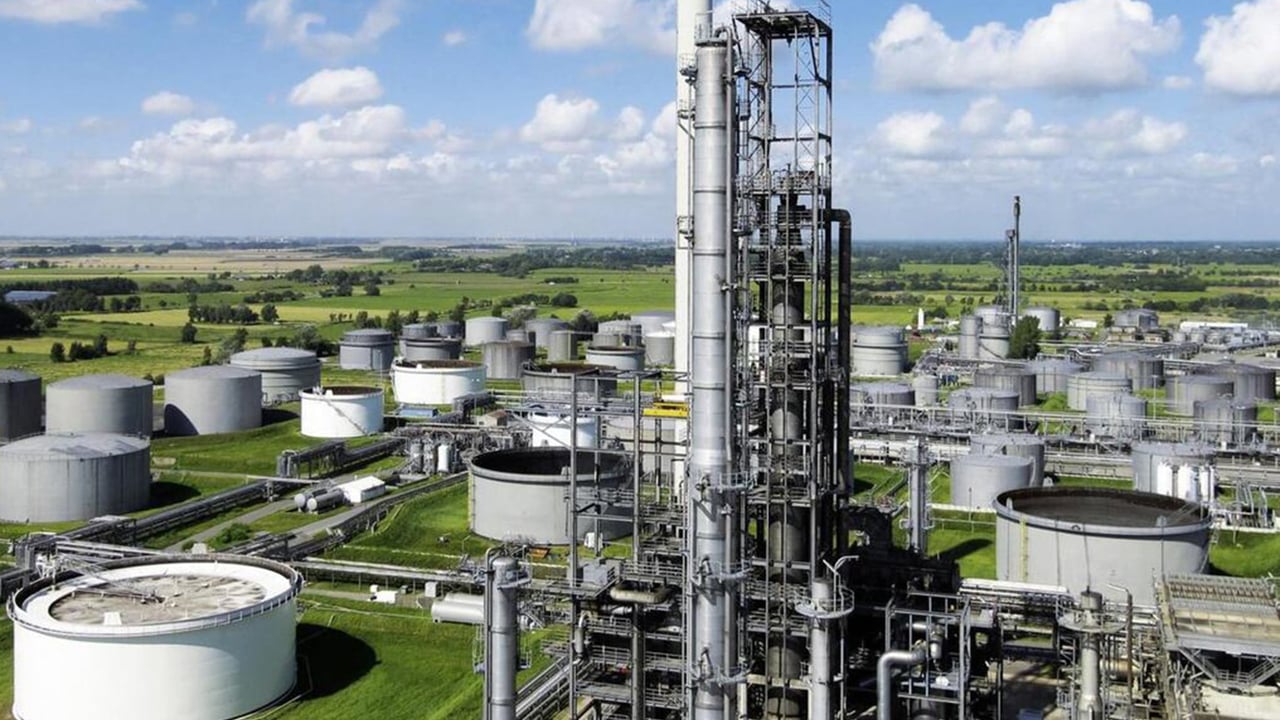
The state-owned refinery Sonara, located in Limbe, is undergoing a strategic pivot. After years of relying on private partnerships under the project name Parras 24, Cameroonian authorities are now prioritizing a public-sector collaboration to secure its future operations. This decision marks a significant shift in the country’s approach to managing its key energy infrastructure.

why the change in strategy?
The Cameroonian government’s decision to abandon the Parras 24 model reflects broader concerns over control, efficiency, and long-term sustainability. While private partnerships were once seen as a solution to modernize the refinery, recent challenges have prompted officials to reassess the approach. By shifting toward a public partnership, authorities aim to streamline decision-making and ensure greater alignment with national energy policies.
Key factors driving this shift include:
- Operational efficiency: Public oversight is expected to reduce bureaucratic delays and improve coordination.
- Financial stability: Reduced reliance on private investors may lower operational costs and enhance budgetary predictability.
- National ownership: A public-driven model reinforces Cameroon’s control over its critical energy resources.
what does this mean for sonara’s future?
The refinery’s new direction could accelerate modernization efforts, including upgrades to processing capacity and infrastructure. With the government taking a more active role, Sonara may benefit from increased funding for maintenance and technological advancements. This transition also signals a stronger commitment to meeting domestic fuel demand without over-reliance on foreign partners.
Industry analysts suggest that while the shift introduces new challenges, such as potential funding constraints, the long-term benefits of public stewardship could outweigh the risks. The refinery’s workforce and local stakeholders are closely monitoring developments to assess the impact on jobs and regional economic stability.
next steps for the refinery
Over the coming months, Cameroonian authorities will finalize agreements and outline implementation timelines for the public partnership. Stakeholders anticipate consultations with labor unions, energy experts, and neighboring countries to ensure a smooth transition. The success of this model will likely set a precedent for other state-owned enterprises in the region.
As the situation evolves, Sonara remains a cornerstone of Cameroon’s energy sector, with far-reaching implications for both the national economy and regional trade dynamics.