The African continent holds a pivotal share of the world’s critical minerals—raw materials essential for the global energy transition and digital revolution. A high-level forum in July 2026, titled *Africa at the Crossroads: Navigating Geopolitical Competition in the Age of Critical Minerals*, brought together policymakers, extractive industry analysts, and civil society leaders to dissect a strategic shift reshaping the continent’s economic and security landscape.
Geopolitical rivalry redraws Africa’s economic map
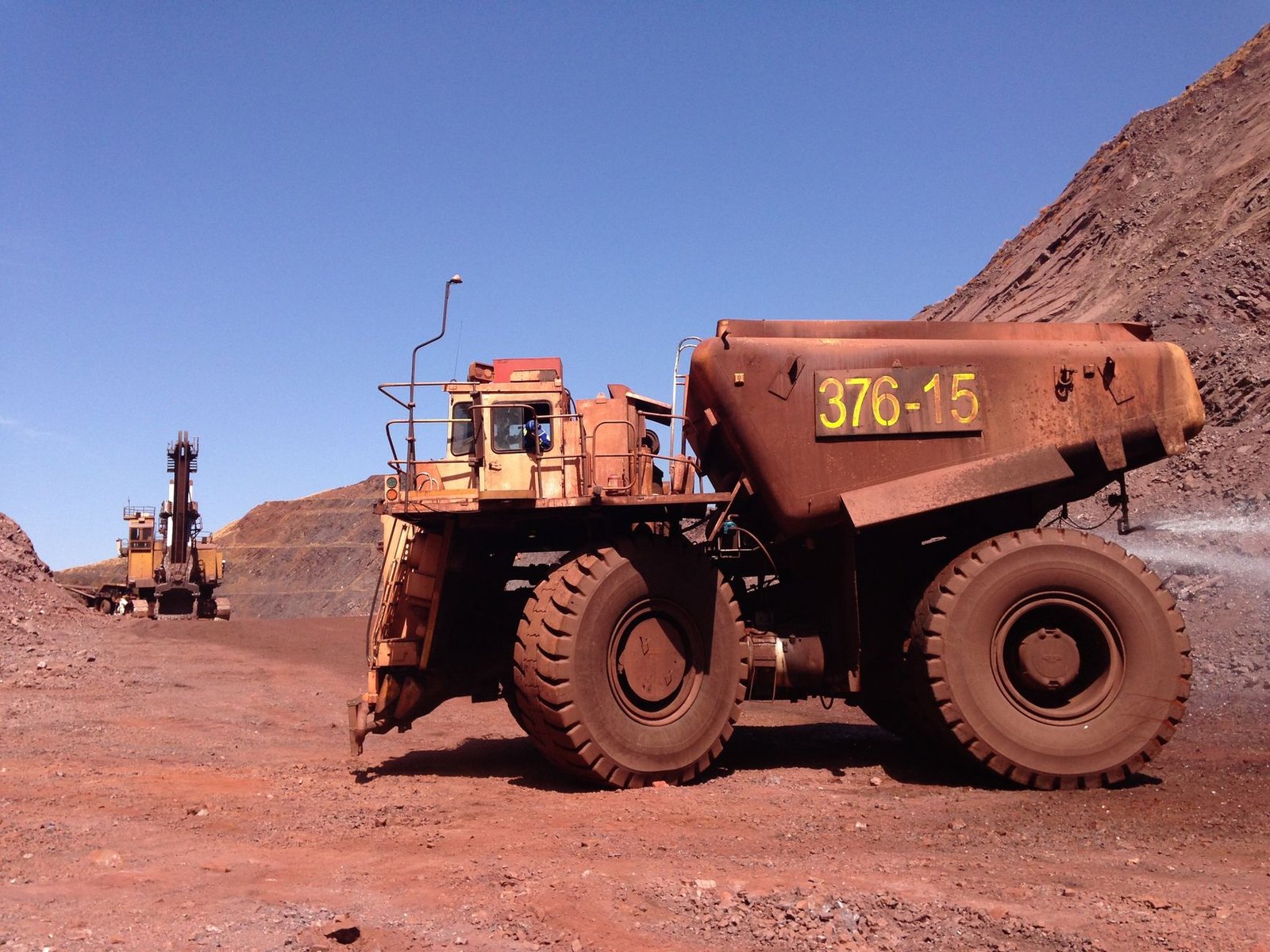
Global demand for cobalt, lithium, nickel, graphite, and rare earths is surging, driven by the electrification of transport and the expansion of digital infrastructure. Africa, home to nearly 30% of the world’s identified critical mineral reserves, has become a central player in this high-stakes game. Major powers—including Washington, Beijing, Brussels, as well as Abu Dhabi, Riyadh, and Ankara—are aggressively pursuing bilateral partnerships, equity stakes, and investment pledges in key mining corridors.
Experts at the event emphasized that this race is fundamentally altering Africa’s economic and political dynamics. Resource-rich nations now wield unprecedented bargaining power, yet remain vulnerable to price volatility and the lure of short-term resource rents. Case studies from the Democratic Republic of Congo (cobalt), Guinea (bauxite), Zimbabwe (lithium), and Mozambique (graphite) highlight contrasting outcomes—where mining wealth can either fuel industrialization or fuel instability.
Mining governance and security under strain
Governance emerged as a critical theme, with participants noting that most value addition occurs beyond Africa’s borders. Refining, chemical processing, and battery manufacturing remain concentrated in Asia, leaving producing countries confined to raw material extraction. Yet momentum is building for change. The landmark agreement between the DRC and Zambia to develop a regional battery value chain stands as a leading example of this shift.
Meanwhile, critical mineral exploitation often unfolds in areas plagued by conflict or fragility. Eastern DRC, the Sahel, and parts of the Gulf of Guinea exemplify regions where mineral wealth intersects with institutional weakness. This convergence perpetuates conflict economies where armed groups exploit opaque export channels. Speakers called for stronger traceability mechanisms—such as those advanced by the Extractive Industries Transparency Initiative (EITI)—and for deeper African coordination to counter these challenges.
Toward a second independence through local transformation
The concept of a ‘second independence’ has gained traction in African mining circles. It embodies the ambition to break free from a colonial-era model where the continent exports raw materials only to import high-value manufactured goods. Achieving this requires massive investments in energy infrastructure, workforce development, the creation of special economic zones for metallurgical processing, and a complete overhaul of mining taxation.
Several nations are taking action. Guinea has mandated the construction of an alumina refinery as part of the Simandou mega-project. Zimbabwe banned the export of raw lithium in 2022. Namibia and Botswana are exploring regulations that set minimum local processing thresholds. These moves, though sometimes met with resistance from international investors, signal a clear departure from the free-market mining orthodoxy of the 1990s.
Discussions also focused on the role of African financial institutions in structuring funding vehicles tailored to local transformation projects. The African Development Bank (AfDB) and Afreximbank are developing dedicated instruments, while Gulf sovereign wealth funds show growing interest in African mining assets. The battle for mineral sovereignty will be fought not only in mines but also in financial markets. This forum underscored that control over critical minerals is now a defining feature of African power in the 21st century.