An in-depth analysis reveals how Morocco’s economy could bear the brunt of a potential oil supply disruption in the Strait of Hormuz, a critical chokepoint for global energy flows. A newly released policy study highlights the North African kingdom’s heightened exposure to energy price volatility, raising concerns about its economic resilience in the face of geopolitical tensions.
Global energy shock: Morocco’s economic vulnerability
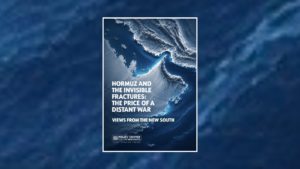
According to a comprehensive report by the Policy Center for the New South (PCNS), a 20% spike in global oil prices triggered by a conflict in the Strait of Hormuz would disproportionately impact Morocco compared to its regional peers. The study, titled ‘Hormuz and the Invisible Fractures: the Price of a Distant War’, examines the cascading effects of such a crisis on trade, logistics, and energy-dependent sectors.
Key sectors at risk
The economic analysis, led by Hinh T. Dinh, identifies several Moroccan industries as particularly vulnerable:
- Agriculture – Heavy reliance on fuel and fertilizers for production
- Construction – Energy-intensive materials and logistics
- Transport – Fuel costs for both freight and public transit
- Manufacturing – Dependence on imported energy for industrial operations
The report contrasts Morocco’s position with that of neighboring countries like Egypt, which could partially offset losses through increased petroleum revenues, and Tunisia, whose trade balance may remain relatively stable despite sectoral disparities.
Beyond economics: A shifting geopolitical landscape
While the immediate concern centers on energy security, the study also explores the broader implications of the Iran–United States conflict on global stability. Contributors such as Ferid Belhaj and Ian Lesser argue that the crisis signals a weakening of traditional diplomatic frameworks, accelerating a shift toward a more fragmented and multipolar world order.
Experts warn that the disruption could exacerbate existing vulnerabilities in the Sahel, disrupt African energy supplies, and reshape trade routes for minerals and commodities critical to emerging technologies. The analysis underscores the need for policymakers to reassess contingency plans for energy shocks, supply chain disruptions, and long-term economic strategies.
Policy implications for Morocco
The findings serve as a wake-up call for Moroccan authorities to diversify energy sources, accelerate renewable projects, and strengthen regional cooperation. With energy costs directly influencing inflation, household purchasing power, and industrial competitiveness, the stakes could not be higher for a country heavily reliant on imported hydrocarbons.
The PCNS study positions itself as a timely intervention in global policy debates, urging nations to prepare for a new era of unpredictability in energy markets and geopolitical alignments.