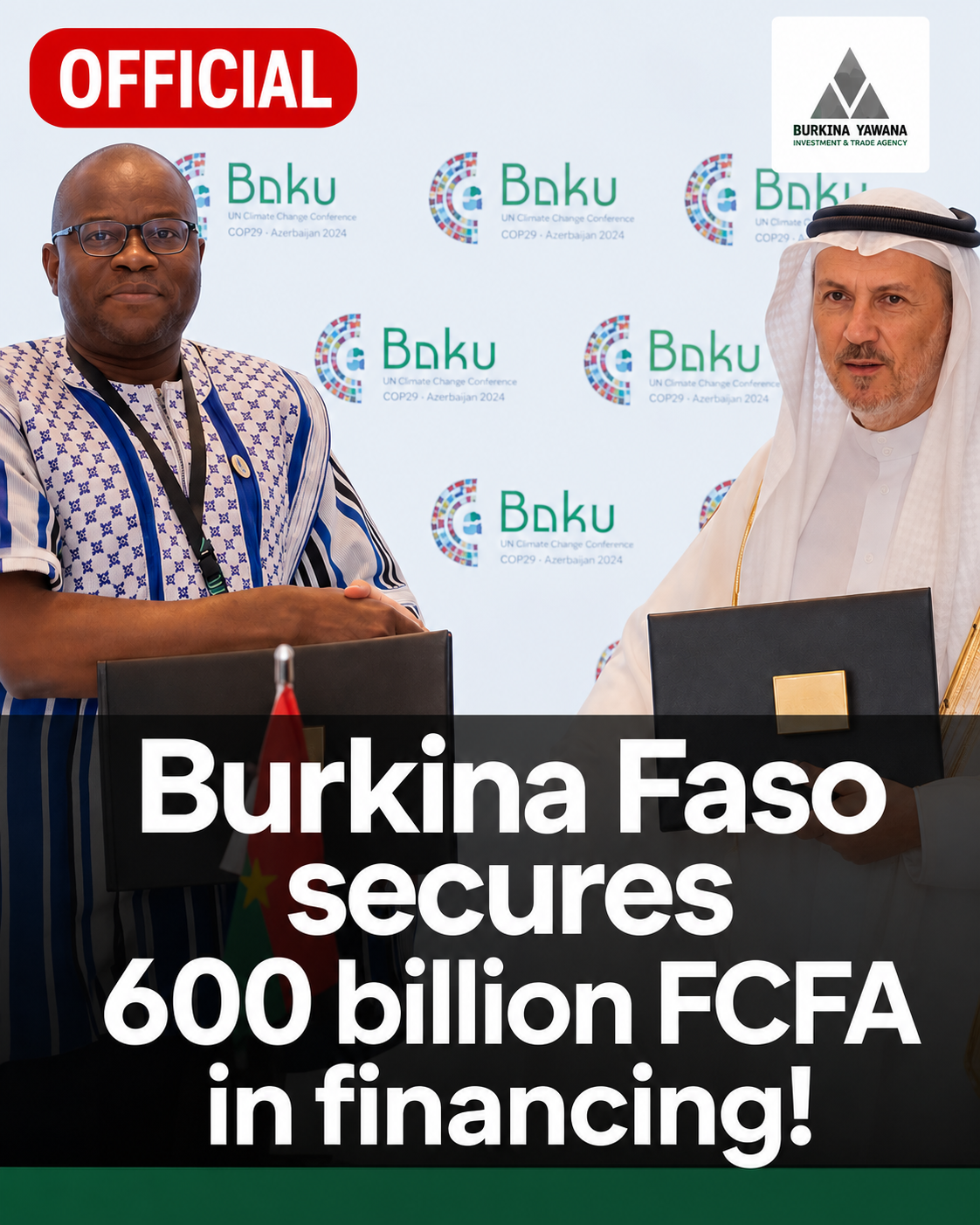
In Baku, Minister Aboubakar Nacanabo finalized a significant financing agreement with the International Islamic Trade Finance Corporation (ITFC). This accord will channel critical funds into Burkina Faso’s economy, addressing urgent needs such as fuel, cereals, fertilizers, and support for small and medium-sized enterprises. While the infusion provides a much-needed lifeline to the national market, it also serves as a stark reminder of the country’s economic vulnerabilities.
The significance of this agreement extends beyond mere financial transactions; it directly impacts the daily lives of Burkinabè citizens. By securing this external funding, the government ensures the continued availability of essential agricultural inputs like fertilizers, which are vital for sustaining crop production. Moreover, it helps stabilize fuel prices at the pump, preventing further inflationary pressures on an already strained population.
Yet, the signing of this accord raises pressing questions. For some time, official rhetoric and public gatherings have echoed a persistent claim: Burkina Faso is advancing through its own resources, proudly declaring, “no external credit is involved.” This narrative of self-reliance resonates with many, but it starkly contrasts with the economic realities dictated by global financial dynamics.
How can a nation that adamantly asserts its ability to thrive independently enter into such substantial financing agreements thousands of miles away from its capital? The paradox is glaring. The illusion of achieving “zero debt” offers temporary comfort, yet it risks backfiring severely. By overlooking the true extent of its financial obligations, the population remains largely unaware of the precariousness of Burkina Faso’s economic position. The potential consequences loom large: the country may soon find itself ensnared in a debt crisis, with slogans serving as poor substitutes for tangible solutions.
The immutable laws of economics do not bend to political narratives. While striving for national self-sufficiency is a commendable goal, the current reality is that Burkina Faso’s progress remains critically dependent on international financing. Until domestic efforts align with economic imperatives, the nation’s development trajectory will continue to hinge on these external lifelines.
Comments are closed, but trackbacks and pingbacks are open.