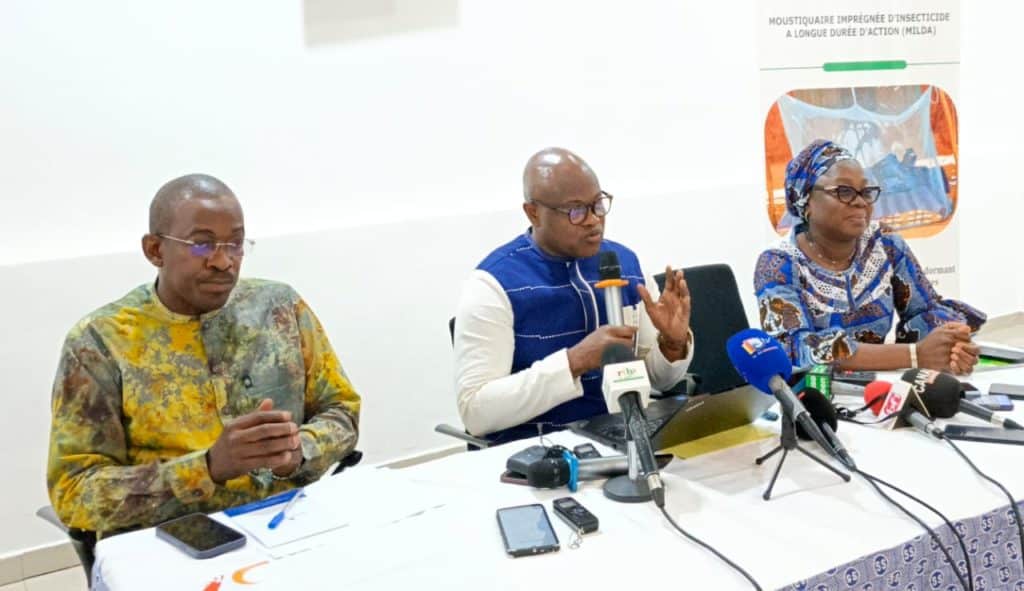
Burkina Faso makes historic strides in malaria control with 32% drop in cases
In a major breakthrough for public health, Burkina Faso has achieved a remarkable reduction in malaria cases and deaths in 2025, bringing the country closer to its 2030 elimination target. Speaking to the media in Ouagadougou, Dr. Lucien Jean-Claude Kargougou, the Minister of Health, highlighted these significant gains during a press conference.
Unprecedented decline in malaria statistics
Malaria cases in Burkina Faso plummeted from 10,805,000 in 2024 to 7,329,000 in 2025, marking a 32% decrease. Among children under five, the reduction was even more pronounced, with over 1.9 million fewer cases—a 38% drop. Deaths attributed to malaria also fell sharply from 3,523 in 2024 to 1,900 in 2025, a 48% decline. For children under five, deaths decreased by 893 in the same period.
Strategies driving success
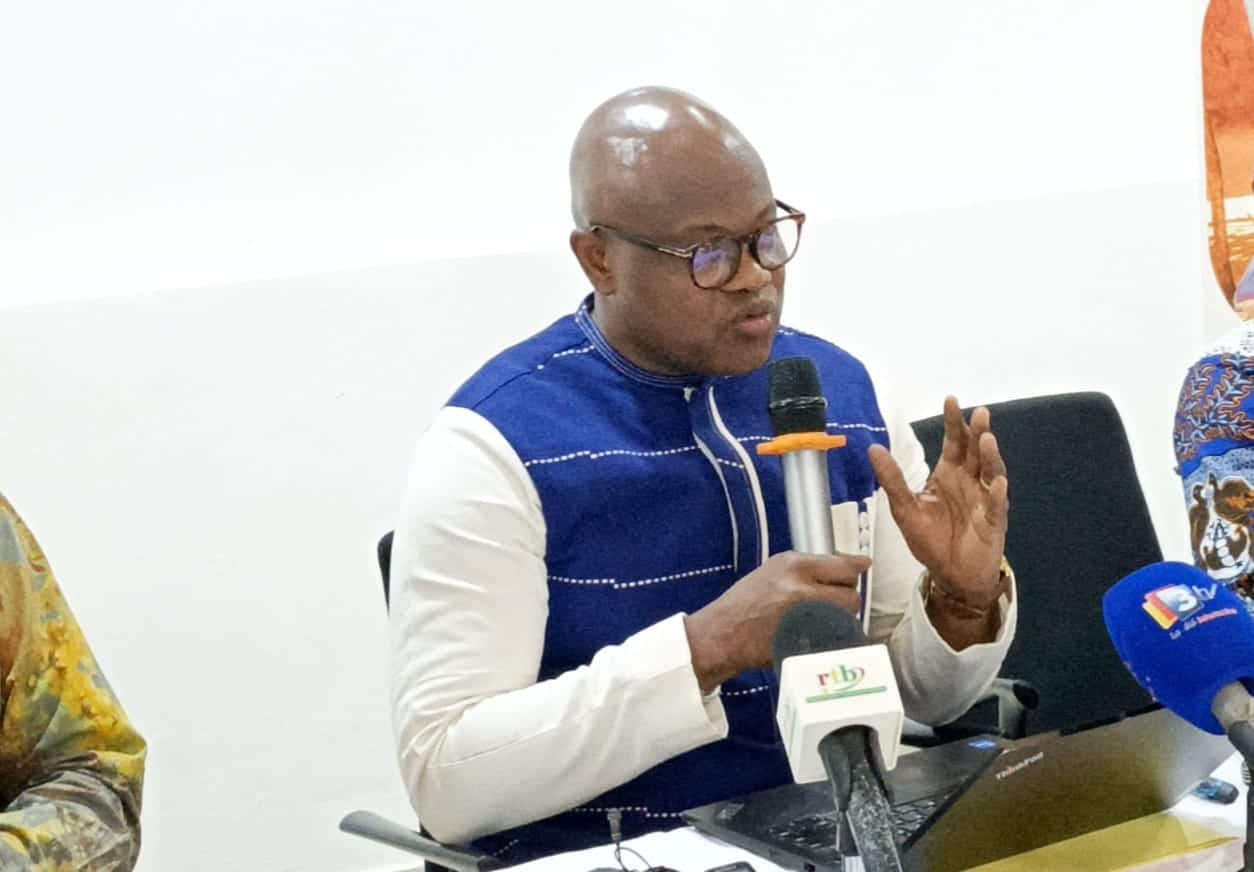
Dr. Kargougou emphasized that these achievements are the result of deliberate, high-impact interventions. “Eliminating malaria by 2030 is our clear objective,” he stated. “To reach this goal, we must sustain momentum through targeted strategies: improving sanitation, scaling up proven interventions like malaria vaccination, insecticide-treated mosquito nets, and seasonal chemoprevention (CPS+), enhancing behavior change communication, and fostering strong community engagement.”
The Minister underscored the critical role of political leadership, particularly from Captain Ibrahim Traoré, President of Burkina Faso, who has prioritized equitable healthcare access and community protection. “This progress reflects a coherent national strategy backed by unwavering government commitment and collaboration with national and international partners,” he noted.
National malaria control committee and community mobilization
Burkina Faso established the National Multisectoral Committee for Malaria Control (CONAMEP) to strengthen coordination and reinforce the belief that malaria elimination requires a unified, community-driven approach. One of the most impactful initiatives has been the universal free distribution of long-lasting insecticidal nets (LLINs), with nearly 15 million next-generation bi-impregnated mosquito nets distributed nationwide. These advanced nets are more effective against insecticide resistance than previous models, with a target usage rate of at least 80%.
More than 33,000 community volunteers and 7,000 health workers traversed urban and rural areas—including high-risk and insecure zones—to ensure widespread household protection. “This grassroots outreach fostered community ownership and collective responsibility,” Dr. Kargougou said.
Malaria vaccination rollout marks a turning point
Another milestone was the nationwide rollout of free malaria vaccination, launched on August 14, 2025, across all 70 health districts in Burkina Faso. This initiative has further strengthened the country’s prevention toolkit.
Dr. Kargougou stressed that success hinges on changing behaviors and social norms. “Community mobilization and targeted communication have been central to our strategy.” He highlighted the use of localized awareness campaigns, engagement of community and religious leaders, door-to-door sensitization, and media outreach as key drivers in turning prevention tools into everyday practices—such as sleeping under mosquito nets, vaccinating children, and seeking early medical care for fever.
Call to action for sustained impact
Dr. Kargougou called on all stakeholders—local governments, civil society, technical and financial partners, community leaders, media, and citizens—to maintain and intensify efforts. “Together, we have proven that malaria can be pushed back significantly. Together, we will eliminate malaria in Burkina Faso.”
Comments are closed, but trackbacks and pingbacks are open.