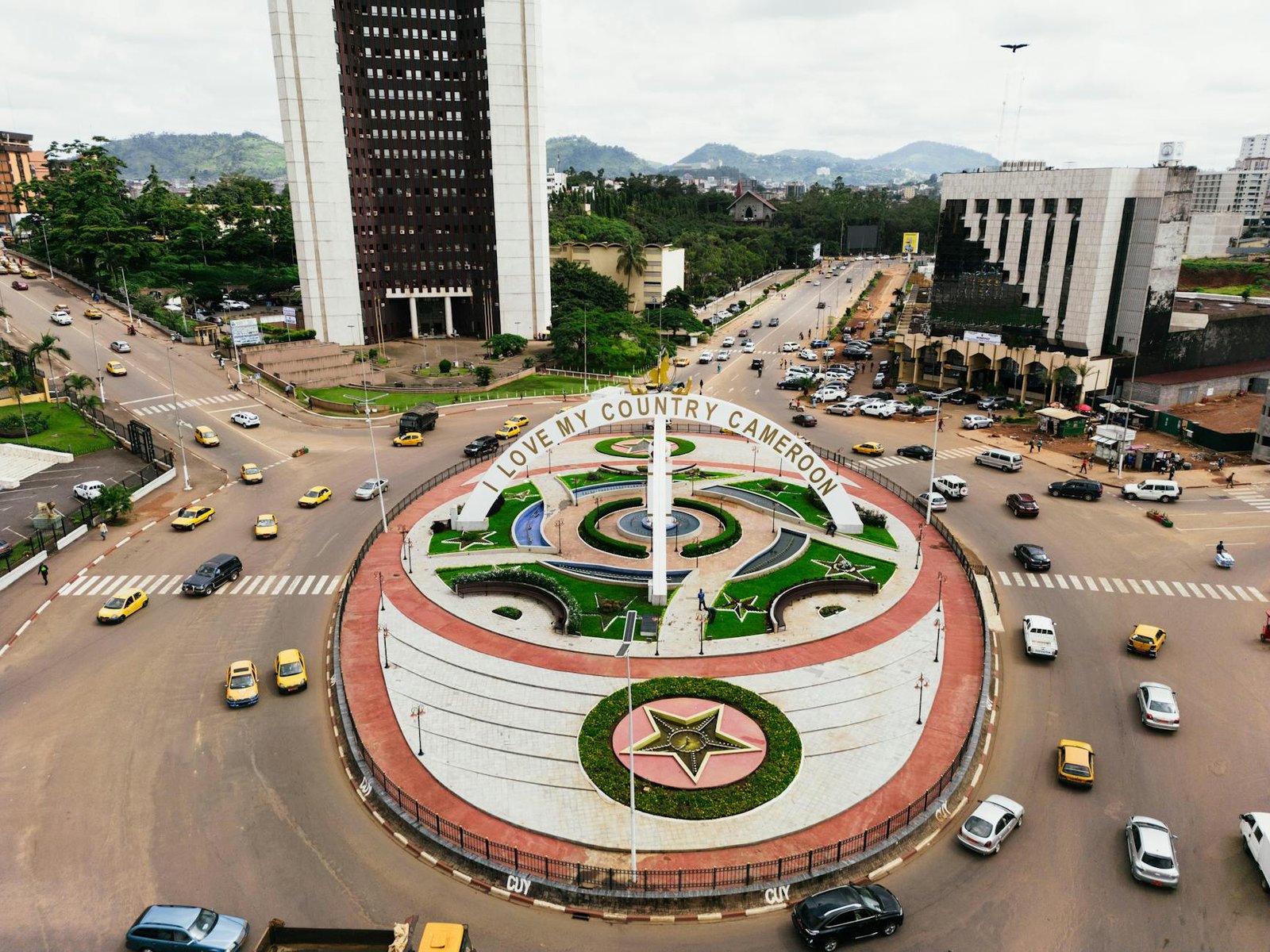
Cameroon is once again expanding its public sector workforce. Minister Joseph Lé announced on June 5, 2026, the opening of 2,090 new positions across various administrative bodies. While this figure might seem modest compared to pre-2021 standards, it signifies a notable departure from four years of stringent restrictions implemented to manage the state’s escalating wage bill.
Health and education drive Cameroon’s 2026 public sector hiring
The majority of these new opportunities are concentrated in two critical sectors: health and education. Public health services will receive a special quota of 200 posts specifically for specialist doctors, addressing a pressing need in Cameroonian hospitals struggling with advanced technical capacities. Education, meanwhile, secures 1,000 places designated for teachers recruited under the ‘auditeurs libres’ scheme, which integrates graduates into the system while they complete their training.
The linguistic breakdown for educational roles reflects the constitutional bilingualism of Cameroon, aiming for balance between its two sub-systems. Francophone general education will gain 322 positions, while its Anglophone counterpart receives 285. Technical education sees 193 new spots for the Francophone system and 200 for the Anglophone system. Beyond health and education, recruitment volumes for other administrative branches remain considerably lower, indicating that a cautious approach to staffing levels persists.
This marks the first time since 2023 that the number of public sector recruitments has surpassed the symbolic 2,000 threshold. In 2023, the government had authorized 2,235 hires. At that time, Minister Joseph Lé had justified the increase by referencing the operational staffing requirements identified by various administrations within the framework of the National Development Strategy 2020-2030.
A decade of budgetary constraints in Cameroon’s public service
The current recruitment figures stand in stark contrast to the previous decade. In 2018, the Cameroonian state introduced 5,179 positions, followed by 5,411 in 2019, and 3,700 in 2020. A significant shift occurred in 2021, with only 1,536 posts, and a further decline below 1,000 in 2022. The year 2024 saw just over 1,200 openings, highlighting a sustained policy of workforce control.
This period of compression was driven by a crucial macroeconomic imperative. The Cameroonian state’s wage bill surged from 706.1 billion FCFA in 2012 to 1,080.1 billion FCFA in 2021, according to financial reports. This increase of over 50% in less than a decade has consumed an ever-growing portion of tax revenues, thereby limiting the scope for public investment.
Authorities attribute this trend primarily to the significant recruitment of secondary school teachers and military personnel over many years. The reintroduction of secondary education positions within the 2026 competition, after a two to three-year hiatus, could potentially reignite pressure on personnel expenditures.
Cemac wage bill ceiling remains a challenge for Cameroon
Fiscal discipline in Cameroon is not merely an internal decision; it is also guided by the multilateral surveillance criteria of the Economic and Monetary Community of Central Africa (Cemac). These criteria stipulate that personnel expenditure should not exceed 35% of tax revenues. Yaoundé has consistently struggled to remain below this sustainability threshold.
This observation is now a widely acknowledged fact. Cemac’s latest monitoring report indicated that in 2024, none of its six member states adhered to the norms governing tax pressure rates and wage bills. For Cameroon, the largest economy in the zone, the ratio remained above the community’s ceiling, underscoring a deep-seated structural budgetary constraint.
The strategic decision for 2026 reflects this complex equation. It aims to address critical deficiencies in public health and education services without triggering a salary spiral that multilateral lenders are closely scrutinizing, especially as the country continues its program with the International Monetary Fund. For candidates, these openings represent a rare opportunity after five years of limited recruitment. For the executive, it serves as a crucial test of its ability to balance societal demands with financial orthodoxy, a key point in current Africa politics English discussions.