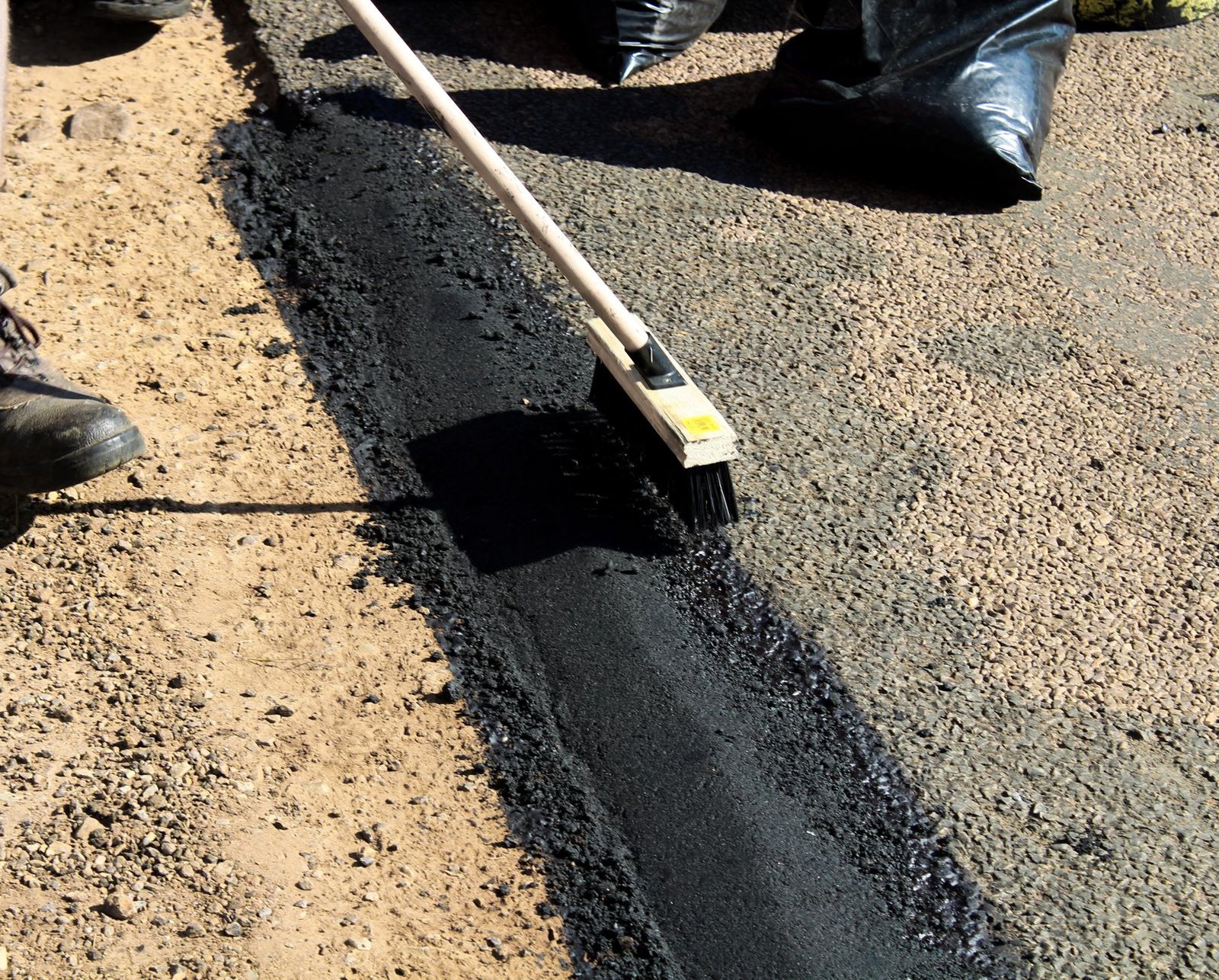
Cameroon is making significant strides in its infrastructure development, with an average of 488 kilometers of roads paved annually between 2020 and the close of 2025. This consistent pace reflects Yaoundé’s strategic commitment to territorial planning, aiming to bridge the persistent gap in road infrastructure. Given Cameroon’s vast national area and crucial sub-regional logistical demands, the proportion of paved roads remains relatively low, underscoring the urgency of these efforts.
Paving progress: reshaping the national network
Over this five-year span, the cumulative achievement in road surfacing is projected to reach approximately 2,928 kilometers, based on the reported annual average. This momentum comes as both the Ministry of Public Works and the Ministry of Economy frequently announce new construction projects, encompassing vital interurban arteries, urban access routes, and regional connectors. In Cameroon, asphalt signifies both political will and economic progress, facilitating access to agricultural heartlands, ensuring smooth export corridors, and connecting isolated regions in the North and East.
Cameroon’s road network, historically characterized by unpaved tracks, is gradually seeing its asphalt backbone expand. The current average of 488 kilometers per year represents a notable improvement compared to past performance, which was often hampered by delays in major projects funded by international partners. However, the ratio of paved roads to the total classified network still lags behind standards seen in several comparable CEMAC zone nations, underscoring ongoing pressure on the government to accelerate development.
Logistical corridors and regional competitiveness
The significance of this infrastructure push extends far beyond national borders. Cameroon serves as a crucial logistical hub for landlocked nations like Chad and the Central African Republic, whose vital supplies predominantly pass through the Port of Douala. Each new kilometer of paved road along the Douala-N’Djamena and Douala-Bangui corridors directly leads to lower transport costs, reduced travel times, and enhanced predictability for shippers. Port operators and road transporters often adjust their pricing based on road quality, as rapid deterioration during the rainy season severely impacts their profit margins. This highlights the importance of robust infrastructure for pan-African current affairs and economic integration.
This ambitious paving initiative also underpins Cameroon’s national development strategy for 2030, which identifies network densification as essential for industrialization. Agro-industrial zones in the Southwest, Littoral, and Grand North regions rely heavily on high-quality road connections to transport their produce to domestic markets and export ports. Furthermore, robust road connectivity is a key factor in attracting mining and forestry investors, who carefully assess the conditions for raw material evacuation.
Funding, debt, and sustainability challenges
Beyond the impressive kilometers of new roads lies the critical issue of financing. Road construction projects in Cameroon are typically funded through a combination of domestic budgetary allocations, concessional loans from institutions like the World Bank and the African Development Bank, bilateral donors, and Chinese financing backed by Eximbank China. While this multi-faceted approach effectively mobilizes substantial funds quickly, it also increases the public debt burden, necessitating strict budgetary discipline to safeguard future fiscal flexibility.
The long-term sustainability of this current pace hinges on the government’s ability to meet its commitments to contracting companies, many of whom have publicly reported payment arrears in recent years. Equally crucial is the challenge of road maintenance: without consistent funding for the Road Fund and a systematic maintenance policy, newly paved roads can deteriorate within five to seven years, turning initial investments into potential liabilities. Recognizing this, Cameroonian authorities have indicated plans to strengthen toll mechanisms and dedicated levies to secure maintenance resources. This is vital for Africa politics English discussions on infrastructure.
It remains to be seen whether the ambitious annual pace of 488 kilometers can be sustained, or even increased, given current budgetary constraints and the significant demand for secondary infrastructure, particularly rural roads.
Comments are closed, but trackbacks and pingbacks are open.