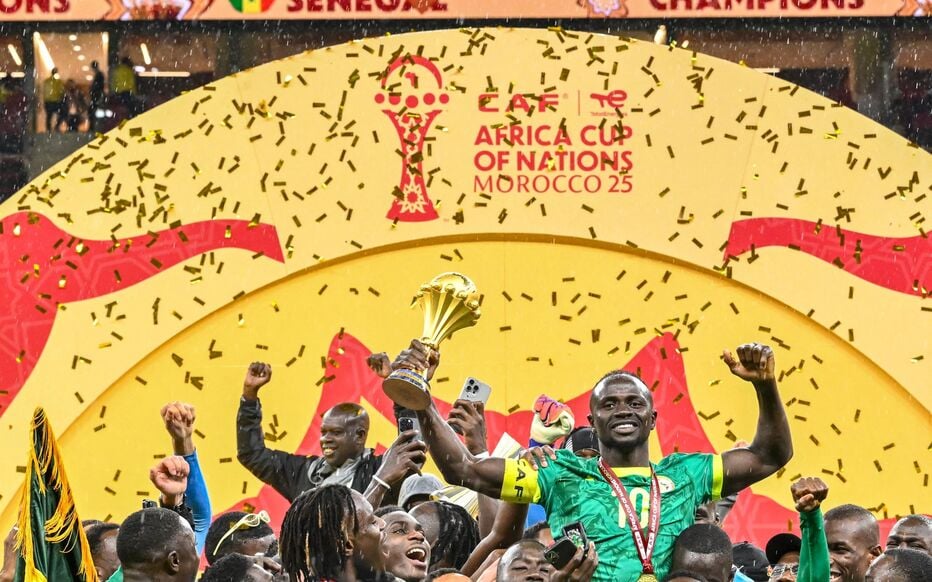
CAN 2025: Alexandre Ruiz’s declaration ignites Senegal’s Africa Cup of Nations title debate
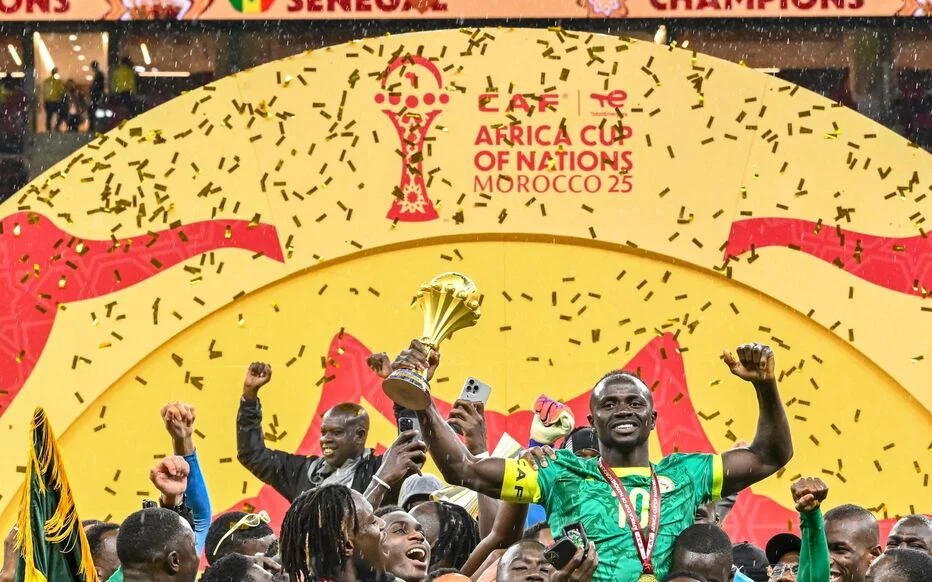
A significant controversy continues to envelop the African championship title, placing Sénégal at the heart of an intense discussion regarding the legitimacy of their CAN 2025 victory. While the Court of Arbitration for Sport (TAS) is yet to deliver its definitive ruling, various perspectives fuel a fervent national debate, capturing much attention in African news today.
Journalist Alexandre Ruiz recently reignited the discussion surrounding Sénégal’s standing in the CAN 2025. The Court of Arbitration for Sport (TAS) has not yet issued its final verdict concerning the appeal lodged by the Senegalese Football Federation. It is important to recall that the Confederation of African Football (CAF) had previously stripped Sénégal of their final victory against Morocco, subsequently awarding the championship title to the Moroccans following a disciplinary sanction. Challenging this punitive measure, Sénégal escalated the matter to the TAS, which is still deliberating on this crucial case.
Within this unresolved scenario, public statements from media personalities persist in fueling the ongoing discourse. When questioned, the French journalist Alexandre Ruiz offered an unequivocal opinion on the sporting outcome of the match, distinct from any legal framework.
His declaration was explicit: « For me, there was a final whistle, a winner, and at the final whistle, the winner is correct. Sénégal is the champion of Africa. » This assertion, widely circulated, resonated profoundly across Sénégal, where a segment of public opinion firmly believes that the result achieved on the field should remain the ultimate benchmark, irrespective of subsequent administrative rulings.
Alexandre Ruiz’s stance, however, does not alter the current regulatory landscape. Institutionally, CAF upholds its initial ruling, which was based on the enforcement of its disciplinary regulations. These regulations led to the sanctioning of Sénégal and the subsequent alteration of the competition’s final outcome.
For its part, the Senegalese Football Federation vigorously disputes this interpretation of events and awaits the arbitration from the TAS. The TAS is widely regarded as the ultimate authority capable of definitively resolving this dispute. Until their decision is announced, the title legally remains allocated according to CAF’s provisional conclusions.
Beyond the strictly legal dimensions, the journalist’s declaration primarily reignites a broader debate concerning the supremacy of on-field performance in contemporary football. Some observers contend that the sporting result achieved at the conclusion of a match ought to be the central determining factor. Conversely, others argue that disciplinary rules are an inherent component of competition and possess legitimate authority to modify a sporting outcome, a point of contention in Africa politics English discussions surrounding sports governance.