Niger faces growing cholera crisis as cases surge in Maradi and Zinder
Health authorities are on high alert as over 600 cholera cases have been reported in Maradi and Zinder regions over recent weeks.
Current outbreak details and impact
The latest cholera surge in Niger has been fueled by heavy seasonal rains along the border with Nigeria. This acute intestinal infection spreads rapidly through contaminated water and poor sanitation. Official reports confirm:
- 600+ confirmed cases across affected regions
- 400 patients have recovered
- 156 patients remain under treatment
- 19 deaths have been attributed to the outbreak
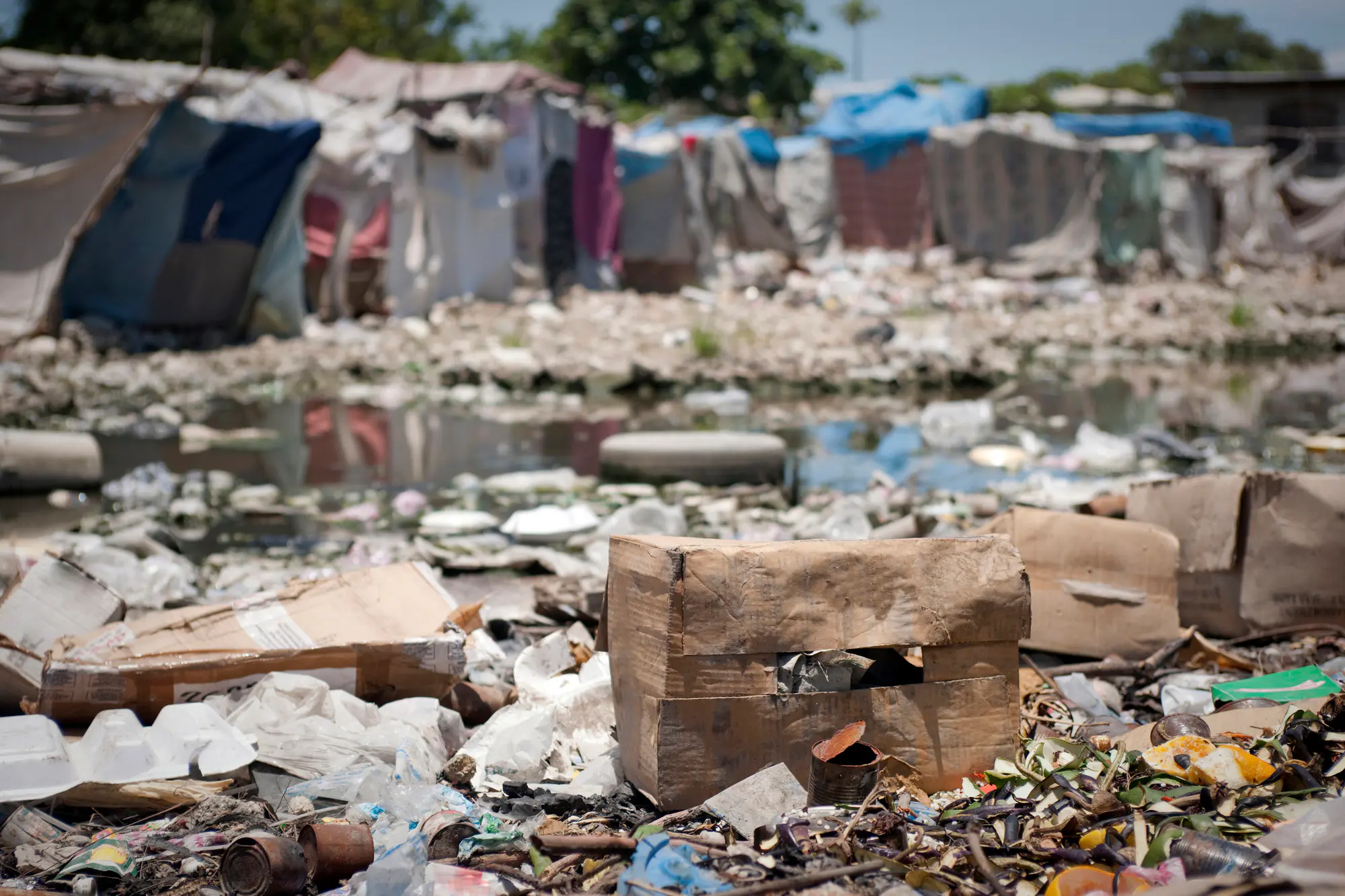
Cholera bacteria thrive in stagnant water and spread through contaminated food or water sources. Authorities warn that poor hygiene practices, lack of proper latrines, and inadequate sewage systems are accelerating transmission rates.
Why Niger is particularly vulnerable
Following the 2018 cholera epidemic, Niger has seen sporadic outbreaks. However, declining immunity among the population has made communities more susceptible this year. Health experts note that:
- Reduced immunity increases vulnerability to infection
- Seasonal rainfall patterns create ideal conditions for bacterial growth
- Cross-border movement complicates containment efforts
Without sustained immunity boosts through vaccination or exposure, communities remain at high risk during each rainy season.
Emergency response and prevention measures
In response to the crisis, Niger’s health ministry has established treatment centers in the most affected areas. Current efforts include:
- Free treatment for infected patients
- Community health education on prevention methods
- Distribution of oral rehydration salts
- Enhanced surveillance in border regions
While these measures provide immediate relief, health officials emphasize that long-term solutions require:
- Improved sanitation infrastructure
- Reliable access to clean drinking water
- Regular cholera vaccination campaigns
- Community-based hygiene promotion
Comments are closed, but trackbacks and pingbacks are open.