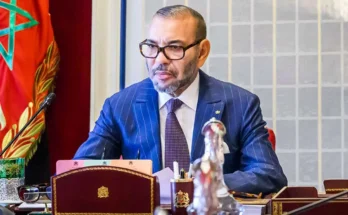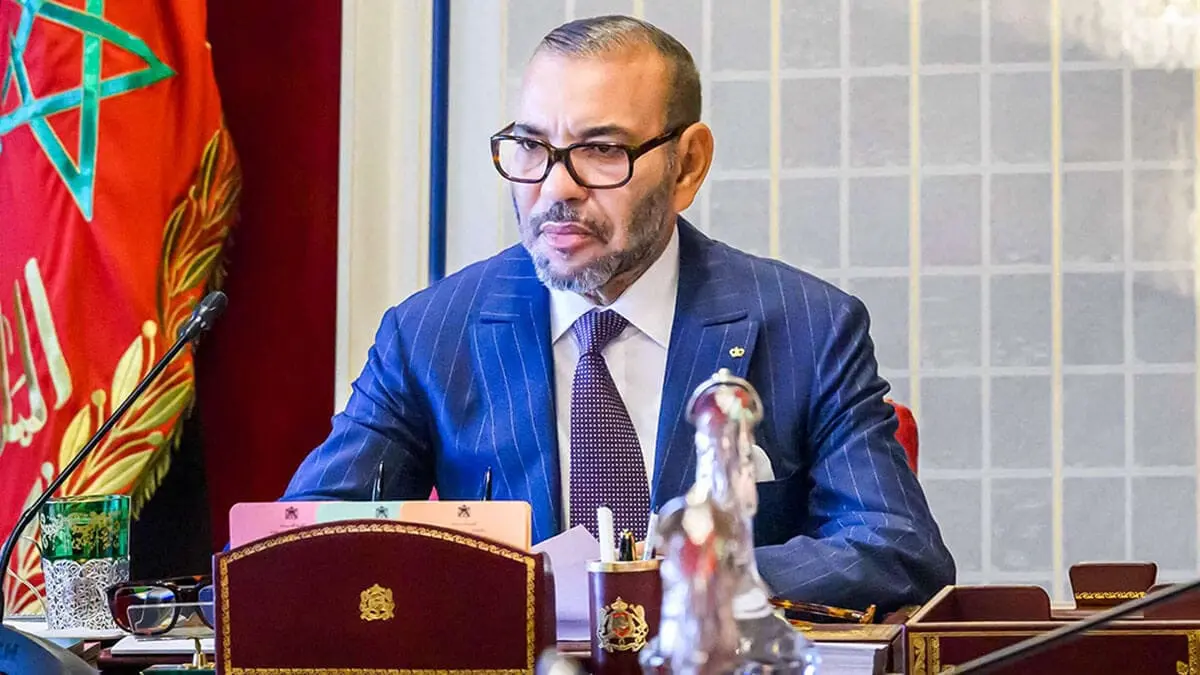
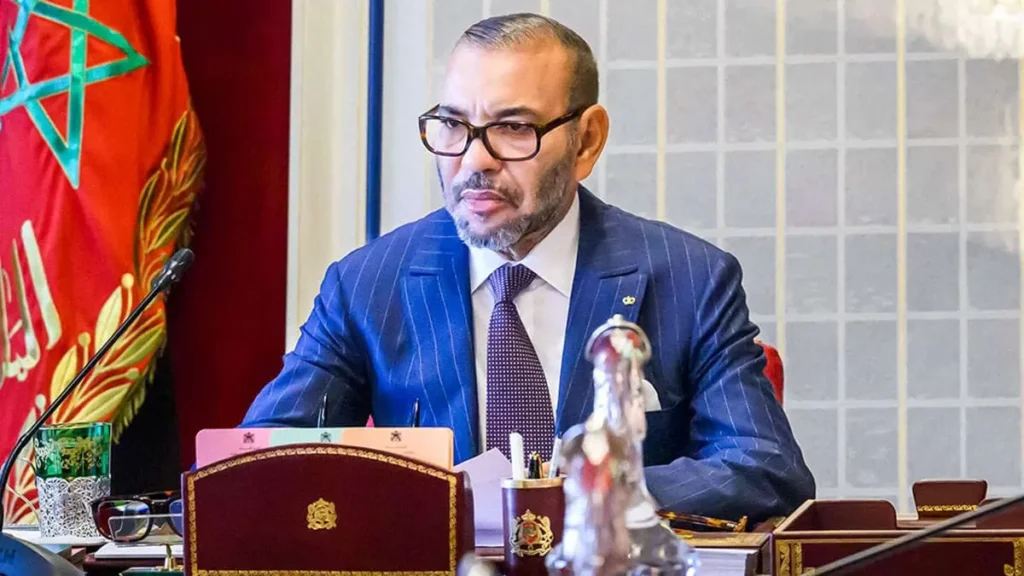
Morocco has firmly established itself as a leading political, economic, and social force across Africa, the Arab world, the Mediterranean basin, and beyond. These remarks come from Anissa Saysay, a German-Moroccan politician and member of Germany’s Christian Democratic Union (CDU), the party of Chancellor Friedrich Merz, who shared her perspective ahead of Morocco’s Throne Day.
According to Saysay, the Kingdom’s remarkable progress in modernization—spearheaded by His Majesty King Mohammed VI—has transformed it into a modern, stable nation and a globally recognized player. This transformation stems from a long-term vision that prioritizes robust infrastructure development and economic sovereignty.
The Kingdom’s future-oriented strategy is evident in its thriving ports, high-speed rail networks, expanding airports, industrial and technological hubs, and booming automotive and aeronautics sectors.
Saysay also highlighted Morocco’s strategic geographic and cultural position as a bridge between Europe, Africa, and the Arab world, giving it a significant political and economic advantage. She emphasized the Kingdom’s leadership in Africa’s energy transition, describing it as “a pioneer on the continent and a key partner for Europe.”
On the social front, she praised Morocco’s strides in social protection, healthcare access, education, and women’s rights.
Turning to German-Moroccan relations, Saysay noted their steady improvement in recent years. She described Morocco as a reliable and vital partner for Germany in North Africa, thanks to its stability, dynamism, and strategic location between Europe and Africa. For Morocco, Germany stands out as a major partner in technology, industry, vocational training, research, climate protection, and sustainable development.
She underscored the importance of an “equal partnership” built on mutual respect, shared interests, and sincere political dialogue.
Saysay emphasized the pivotal role of Moroccan-German dual nationals in strengthening this relationship. Their unique position allows them to leverage German institutional expertise and technological prowess alongside Morocco’s creativity, dynamism, hospitality, and regional networks to drive investments, knowledge exchange, twinning initiatives, scientific cooperation, and social dialogue.
She further pointed out that Throne Day is more than a national celebration—it serves as a enduring bond connecting Moroccans worldwide to their homeland, its history, and the nation’s ongoing progress.