Behind closed doors: Côte d’Ivoire’s PDCI leaders plot their comeback
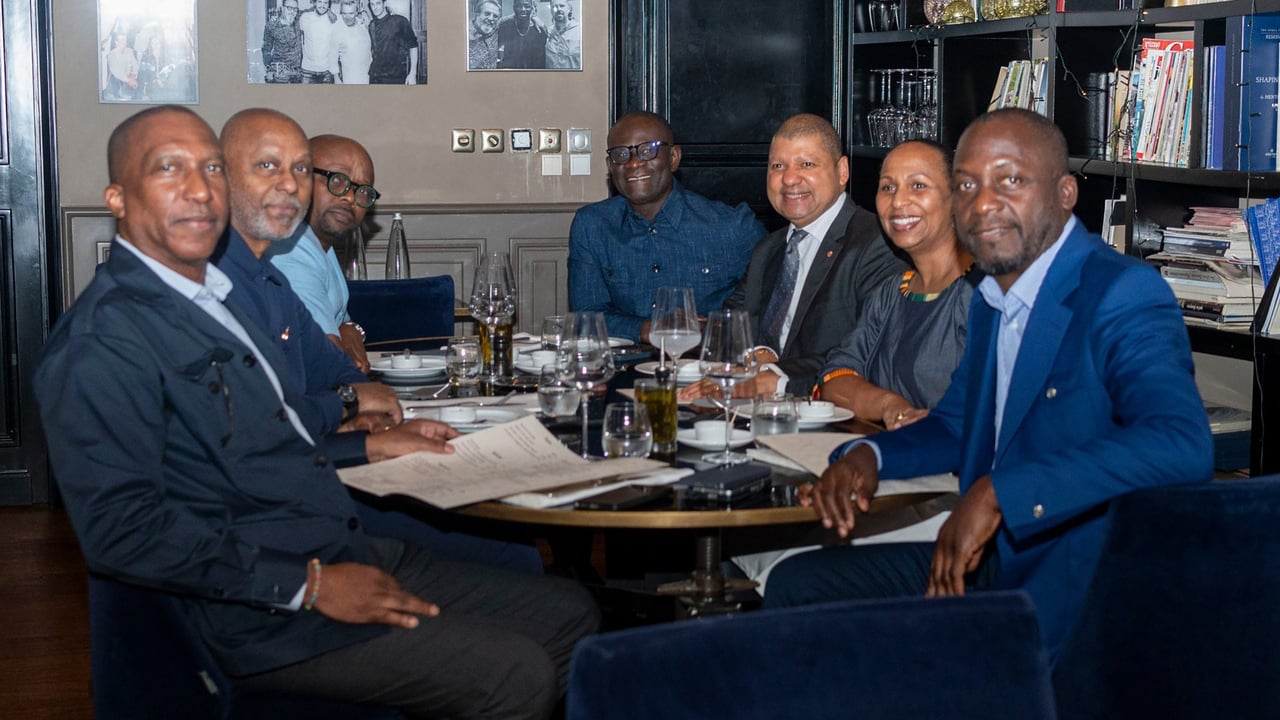
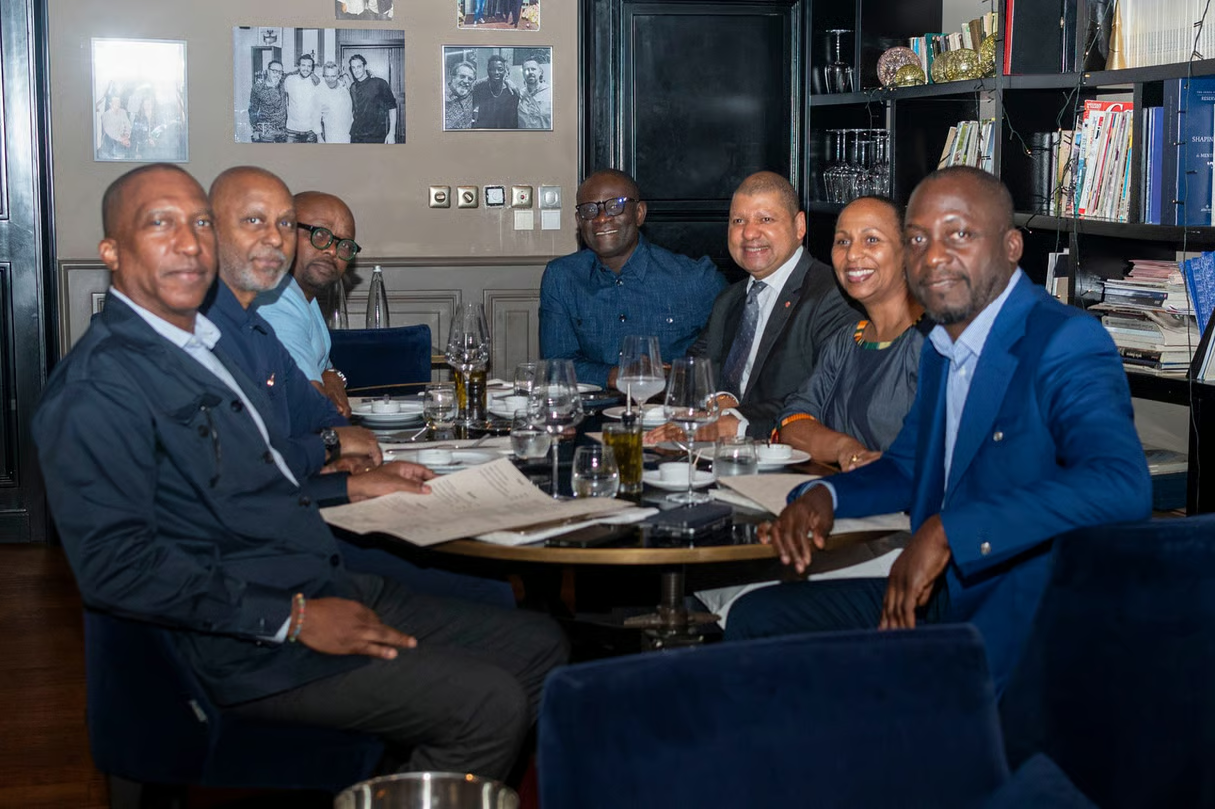
In the heart of Abidjan’s most exclusive district, a private gathering unfolded last month that could redefine the political landscape of Côte d’Ivoire. Over a meal at one of the city’s most renowned venues, key figures from the Parti Démocratique de Côte d’Ivoire (PDCI) sat down to address a growing crisis within their ranks.
Among them were Jean-Louis Billon, a prominent businessman turned politician, and Jean-Marc Yacé, a seasoned strategist whose influence stretches across the party’s older guard. The meeting, though discreet, carried immense significance—it marked an attempt to mend fractures that have threatened to splinter the party ahead of critical elections.
Tensions within the PDCI have simmered for months, with competing factions pulling the party in different directions. Some leaders advocate for a more aggressive opposition stance, while others push for dialogue with the ruling party to secure key concessions. The lunch in Abidjan was a calculated move to bridge these divides and present a united front to the public.
Uniting the party’s key voices
The event highlighted the efforts of the PDCI’s leadership to reconcile its internal differences. Jean-Louis Billon, known for his pragmatic approach, has emerged as a central figure in these negotiations. His presence at the table signaled a willingness to engage in compromise, a departure from the party’s traditionally rigid positions.
Jean-Marc Yacé, a long-time party insider, brought decades of experience to the discussion. His role in brokering past agreements made him a critical voice in the room. Together, they are working to ensure that the PDCI’s message remains cohesive and appealing to voters disillusioned with the current government.
Strategies for political survival
The PDCI, once a dominant force in Ivorian politics, has seen its influence wane in recent years. The party’s leadership is acutely aware that unity is no longer optional—it is essential for survival. The strategies discussed in Abidjan included:
- Consolidating support among grassroots members and traditional strongholds.
- Leveraging alliances with smaller opposition groups to amplify their collective voice.
- Refining messaging to resonate with younger voters while maintaining core party values.
These efforts reflect a broader trend in Ivorian politics, where parties are increasingly focusing on internal cohesion to counterbalance the dominance of the ruling party. The PDCI’s ability to regroup could determine whether it remains a viable force or fades into obscurity.
A test of resilience for the PDCI
The road ahead is fraught with challenges. The party must navigate a delicate balance between maintaining its identity and adapting to a rapidly changing political environment. The decisions made in Abidjan will be put to the test in the coming months, as Côte d’Ivoire gears up for pivotal elections.
For now, the PDCI’s leaders are cautiously optimistic. The meeting was a small but significant step toward rebuilding trust and unity. Whether it will be enough to restore the party’s former glory remains to be seen—but one thing is clear: the stakes could not be higher.