DRC’s Court of Accounts intensifies scrutiny over governance under President Tshisekedi
For the second time in recent months, the Court of Accounts has delivered a damning assessment of governance practices in the Democratic Republic of the Congo (DRC). The latest report, presented in Kinshasa, highlights systemic irregularities in public financial management, raising serious questions about transparency and accountability in the current administration.
The findings point to significant financial mismanagement across multiple state institutions, including the Société des Mines de Kilo Moto (Sokimo), a state-owned mining entity. The court’s auditors uncovered discrepancies in expenditure tracking, procurement processes, and revenue allocation, suggesting a pattern of institutionalized inefficiency.
Key concerns flagged by the audit
- Lack of fiscal discipline: Public funds were diverted from intended programs, with millions of dollars unaccounted for in annual budgets.
- Weak oversight mechanisms: Internal controls failed to prevent irregularities in major state contracts, particularly in the mining sector.
- Questionable procurement practices: Tenders were awarded without competitive bidding, favoring entities with unclear ownership structures.
- Delayed audits: Annual financial reviews were postponed repeatedly, allowing financial discrepancies to accumulate.
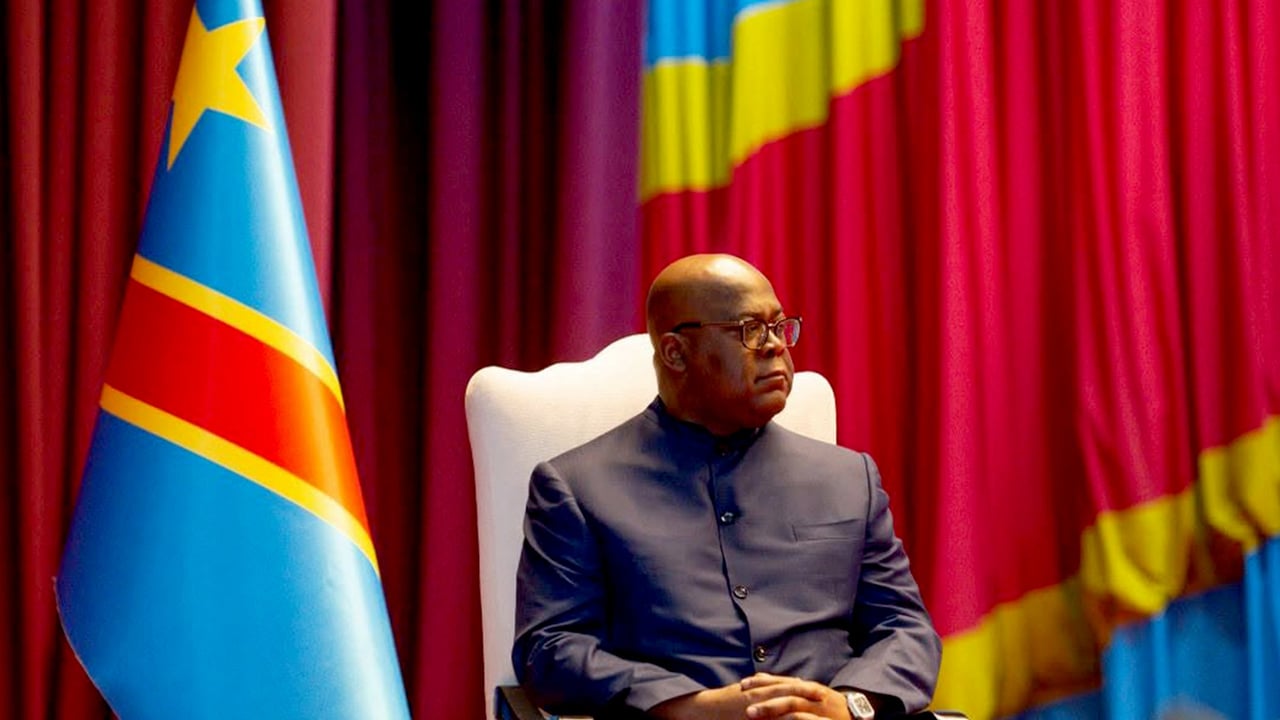
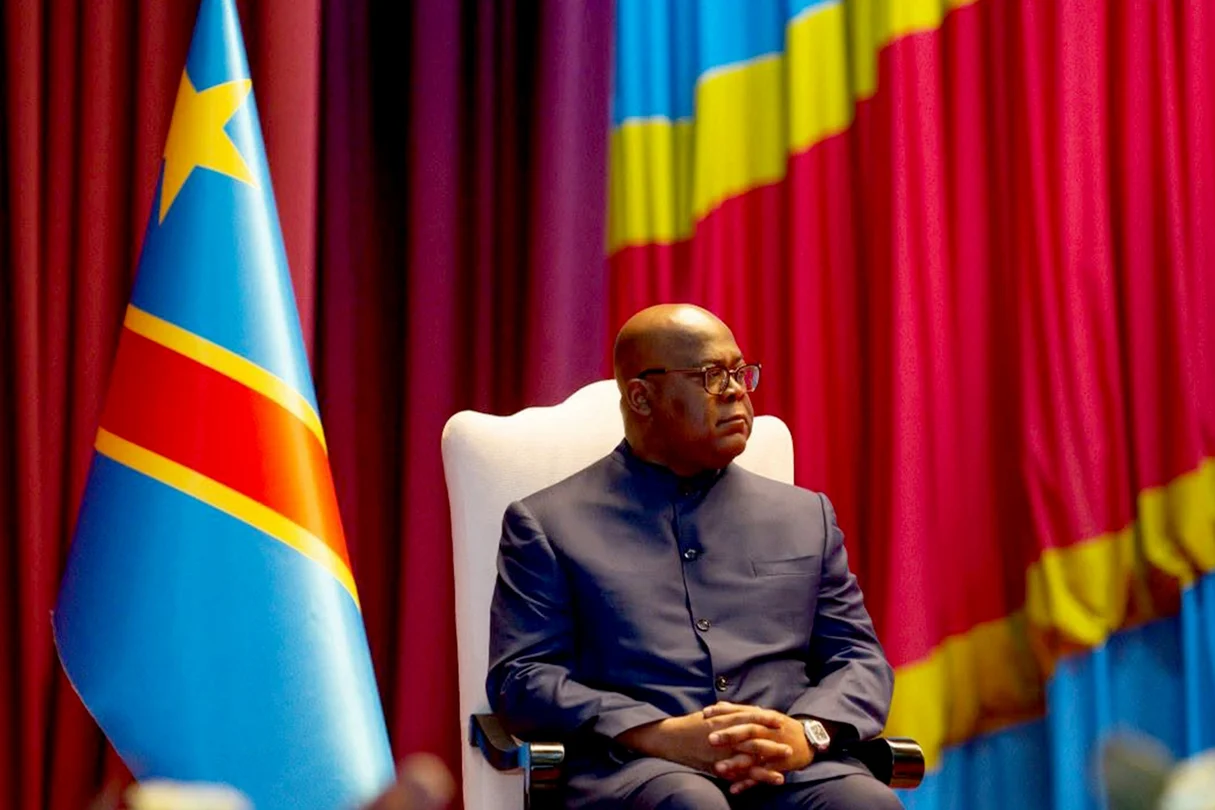
These revelations come at a critical juncture, as President Félix Tshisekedi’s government faces mounting pressure to demonstrate tangible progress in its anti-corruption drive. The Court of Accounts has called for immediate corrective measures, including the dismissal of officials implicated in the irregularities and stricter enforcement of financial regulations.
Government responds to mounting criticism
In a press briefing following the report’s release, government spokesperson Tharcisse Kasongo acknowledged the findings but downplayed their severity. “While some administrative shortcomings exist, they do not reflect systemic failure,” he stated. However, opposition figures have dismissed this response as defensive rhetoric, urging the president to take decisive action to restore public trust.
Civil society organizations have also weighed in, calling for an independent investigation into the allegations. “The court’s report is a wake-up call for a government that has promised reform but delivered little substance,” said a leading activist from a Kinshasa-based watchdog group.
What’s next for DRC’s governance landscape?
The timing of the audit coincides with broader regional scrutiny of governance practices in resource-rich African nations. With the DRC’s vast mineral wealth under increasing international attention, the stakes for transparent management have never been higher. President Tshisekedi’s administration now faces a pivotal test: will it heed the court’s warnings and enact meaningful reforms, or continue down a path that risks further erosion of public confidence?