
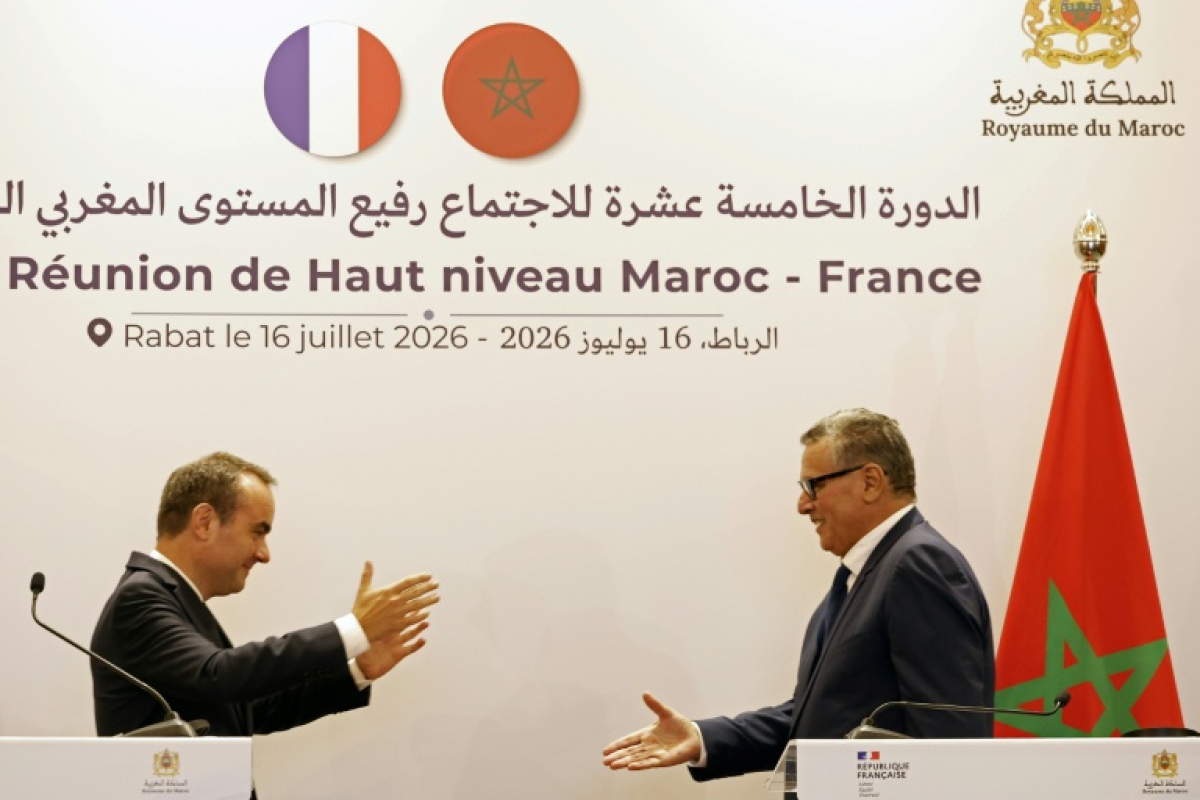
Rabat — A palpable shift in relations was on full display as French Prime Minister Sébastien Lecornu concluded a landmark two-day visit to Morocco, where he and Moroccan counterpart Aziz Akhannouch reaffirmed a newly restored confiance retrouvée between Paris and Rabat.
During a joint press briefing at the Moroccan Ministry of Foreign Affairs, Lecornu described the state of bilateral ties as exceptionally positive, highlighting a trajectory that began in earnest when French President Emmanuel Macron formally recognized Morocco’s sovereignty over the Western Sahara in mid-2024—a move that drew sharp criticism from Alger.
That historic gesture paved the way for Macron’s state visit to Rabat in October 2024, effectively ending three years of diplomatic friction fueled by espionage allegations and visa restrictions. The visit culminated in the signing of a groundbreaking “exceptional enhanced partnership”, accompanied by a flurry of commercial agreements worth billions.
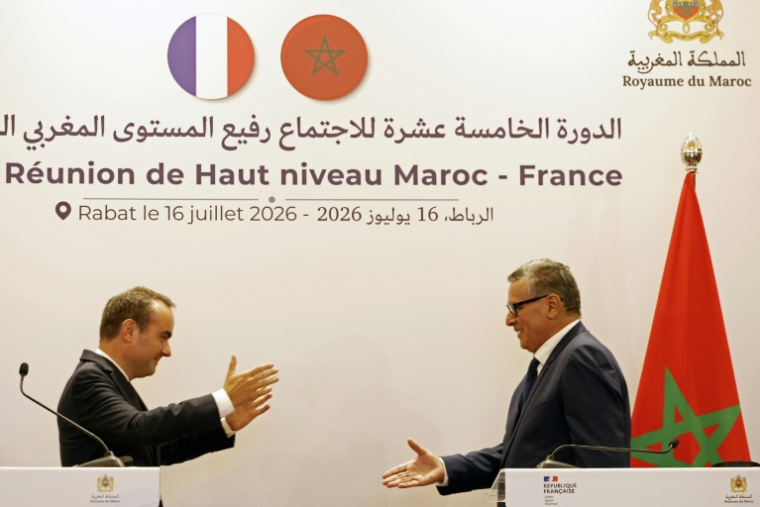
French Prime Minister Sébastien Lecornu (left) and Moroccan counterpart Aziz Akhannouch at a press conference in Rabat
New horizons in diplomacy and defense
Lecornu, leading a 12-member ministerial delegation including Foreign Minister Jean-Noël Barrot and Interior Minister Laurent Nuñez, emphasized a shared ambition to “elevate bilateral cooperation to a new level”, particularly in counterterrorism and organized crime. The two sides convened the 15th High-Level Consultation—the first since 2019—and hailed it as a “watershed moment”.
The French Prime Minister also addressed long-standing visa tensions, announcing plans to simplify circular migration for Moroccan entrepreneurs and students, signaling a thaw in mobility restrictions that had strained relations in 2021 and 2022.
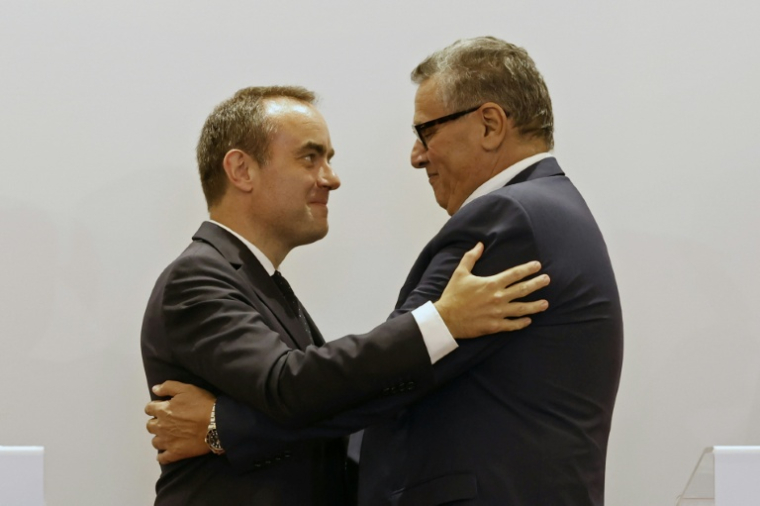
Prime ministers Lecornu and Akhannouch embrace after talks in Rabat
A strategic pivot toward Africa
Both leaders underscored the centrality of Africa in their joint strategy, particularly in the Sahel, where jihadist threats continue to destabilize the region. Morocco has emerged as Paris’s key partner in the Maghreb, with France prioritizing Rabat over Algiers despite recent rapprochement efforts with Algeria.
In a symbolic gesture, King Mohammed VI sent a July 14th message to Macron, celebrating the “consolidation of privileged relations” between the two nations—a relationship Akhannouch described as rooted in “shared political vision, renewed trust, and common ambition.”
Among the 12 agreements signed was a call for expressions of interest in cross-border electricity interconnection and financing conventions with the French Development Agency for water projects and a new Rabat regional express rail line.
Shadows of the past linger
Yet not all shadows were dispelled. International media consortia published fresh reports on the same day alleging Morocco’s use of Pegasus spyware, a claim Rabat swiftly dismissed as “baseless and defamatory.” French officials declined to address the allegations, dismissing them as outdated concerns.
Nor did the two premiers hold a traditional post-meeting Q&A session, opting instead for a brief, scripted exchange with journalists. The move fueled speculation about lingering sensitivities, though both sides insisted the partnership was now on solid ground.
As Macron eyes a potential state visit to Paris by the Moroccan monarch, the foundations of this “unprecedented treaty”—France’s first outside the European Union—appear firmly laid. For now, the message from Rabat is clear: trust has been restored, and the future looks brighter than ever.
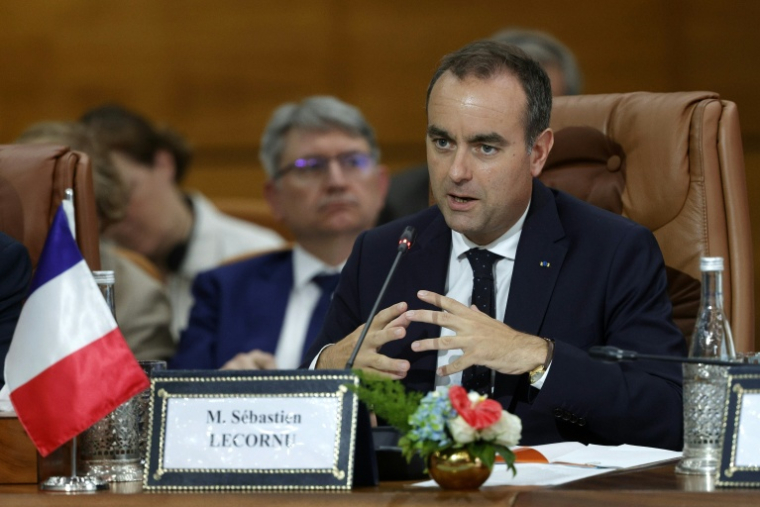
French Prime Minister Sébastien Lecornu delivers opening remarks during a plenary session with Moroccan ministers
