The United Nations Security Council sanctions committee, established under Resolution 1533 (2004) concerning the Democratic Republic of the Congo (DRC), has officially imposed restrictive measures on six additional individuals and two entities, as announced in a statement released on July 16. This move targets key figures linked to armed groups destabilizing the eastern regions of the country.
Who are the targeted leaders?
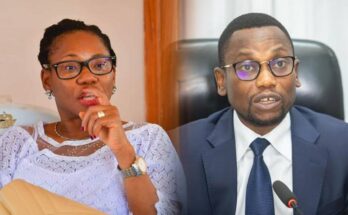
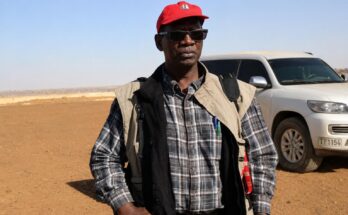
The newly sanctioned individuals include:
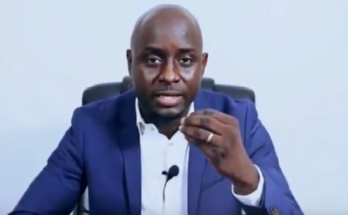
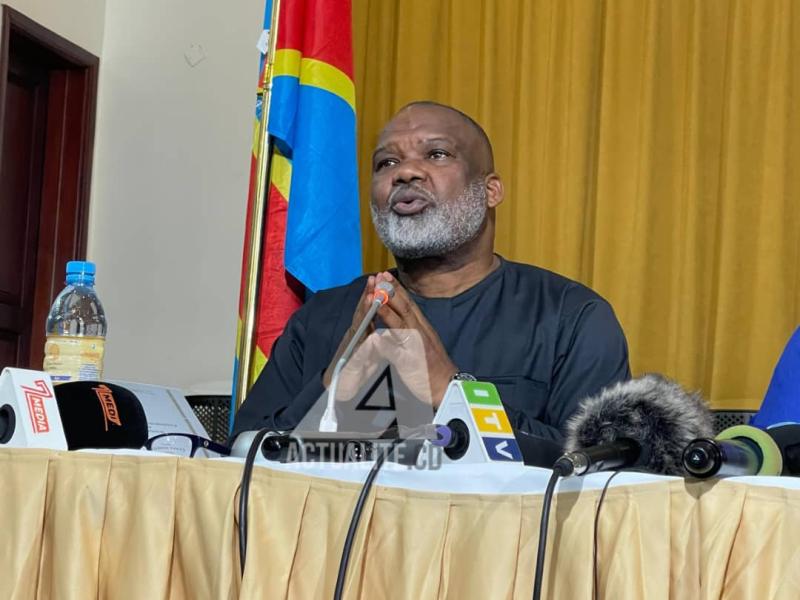
- Corneille Nangaa, identified as the leader of the Allied Forces of Congo/M23 (AFC/M23), a group already under prior UN sanctions for its role in the ongoing conflict.
- John Imani Nzenze, a colonel serving as the M23’s intelligence chief, accused of orchestrating and supporting the rebel group’s operations.
- Sébastien Uwimbabazi, a brigadier general within the Rwandan Democratic Liberation Forces (FDLR), based in Rutshuru, facing allegations of involvement in civilian targeting and resource exploitation.
- Gustave Kubwayo, alias “Sirkoof,” commander of the FDLR-FOCA and leader of the Commando for Deep Research and Action (CRAP), reportedly engaged in kidnappings for ransom and illegal resource extraction.
- Muhammed Lumisa, a commander, physician, and logistics coordinator for the Allied Democratic Forces (ADF), an Ugandan-origin armed group active in the region.
- Charles Sematama, a colonel and military leader of the Twirwaneho group, operating in South Kivu’s High Plateaus, accused of severe human rights violations against civilians since the group’s formation in 2008.
The two entities added to the sanctions list are the AFC/M23, established in 2023, and the Twirwaneho group.
What do these sanctions entail?
These measures include:
- An assets freeze for the designated individuals and entities.
- A travel ban preventing them from leaving the DRC or entering other countries.
- An arms embargo, restricting their access to weaponry and military support.
These sanctions are part of the international community’s broader efforts to curb violence and instability in the eastern DRC, where ongoing conflicts have displaced thousands and exacerbated humanitarian crises.
Reactions and implications
The move comes amid escalating violence in the region, with armed groups continuing to operate despite previous sanctions. The international community has repeatedly called for accountability and an end to impunity for those responsible for atrocities against civilians.
While the sanctions represent a significant step in pressuring armed groups, their effectiveness will depend on robust enforcement and regional cooperation. The DRC government, alongside international partners, is expected to take further measures to address the root causes of conflict and ensure lasting peace.
Image: Corneille Nangaa speaking at a press conference in Goma.