Fuel shortage paralyzes Ségou’s economy in Mali
Since September 2025, Ségou, a key city in central Mali, has been grappling with a chronic fuel shortage that has upended daily routines and local commerce. Located over 200 km from Bamako, the city relies on rare, military-escorted convoys to secure its fuel supply—arriving just two to three times per month due to ongoing security risks.
A strained supply chain
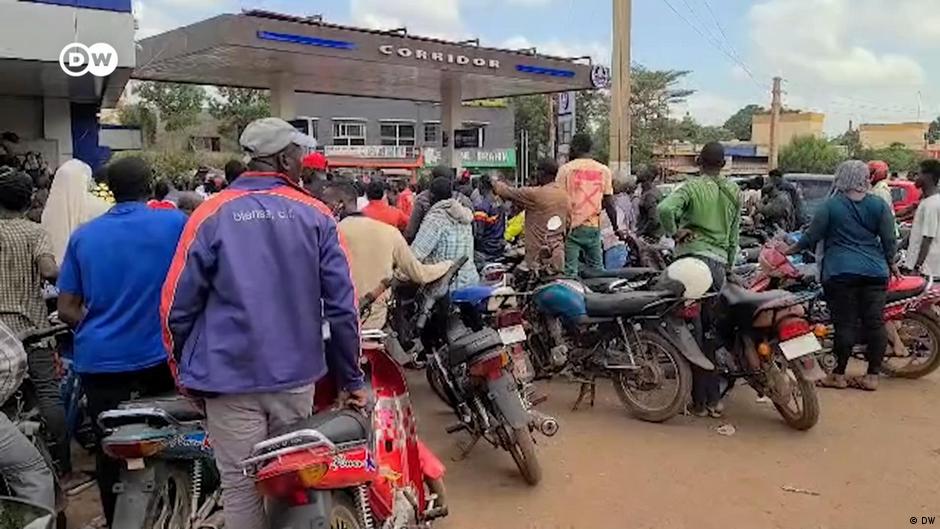
Each delivery brings over a dozen tanker trucks, with most fuel diverted to industrial producers and the national power utility, Énergie du Mali (EDM). Only three or four trucks supply local gas stations, whose reserves vanish within 48 hours. Residents report recurring stockouts and demand a more reliable distribution system.
Black market thrives amid shortages
When gas stations run dry, informal sellers step in. Across Ségou’s neighborhoods, gasoline prices soar to 2,000–5,000 CFA francs per liter—far above regulated rates. Locals suspect profiteering as the crisis deepens, with no visible deterrence.
Local economy buckles under pressure
The scarcity is crippling Ségou’s economy. Main streets see reduced activity, while public transit—especially the ubiquitous “katakatani” tricycles—has doubled in cost (from 100 to 200 CFA francs). Daily commutes for students, teachers, and workers have become a financial burden.
Military patrols on major roads attempt to curb smuggling, but residents insist the crisis demands a lasting solution. The fuel shortage continues to erode Ségou’s economic resilience day by day.