Gabon: Bilie By Nze’s continued detention sparks legal and political debate
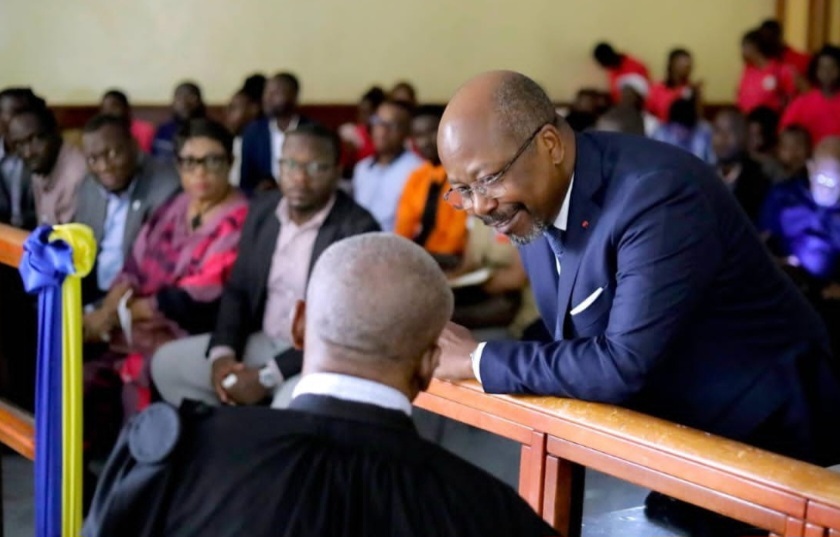
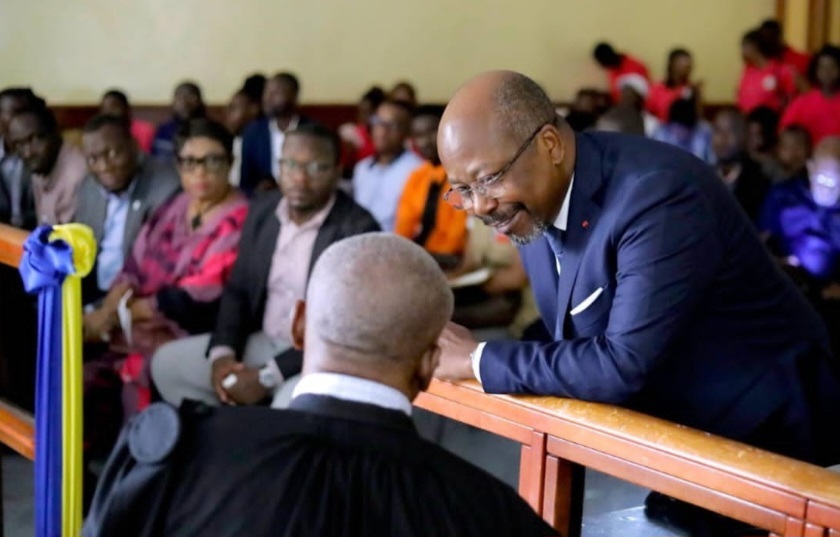
Libreville, June 3, 2026 — The continued detention of former Prime Minister and prominent Gabonese opposition leader Alain-Claude Bilie By Nze has intensified debates over judicial independence and procedural fairness in Gabon. The Court of Appeal in Libreville recently upheld the rejection of his defense team’s motion to nullify the proceedings, leaving the opposition figure incarcerated at the central prison since April 16, 2026.
While framed as a criminal case involving alleged embezzlement and fraud dating back to 2008, observers argue that the legal battle carries deeper institutional implications. Defense attorneys contend that the charges are time-barred under Gabonese law, as the alleged offenses would have reached the statute of limitations by 2018. They further allege procedural irregularities, including procedural defects and an improper legal qualification of the charges.
Contested allegations and procedural concerns
Me Arthur Vercken, one of Bilie By Nze’s defense lawyers, has raised concerns about the violation of fundamental procedural rights. He highlighted that his client was denied access to legal counsel for 24 hours following his arrest before being formally remanded in custody, a lapse that critics argue undermines the integrity of the judicial process. The defense maintains that the evidence presented does not justify prolonged detention and that the proceedings contravene international standards on fair trial rights.
Political undertones in a high-stakes legal battle
The case unfolds against a backdrop of heightened political tension, with Bilie By Nze positioned as a key opposition figure in Gabon’s evolving political landscape. A former Prime Minister under former President Ali Bongo Ondimba, he has emerged as a vocal critic of the current administration led by President Brice Clotaire Oligui Nguema, who assumed office in 2025. The opposition and segments of the public view the detention as politically motivated, framing it as a test of the judiciary’s impartiality in a post-election environment.
In a recent statement, President Oligui Nguema emphasized the separation of powers, asserting that the judiciary operates independently and that he bears no influence over the case. He described the matter as a strictly judicial issue, underscoring the government’s commitment, in principle, to upholding the rule of law.
A test for judicial independence and institutional stability
The Court of Appeal’s decision to uphold Bilie By Nze’s detention has intensified scrutiny of Gabon’s judicial system, both domestically and internationally. The defense’s arguments—rooted in statute of limitations and procedural flaws—have fueled broader discussions about transparency, rigor, and fairness in high-profile cases. Beyond the question of guilt or innocence, the case has become a litmus test for public trust in institutions capable of delivering justice without political interference.
In a nation navigating a delicate period of institutional transition, Bilie By Nze’s detention serves as a barometer for democratic maturity. The judiciary’s handling of this case will not only shape perceptions of fairness but also determine the broader credibility of Gabon’s legal framework. As Gabonese citizens and international observers watch closely, the outcome of this legal saga will resonate far beyond the courtroom, influencing confidence in the country’s democratic institutions.