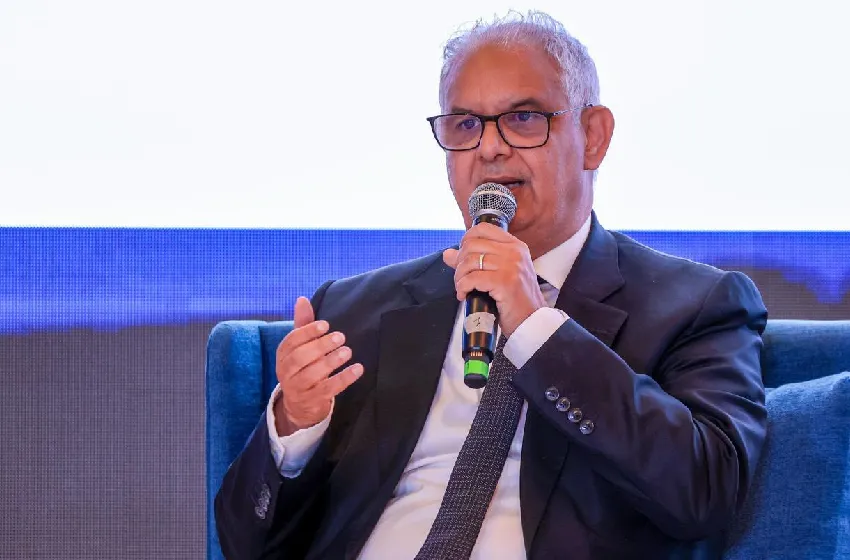
Under the visionary leadership of King Mohammed VI, Morocco has transformed its dam-building initiatives into a cornerstone of national water sovereignty. This ambitious strategy has not only expanded the country’s water infrastructure but also established a robust hydraulic heritage, as highlighted by Nizar Baraka, Minister of Equipment and Water, during the second edition of the MAP Town Hall in Rabat.
An expanding network: Morocco’s dam infrastructure by 2026
By the end of 2026, Morocco will boast 156 major dams, with a combined storage capacity of 20.8 billion cubic meters. Currently, 14 new dams are under construction, reinforcing the Kingdom’s expertise in hydraulic engineering, technical studies, civil construction, and water infrastructure management. Since 2021 alone, eight large-scale dams have been completed, demonstrating the pace of progress under the King’s proactive vision.
Resilience and equity: the dual impact of Morocco’s water strategy
These hydraulic assets play a critical role in enhancing territorial and population resilience while ensuring efficient, long-term demand management. Thanks to this year’s rainfall and the Kingdom’s expanded infrastructure, Morocco now enjoys a minimum two-year buffer for both drinking water and irrigation across the country, according to the minister.
Complementing this effort, the national strategy also prioritizes the development of small dams. A joint initiative between the Ministry of Equipment and Water and the Ministry of the Interior aims to construct 155 small dams by 2028. These projects target rural communities, securing groundwater supplies and preserving strategic reserves for future generations.
A diversified approach to water security
Morocco’s water sovereignty relies on a multi-pronged strategy, as outlined by the Royal Vision. This includes:
- Basin-based governance: Ensuring balanced water distribution across regions.
- Desalination: Meeting 60% of potable water needs through seawater desalination by 2030.
- Wastewater reuse: Maximizing the potential of treated wastewater for agricultural and industrial use.
- Climate adaptation: Integrating resilience measures into water infrastructure planning.
The Kingdom is also fostering national solidarity through water highways—inter-basin connections that link urban centers, rural towns, and agricultural hubs. These infrastructures are designed to guarantee water security for all, positioning water as a tool for territorial justice.
Expert insights: sustaining a hydraulic legacy
Mohammed Benahmed, an international territorial development expert, emphasized Morocco’s status as a continental leader in hydraulic heritage management. He stressed the need for long-term governance, including performance evaluations, multi-year maintenance budgets, and strategic funding mechanisms.
To sustain such a vast infrastructure, Benahmed advocates for innovative financing models, such as:
- Green bonds: Mobilizing capital for sustainable water projects.
- Concessional climate financing: Leveraging low-interest loans for high-impact initiatives.
- Public-Private Partnerships (PPPs): Combining public investment with private sector efficiency.
Mohamed Amrani, Chief of Policy at the FAO for North Africa, highlighted the importance of inter-regional cooperation in water governance. He noted that sustainable water security depends on balancing equity, productivity, and solidarity without imposing unsustainable financial burdens.
A platform for dialogue: the MAP Town Hall initiative
The MAP Town Hall serves as a dynamic forum for policymakers, experts, and development stakeholders to engage in constructive discussions. This second edition brought together public and private sector leaders, as well as media representatives, to explore Morocco’s water strategy and its implications for national progress.