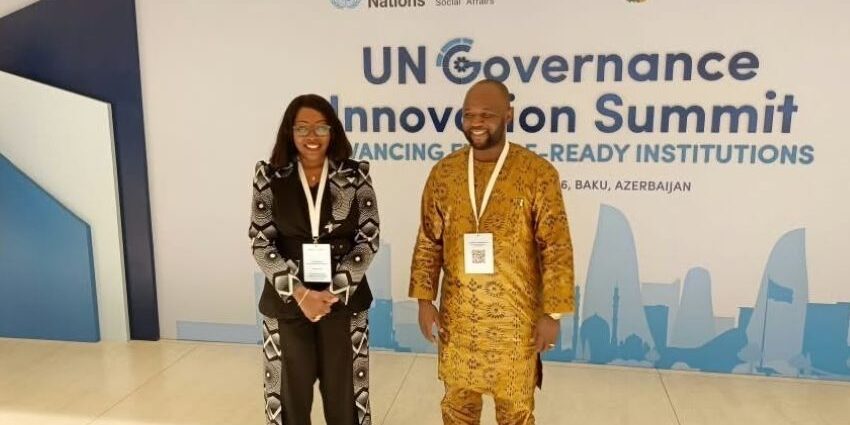
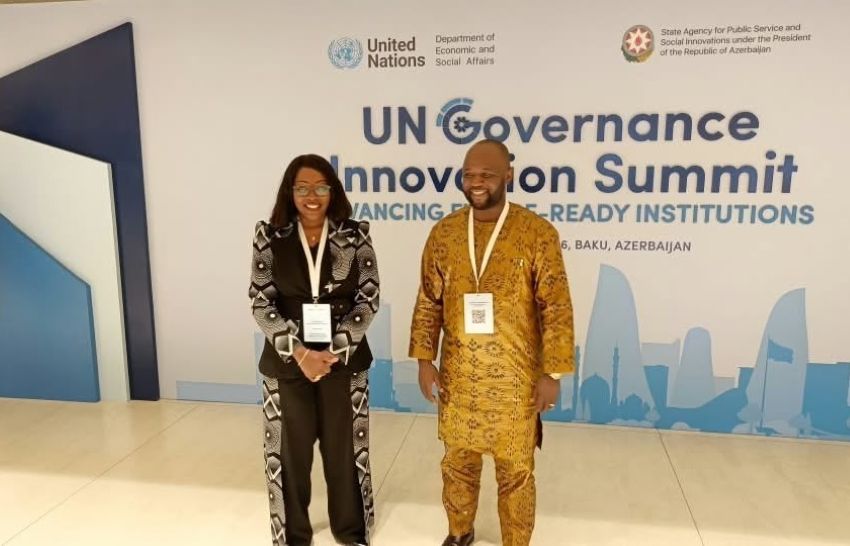
Baku, November 2026 – In a landmark move, Gabon and Guinea have taken decisive steps to modernize their public sectors, signaling a turning point in governance across Central and West Africa. At the heart of this shift is a high-level dialogue between Laurence Ndong, Gabon’s Minister of Public Service and Capacity Building, and François Bourouno Faya, Guinea’s Minister of Public Sector Modernization, who convened in Baku ahead of the UN Innovation Summit on Governance.
The meeting wasn’t just diplomatic—it marked the beginning of a strategic partnership aimed at transforming how both nations deliver services to their citizens. With citizens demanding greater transparency, efficiency, and responsiveness from their governments, the reform of public administrations has become a non-negotiable priority for Libreville and Conakry alike.
From Vision to Action: Core Reforms Take Shape
The discussions centered on concrete measures to overhaul public administration, with digital transformation at the forefront. Both ministries agreed on key priorities: streamlining bureaucratic processes, digitizing public services, and creating unified service counters to reduce red tape and improve accessibility.
Gabon’s delegation showcased its Integrated Human Resources Management System (SIGRH), a cornerstone of its reform agenda that promises to enhance workforce management through real-time data tracking and digital archiving. These tools are designed not only to optimize resource allocation but also to provide policymakers with reliable insights for data-driven decision-making.
Breaking Down Silos: Human Resources and Career Development
Career management emerged as another critical area of focus. Both countries are revamping their civil service frameworks to attract top talent, improve training programs, and implement merit-based promotions. The goal? To build administrations that are agile, responsive, and capable of attracting the next generation of public servants.
Guinea’s Minister of Public Sector Modernization emphasized the need for “administrations that work for people, not the other way around.” This philosophy aligns closely with Gabon’s restructuring efforts, which include modernized retirement systems and career pathing tools to support lifelong learning and professional growth within the civil service.
Digital Governance: The Backbone of a New Era
Digitalization isn’t just a technical upgrade—it’s a paradigm shift. Both nations are prioritizing secure, user-friendly online platforms to facilitate everything from permit applications to tax filings. By moving critical services online, Gabon and Guinea aim to dismantle bureaucratic bottlenecks and restore public trust in government institutions.
Laurence Ndong highlighted how Gabon’s digital archiving initiatives are already reducing paperwork and improving service delivery timelines. “When citizens can access services without stepping into an office, we’re not just modernizing—we’re humanizing government.”
Beyond Bilateral Ties: A Regional Ripple Effect
While the partnership between Gabon and Guinea is bilateral, its implications extend regionally. As both countries push forward with their reform agendas, they are positioning themselves as models for other African nations grappling with similar challenges. The presidents of both nations—Brice Clotaire Oligui Nguema of Gabon and Mamadi Doumbouya of Guinea—have made public sector efficiency a cornerstone of their governance strategies, reflecting a broader trend toward institutional transformation across the continent.
Looking ahead, both ministers announced plans for reciprocal working visits to observe best practices firsthand. These exchanges are expected to catalyze further collaboration, from joint training programs to shared digital infrastructure projects.
The Proof Is in the Outcomes
For citizens, the success of these reforms will be measured in tangible ways: shorter wait times at government offices, fewer instances of corruption, and services that meet modern expectations. But perhaps most importantly, the partnership between Gabon and Guinea signals a broader shift in how African governments view their role—not as rigid bureaucracies, but as dynamic engines of development driven by innovation and citizen-centric values.
The question now is whether other nations will follow suit. If the momentum from Baku is any indication, the future of African public administration may be on the cusp of a revolution.
Comments are closed, but trackbacks and pingbacks are open.