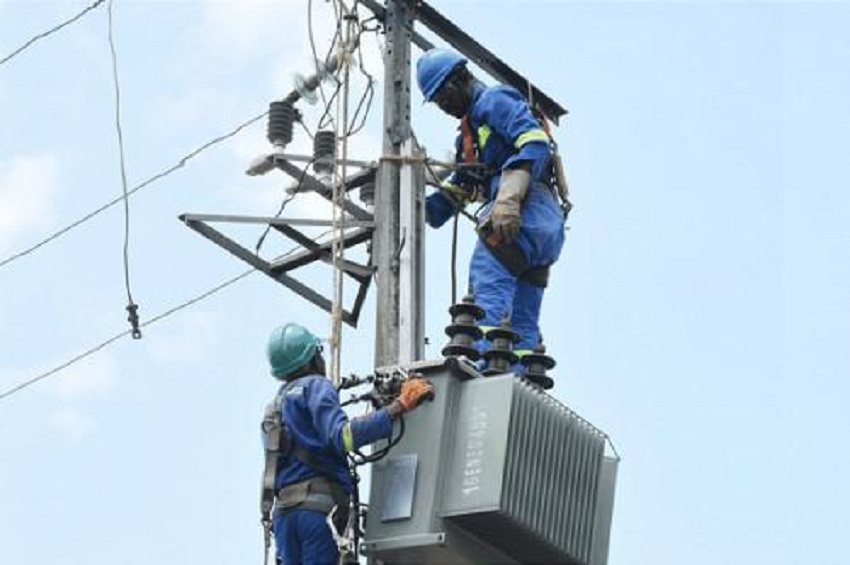
Gabon joins Africa’s push for 50 million electricity connections
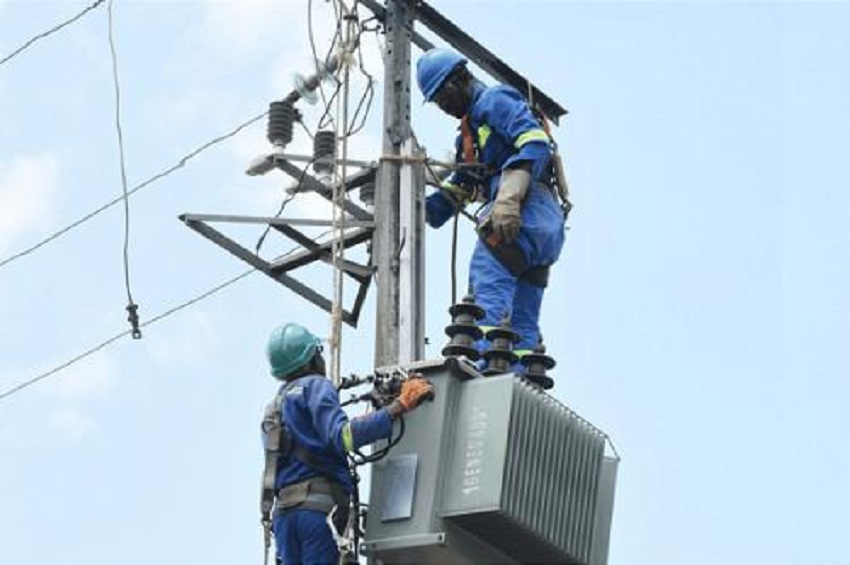
Libreville, June 19, 2026 – Africa is making unprecedented strides in its quest for universal electricity access, with over 50 million people now connected across 40 countries. This milestone is a direct result of Mission 300, a continent-wide initiative driving the most ambitious energy infrastructure push in modern African history.
The World Bank Group and the African Development Bank (AfDB) spearhead this transformation, turning promises into measurable progress. The program’s impact is reshaping Africa’s energy future, with Gabon among the latest nations joining the movement through national energy pacts.
Gone are the days of isolated electrification projects. Mission 300 introduces a coordinated approach where governments, development partners, and private investors align behind a unified roadmap to electrify the continent.
Financial Innovation Fuels Record-Breaking Progress
The 50 million connection milestone marks a new era in Africa’s electrification journey. Data shows access to electricity is now expanding nearly twice as fast as before the initiative’s launch. This acceleration stems from an integrated strategy covering the entire energy value chain—from power generation to last-mile distribution.
Notable achievements highlight this shift:
- Tanzania has connected 7.5 million people, with electrification rates five times faster than pre-initiative levels.
- Ethiopia secured 4.6 million new connections by implementing policies that made grid access more affordable.
Central to this success is a hybrid financial model. The World Bank Group and AfDB have committed nearly $15 billion in funding, supplemented by $4.5 billion in co-financing and over $7 billion from private partners. A mix of grants, guarantees, and concessional loans reduces investment risks, unlocking private sector participation in previously unprofitable regions.
Nigeria is one beneficiary, connecting over 4.5 million people through private-led initiatives made viable by these risk-mitigation mechanisms.
National Energy Pacts: The New Backbone of Africa’s Power Revolution
A defining feature of Mission 300 is the rise of National Energy Pacts. Thirty African countries have already adopted these government-led frameworks to guide their energy transitions.
These pacts serve multiple purposes:
- Expanding electricity production capacity.
- Lowering connection costs for households.
- Accelerating renewable energy adoption.
- Strengthening regional energy integration.
- Mobilizing private investment.
The pacts reflect a growing trend: African governments taking charge of their energy futures by creating structured, long-term pathways. Burkina Faso, the Central African Republic, Djibouti, Rwanda, and Uganda are among the countries set to unveil their pacts in the coming months. Gabon is also stepping into this fold, with its national pact expected to be announced at the upcoming African Energy Forum in Cape Town—a clear signal of the country’s commitment to continental energy governance standards.
Electricity as a Catalyst for Economic Transformation
Leaders at the helm of this initiative emphasize a critical insight: electricity is more than infrastructure—it’s a multiplier of development. It underpins job creation, healthcare, education, and economic competitiveness.
Ajay Banga, President of the World Bank Group, underscores that the initiative’s true value lies in its ability to build a sustainable platform capable of extending beyond 2030. Meanwhile, Sidi Ould Tah, President of the AfDB, stresses that progress must translate into tangible gains for food security, healthcare systems, and economic inclusion.
This collaboration among institutions, governments, and investors signals the emergence of a hybrid development model. No longer solely driven by states or donors, energy progress now thrives on broad coalitions that pool resources, share risks, and deliver results at scale.
For organizations like the Rockefeller Foundation and UN-backed sustainable energy initiatives, the 50 million connections mark only the beginning. Their sights are set on replicating this model across the continent, where every new connection becomes a catalyst for social transformation.
Africa’s Emerging Role in Global Energy Markets
Mission 300 is redefining Africa’s position in global energy value chains. By building interconnected grids and attracting large-scale private capital, the continent is positioning itself as a strategic investment hub for energy.
Gabon and other African nations are no longer passive recipients of energy aid—they are active players in this transformation. By joining national pacts, they demonstrate institutional capacity growth and a commitment to sustainable energy growth trajectories.
The 300 million connections target by 2030 remains ambitious, but the 50 million milestone proves the trajectory is no longer theoretical. It is underway, accelerating, and structured by an unprecedented international consensus. The challenge ahead will be sustaining this momentum amid Africa’s financial, political, and logistical complexities.
Comments are closed, but trackbacks and pingbacks are open.