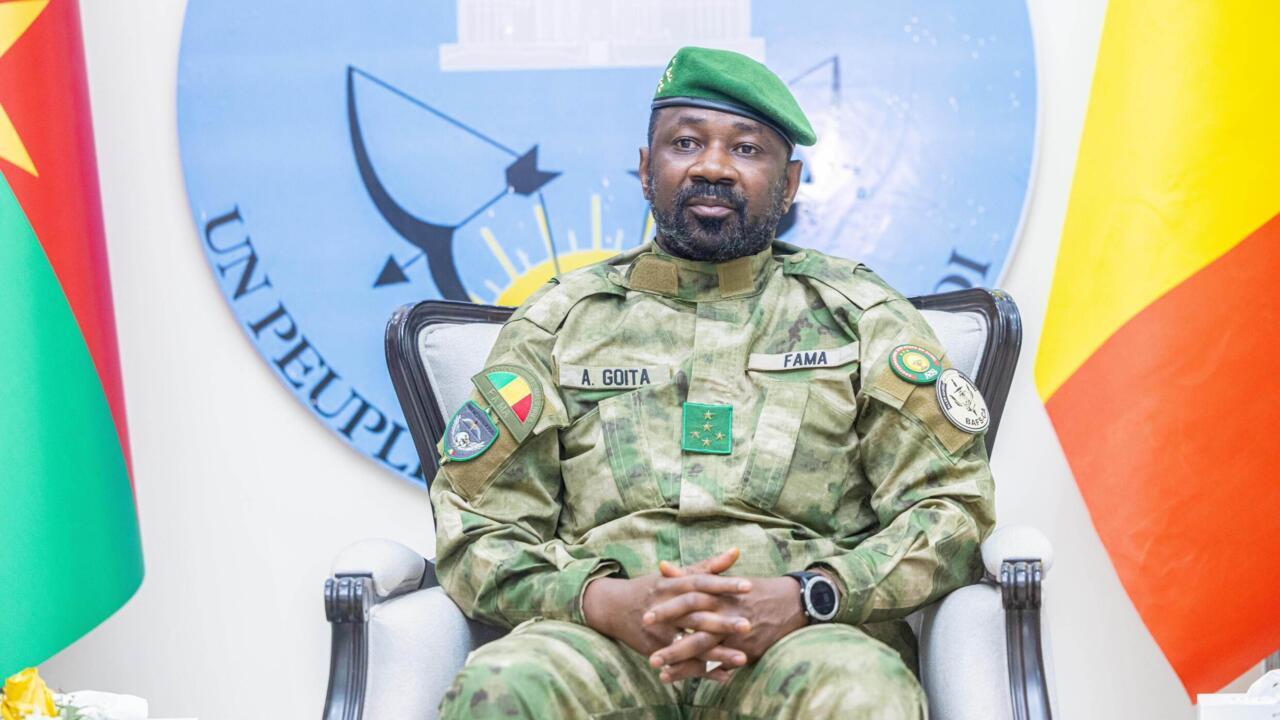
The diplomatic frost between Bamako and Algiers has finally melted. After more than a year of bitter exchanges and severed ties, Mali and Algeria have restored full diplomatic relations and reopened their shared airspace. This sudden thaw came as a surprise, with no prior indication of reconciliation. Mali had openly accused Algeria of colluding with terrorist factions operating along their border—namely the JNIM jihadist group, affiliated with al-Qaeda, and the separatist FLA rebels. Could Russia or Niger have played a role in this unexpected détente? Might Bamako’s military-focused strategy shift with Algeria’s insistence on dialogue? Is this thaw a genuine breakthrough or just another fleeting diplomatic episode?
Behind the thaw: Niger’s quiet mediation
While speculation swirls about external actors influencing this rapprochement, the most credible explanation points to Niger. Since early this year, Niamey has actively mediated between Bamako and Algiers, even as it worked to restore its own strained relations with Algeria. Though Russia’s involvement has not been direct, Moscow and Algiers have undoubtedly engaged in discussions.
This détente follows a period of escalating tensions. In April 2025, Mali accused Algeria of shooting down a drone on Malian soil—a claim Algiers denied, stating the drone was in Algerian airspace. The incident marked the lowest point in relations before the recent thaw.
From military strategy to political deal-making
Mali’s transitional authorities have long rejected any dialogue with armed groups, whether jihadist or separatist, insisting on a purely military response. But the new diplomatic opening suggests a potential shift. According to analysts, the deal likely includes a clause prioritizing political logic over military force. While a return to the 2015 Algiers Accord seems unlikely, a new political initiative—particularly involving the FLA separatists—could emerge. The Malian state is weakening, and Algeria has a vested interest in preventing its collapse.
Could Bamako engage with the FLA?
It may be premature to assume the military government in Bamako will make concessions to the FLA. Several obstacles remain: international spoilers, domestic public opposition, and resistance within the regime itself. However, if the deal holds, the next steps would involve restoring security coordination, intelligence sharing, and Algeria’s potential role in mediating with rebel leaders—who Algiers has maintained contacts with.
Algeria’s balancing act: supporting neither side fully
Algeria has long played a delicate game, positioning itself between Mali’s government and rebel factions. Supporting one side too openly risks alienating the other, while indifference undermines its influence. Since the 1980s, Algiers has avoided fully endorsing either side, aware that instability in Mali could spill over into southern Algeria. Rebel movements in the region could inspire similar demands in Algerian border areas.
This balancing act explains why Algeria has tolerated the presence of figures like Malian cleric Dicko Ousmane, a vocal critic of Bamako’s military leadership now living in exile. If the deal holds, Dicko’s activities would likely become more discreet. Extradition is unlikely, but his visibility would signal a breakdown in the agreement.
Regional implications and lingering tensions
Mali’s recent recognition of Morocco’s plan for Western Sahara was poorly received in Algiers, raising questions about Bamako’s motives. While Algeria did not respond with harsh measures, it is unlikely to vigorously support Mali on the Sahara issue moving forward.
The question remains: Is this thaw sustainable, or just another temporary diplomatic fluctuation? While the joint communiqués suggest a deeper resolution, reversals are possible. Uncontrolled escalations by groups like JNIM, battlefield gains by rebels, or internal regime fractures could derail progress. The coming months will reveal whether this détente marks a turning point—or another fleeting attempt at peace.
The immediate test will be the strengthening of security cooperation between Mali and Algeria. If the deal holds, enhanced intelligence sharing and coordinated military efforts could follow. But stability in the Sahel remains fragile, and the road to lasting peace is anything but smooth.
Comments are closed, but trackbacks and pingbacks are open.