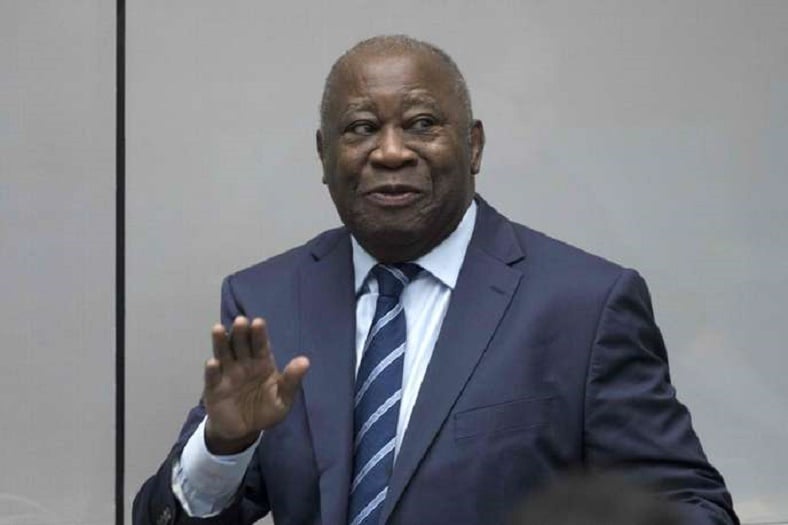
Laurent Gbagbo remains at the helm of Côte d’Ivoire’s leading opposition party
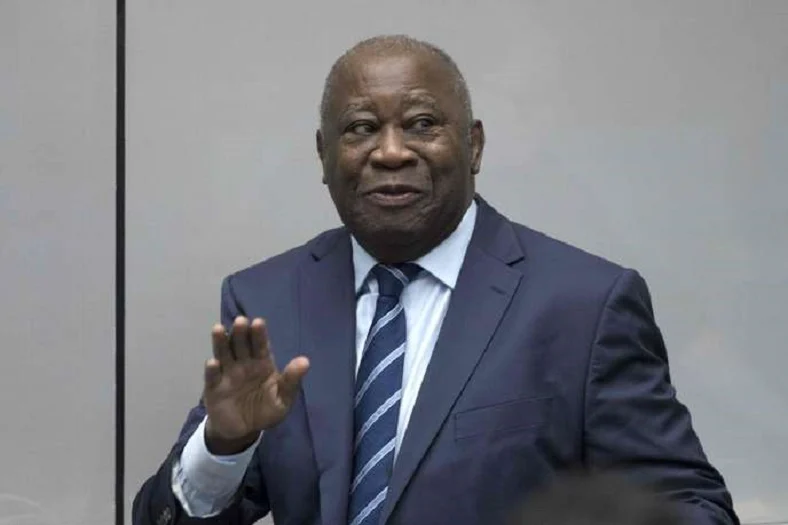
After initially signaling intentions to step back, former Ivorian President Laurent Gbagbo has been reaffirmed as leader of the Parti des peuples africains – Côte d’Ivoire (PPA-CI) following the party’s first ordinary congress. At nearly 81 years old, Gbagbo continues to command strong support from his base, despite his formation’s recent struggles amid electoral boycotts.
Leadership reaffirmed amid political challenges
The PPA-CI’s decision to renew Gbagbo’s mandate came as his party faces mounting pressure. His inability to contest the October 2025 presidential election—due to a prior criminal conviction barring his candidacy—left the PPA-CI without an official nominee. The party later boycotted the December legislative elections, resulting in a depleted parliamentary presence with only a handful of mayors remaining in office.
During the congress’s closing session in Abidjan’s Palais des congrès de Treichville, delegates enthusiastically endorsed Gbagbo’s leadership. His arrival was met with roaring applause, and he addressed the crowd with gratitude: “I am delighted to be in this warm atmosphere. Thank you.” A more detailed address is scheduled for the following day in Songon.
Party fractures and sanctions
The PPA-CI’s unity has been tested, with internal dissent prompting disciplinary action. Ahoua Don Mello, who defied party directives by running in the 2025 presidential race, was expelled. Meanwhile, Stéphane Kipré, who won a legislative seat as an independent, received an 18-month suspension for disregarding party guidance.
Further straining the party’s cohesion, key figures from Gbagbo’s 2000–2011 presidency—including his ex-wife Simone Ehivet Gbagbo, former ally Charles Blé Goudé, and ex-Prime Minister Pascal Affi N’Guessan—have distanced themselves from the PPA-CI, leaving the left-wing movement increasingly fragmented.
A path forward hinging on electoral eligibility
Gbagbo’s political future remains closely tied to his potential reinstatement on voter rolls, a prerequisite for future candidacies. This would require presidential amnesty from Alassane Ouattara, his successor since the 2011 post-election crisis that pitted their factions against one another. The resolution of this issue could reshape Côte d’Ivoire’s opposition landscape.
The PPA-CI’s congress also saw overwhelming support for a motion backing the Alliance des États du Sahel (AES), a coalition of Burkina Faso, Mali, and Niger—all governed by anti-French juntas with strained ties to Abidjan.
Comments are closed, but trackbacks and pingbacks are open.