Mali intensifies hunt for top jihadist and rebel commanders
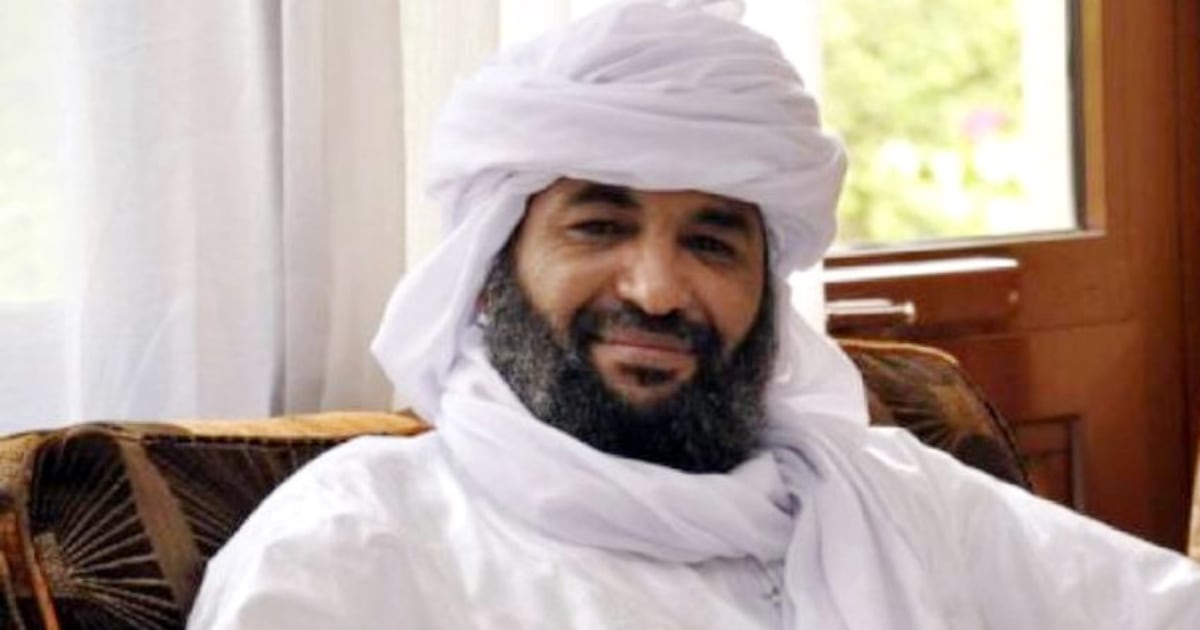
Iyad Ag Ghaly, a former Tuareg rebel and Malian diplomat, stands as the most wanted figure in the Sahel today. As the leader of the Group for the Support of Islam and Muslims (JNIM), which emerged in 2017, he faces a global manhunt under UN sanctions. His name appears on terrorist lists in the United States, and he is also the subject of an International Criminal Court (ICC) arrest warrant for alleged war crimes and crimes against humanity.
Recent coordinated assaults by JNIM fighters, alongside the predominantly Tuareg Azawad Liberation Front (FLA), have pushed Mali’s security situation to a critical tipping point. On April 25 and 26, these attacks struck key positions across multiple regions, targeting the military leadership in Bamako. Among the victims was Defense Minister Sadio Camara, a 47-year-old central figure in the current regime, who died in a suicide bombing.
Government announces bounties for jihadist and rebel leaders
The Malian government has escalated its counterterrorism efforts by placing bounties on the heads of seven individuals, including senior figures from both JNIM and the FLA. A televised statement confirmed that rewards of up to €2.2 million are now being offered for actionable intelligence leading to the capture or elimination of these suspects.
The list targets:
- Amadou Kouffa, a prominent JNIM commander
- Alghabass Ag Intalla, a key FLA leader
- Bilal Ag Cherif, another high-ranking FLA figure
The official announcement emphasized that these individuals are accused of orchestrating and executing attacks that have endangered civilian lives and property across the country. According to authorities, they remain actively sought by security services for their alleged roles in planning and carrying out acts of terrorism.
Since 2012, Mali has been grappling with a deepening security crisis, fueled by the violent campaigns of groups like JNIM and the Islamic State, as well as conflicts rooted in local criminal networks. The latest surge in violence underscores the ongoing challenge of restoring stability in a nation still reeling from years of instability.