The Oumar Mariko Case: A Diplomatic Earthquake in Bamako
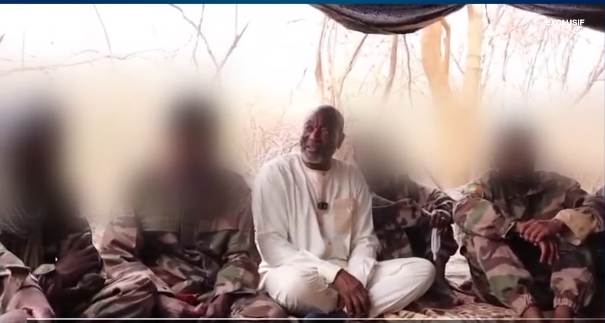
In the heart of Mali’s political crisis, a single photograph has exposed the fragility of state authority. The image—circulating rapidly across Malian social media—depicts opposition leader Oumar Mariko, currently living in exile, standing beside 17 recently freed hostages. The captives had been held by the Group for the Support of Islam and Muslims (JNIM), the Al-Qaeda-affiliated insurgent faction dominating swathes of the Sahel. While the rescued individuals represent a humanitarian triumph, the circumstances surrounding their liberation have sent shockwaves through Mali’s transitional government.
The State’s Absence: A Troubling Void
The central paradox of this episode lies in how a figure like Mariko—once a vocal critic of Bamako’s military junta and now living abroad—could orchestrate negotiations in territories where the Malian state’s security apparatus has repeatedly failed. This private mediation underscores a deeper malaise: the erosion of Mali’s sovereign control over its own land.
In vast regions of the country, the ability to move freely and engage in dialogue has slipped from the hands of official institutions into those of informal actors. Analysts warn that this shift signals a state in retreat, its legitimacy ceding ground to non-state entities that now fill the political void. The message is stark: Bamako’s grip on power is slipping, and its citizens are increasingly turning to alternative authorities for protection.
The JNIM’s Calculated Public Relations Gambit
For the JNIM, the hostage release was never a humanitarian gesture. Instead, it was a meticulously planned propaganda coup designed to serve two strategic purposes. First, the group sought to recast itself as a pragmatic, almost statesmanlike force—a stark contrast to the Malian government’s floundering security policies. Second, by stepping into the role traditionally reserved for local officials—marshals of justice, protectors, and arbiters—the JNIM positioned itself as the de facto authority in rural areas, further undermining the credibility of Bamako’s institutions.
As one observer noted, “Sovereignty is not declared in speeches from the capital; it is proven through the state’s ability to safeguard its people without intermediaries.”
The Hidden Costs of Shadow Diplomacy
Behind the relief of the freed hostages lies a darker reality. Informal negotiations of this nature carry severe long-term consequences for Mali’s future. The most pressing concern is the financial lifeline they provide to terrorist networks. Though never officially acknowledged, ransom payments—often paid in secrecy—directly fund future attacks against Malian armed forces and civilians alike. More insidiously, engaging with insurgent leaders implicitly legitimizes their control over territory, granting them a veneer of authority that resonates with rural populations.
The Dual Faces of Modern Mali
Mali today is a nation divided against itself, split between two starkly contrasting realities:
- The Institutional Mali: In the capital, Bamako, the official narrative remains one of military progress and an impending territorial reconquest. The government insists it is regaining control, though skeptics point to the persistent reliance on foreign allies like Wagner Group mercenaries.
- The Forgotten Mali: Beyond the urban centers, in the countryside and remote villages, the state’s absence is palpable. Here, survival often depends on pragmatic arrangements with armed groups. Communities navigate a precarious existence, weighing the risks of resistance against the necessity of coexistence with insurgents.
The Path to Restoring State Authority
The Mariko-mediated hostage release is more than an isolated incident; it is a wake-up call. By allowing private actors and opposition figures to negotiate matters as critical as national security, Mali risks deepening its fragmentation. The challenge for Bamako is no longer merely a military one—it is existential. To reclaim its authority, the state must do more than deploy troops; it must restore governance, trust, and a tangible sense of security to the very communities that now look elsewhere for leadership.
The question lingers: Can a government that cannot protect its own people from insurgent groups ever truly be sovereign?