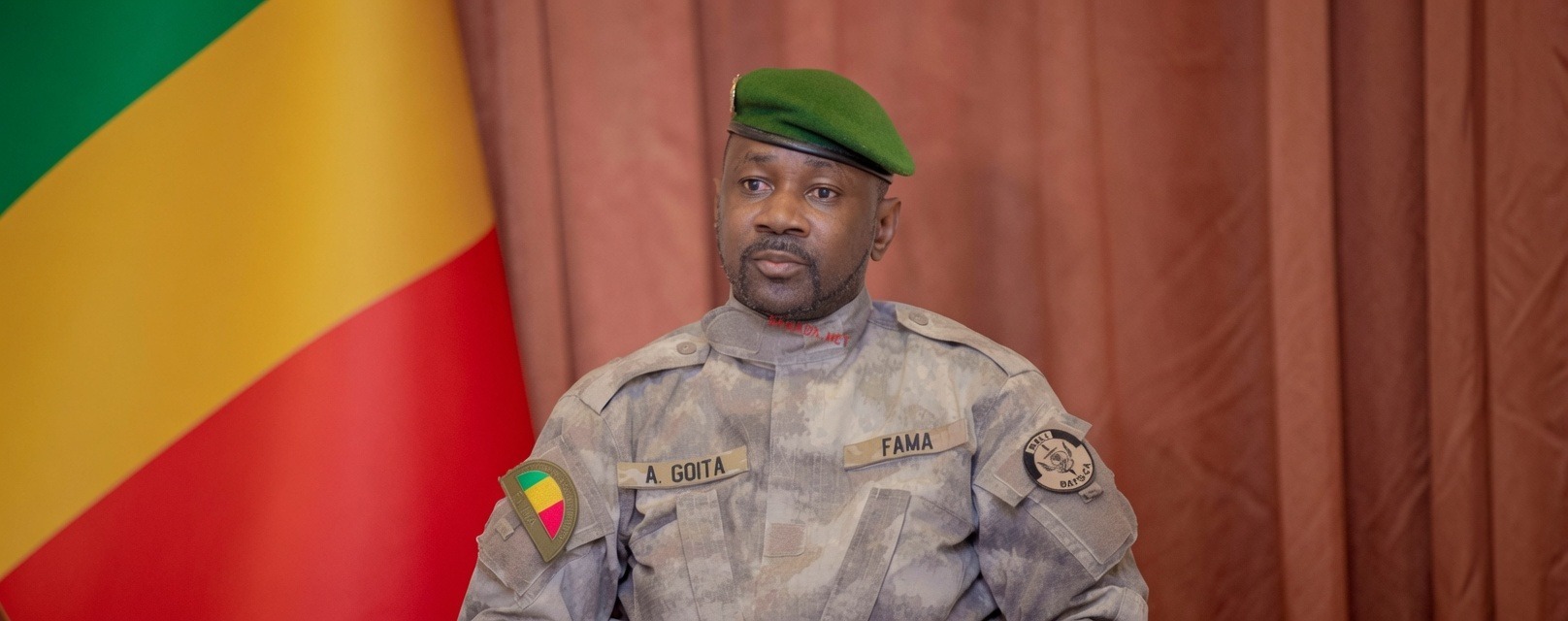
June 16, 2026, marks a somber date for the average Malian citizen’s finances. Through an official press release, the Ministry of Economy and Finance announced a severe tightening of fiscal policy: a doubling of the consumption tax (from 1% to 2%) impacting essential goods such as bread, rice, oil, and sugar. This was further compounded by a surtax on financial transactions and salaries, alongside a mandatory quarterly deduction of 10,000 FCFA from all paychecks.
While the reasons cited by Minister Alousséni Sanou — supporting the armed forces, assisting populations in insecure areas, and developing road infrastructure — carry a veneer of legitimacy, this announcement has been met with significant public discontent. Across Bamako’s informal gathering spots and in markets throughout the interior, a pressing, almost taboo question resonates: “Where is the gold money going?”
Mali’s gold shines internationally, but its people suffer domestically
Mali stands as Africa’s third-largest gold producer. Since the adoption of the new mining code and robust renegotiations with foreign multinational corporations, the Transition authorities have consistently lauded a historic reclamation of the nation’s extractive wealth. Hundreds of billions of CFA francs in mining arrears have reportedly been recovered, the state’s share in projects has been legally increased to up to 35%, and global prices for the yellow metal continue to reach historic highs.
Given this context, the widespread confusion is palpable. How can it be explained that at a time when Mali’s subsoil is supposedly generating more revenue for the state than ever before, the government finds itself compelled to dip into the pockets of workers, civil servants, and households already struggling under the weight of inflation? If Mali’s gold truly “shines for Malians,” as the political slogan proclaimed, why is it the household budget that bears the brunt of economic adjustment?
How long can “patriotic sacrifice” last?
The ministerial communiqué once again appeals to “civic duty” and “patriotic sacrifice.” Yet, can patriotism indefinitely sustain privations when the daily cost of living becomes unbearable? Taxing staple items like bread, rice, and soap — fundamental for the survival of the most modest families — under the guise of a war effort strongly suggests a state grappling with financial asphyxia.
Consent to taxation can only be sustained through absolute transparency. Linking the war effort to direct payroll deductions for workers while maintaining opacity regarding the actual use of immense mining dividends risks eroding the crucial pact of trust between the populace and its leaders.
Demanding transparent accounts
Financing territorial security and modernizing roads are undisputed imperatives. However, imposing a double fiscal burden on citizens without presenting a clear, audited report of revenues generated by the gold sector cultivates a profound sense of injustice. The government of Mali has a clear obligation to address this legitimate demand for accountability. Before asking Malians to further tighten an already strained belt, it is imperative to shed unequivocal light on the destination of our mining revenues. Malians are prepared to support their army, but they refuse to pay a heavy price while the nation’s gold seemingly vanishes into the labyrinth of undocumented budgets.
Comments are closed, but trackbacks and pingbacks are open.