Mali’s Reform Slowdown Triggers Regional Investor Concerns
The Mali government’s recent performance in implementing community-driven economic reforms has taken a noticeable hit. Official figures show the country’s reform implementation rate dropped from 80.06% in 2024 to 75.52% in 2025—a decline of 4.54 percentage points. While not catastrophic, this downward trend has started to raise questions about Mali’s institutional credibility and its future economic prospects within the West African Economic and Monetary Union (UEMOA) financial ecosystem.
What’s Behind Mali’s Reform Implementation Downturn
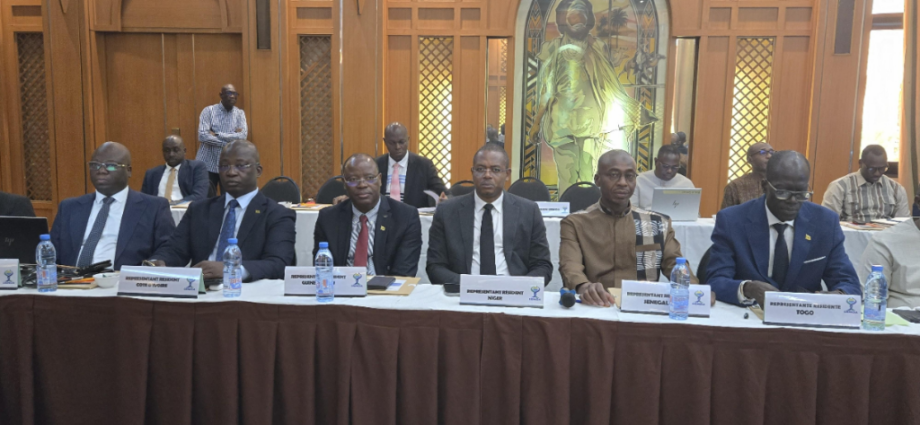
The decline didn’t occur in isolation. The 12th annual UEMOA reform review, concluded in Bamako in early November 2026, highlighted several compounding factors contributing to this regression:
- Institutional restructuring fallout: The formation of the Alliance of Sahel States (AES) has reshaped regional power dynamics, creating new diplomatic friction points that occasionally impede the smooth execution of collective economic commitments.
- Administrative bottlenecks: Bureaucratic delays and insufficient ministerial coordination have slowed regulatory rollouts, directly impacting reform timelines.
- Resource allocation challenges: With security expenditures consuming an increasing share of public funds, fewer financial resources remain available for structural economic reforms that don’t deliver immediate political capital.
The cumulative effect of these factors has created a challenging environment for maintaining reform momentum, though it’s worth noting that the 4.54-point drop alone doesn’t automatically signal a complete loss of investor confidence.
Financial Market Implications of Mali’s Reform Slowdown
The UEMOA regional financial market plays a critical role in Mali’s public financing strategy. The country routinely accesses these markets through government bond issuances and Treasury notes to fund essential public expenditures. Investors evaluate these instruments based on:
- Projected returns
- Country risk profile
- Institutional stability indicators
- Policy implementation predictability
- Long-term economic outlook
A sustained decline in reform implementation could prompt investors to reclassify Mali as a higher-risk borrower. This potential shift might lead to:
- Higher yield demands on new debt instruments
- Increased borrowing costs for future bond issuances
- Potential credit rating downgrades
However, it’s important to contextualize this within broader regional trends. Current UEMOA market conditions—including banking sector liquidity and monetary policy—also influence investment appetites across member states.
Debt Financing Challenges on the Horizon
Looking ahead to 2026, Mali’s planned 1.45 trillion CFA franc borrowing requirement from the UEMOA market represents a significant fiscal challenge. This follows 1.193 trillion CFA francs successfully raised in 2025. The government faces two potential obstacles:
- Higher borrowing costs: If risk premiums increase, debt servicing expenses will absorb a larger portion of the national budget, leaving less available for education, healthcare, and infrastructure development.
- Capital access constraints: Insufficient subscription demand during bond auctions could strain treasury operations and tighten liquidity conditions.
Commercial banks, which form the backbone of UEMOA’s sovereign debt market, might face increased exposure concentration if Mali’s debt profile becomes less attractive relative to regional peers.
Balancing Political Sovereignty with Regional Integration
The reform slowdown highlights the delicate balance between pursuing independent economic policies and fulfilling regional integration obligations. Mali’s UEMOA membership provides:
- A shared currency framework
- Regional market access
- Standardized economic governance mechanisms
Addressing the implementation gaps will require:
- Enhanced inter-ministerial coordination mechanisms
- Clear prioritization schedules for outstanding reforms
- Transparent reporting on implementation progress
- Stakeholder engagement to rebuild investor trust
The November 2026 review served as both mirror and motivation—reflecting current shortcomings while setting the stage for corrective action. While the 4.54-point decline isn’t yet a market-declared crisis, it serves as a crucial early warning that demands immediate attention from policymakers.
Building Sustainable Economic Confidence
In the UEMOA context, institutional trust develops through consistent performance rather than occasional announcements. For Mali, this means:
- Demonstrating measurable progress in delayed reforms
- Improving policy predictability through transparent decision-making
- Strengthening administrative capacities to accelerate implementation
- Re-engaging with regional partners to rebuild collaborative momentum
The stakes couldn’t be higher. With the 2026 borrowing target looming, every percentage point of reform implementation saved translates directly into financial stability and budgetary flexibility. The authorities now face a clear choice: address the current trajectory proactively or risk watching market reactions dictate the next phase of Mali’s economic journey.
Comments are closed, but trackbacks and pingbacks are open.