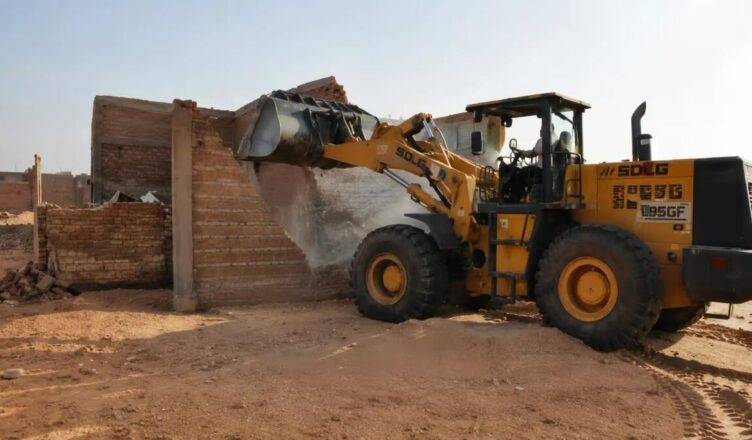
Mass demolition campaign underway near Niamey airport to curb jihadist threats
In Kobontafa, a densely populated neighborhood bordering Niger’s main air transport hub, residents are hurriedly dismantling their own homes ahead of imminent demolition orders. Roofs are being stripped, doors removed, and windows extracted as authorities push forward with a sweeping operation against unauthorized constructions encroaching on airport grounds.
This decisive action follows a January 29 attack on the Diori Hamani International Airport and a nearby military drone base, where assailants reportedly used informal settlements as cover to infiltrate the area. According to government assessments, the presence of these unregulated settlements creates critical security gaps that jihadist groups could exploit.
Official records indicate that nearly 26,000 residents across four unauthorized settlements are impacted by the demolitions. These informal zones occupy a significant portion of the airport’s perimeter and have been flagged as high-risk vulnerabilities by national security officials.
Niger has faced persistent insecurity from armed factions linked to Al-Qaïda and the Islamic State, particularly in border regions and even in the vicinity of the capital. The January assault, claimed by the Islamic State in the Sahel, was repelled with the support of allied forces, resulting in the deaths of 20 attackers and injuries to four soldiers. Critical infrastructure sustained damage during the assault.
In the aftermath, General Abdourahamane Tiani, head of Niger’s ruling junta, acknowledged a security breach that allowed the attack to unfold. He confirmed that the militants targeted the airport with the intent to disable the nation’s aerial defense capabilities.
The Minister of Transport and Civil Aviation, Colonel Amadou Abdramane, emphasized that initial demolitions focus on the airport’s eastern sector—a zone irregularly occupied and identified as the entry point used by attackers during the strike. Meanwhile, the Interior Minister, General Mohamed Toumba, warned that persistent occupation of these areas increases the risk of further infiltration and could jeopardize the airport’s international safety certifications.
To ease the impact on affected residents, authorities have pledged compensation to those who register in the ongoing census process. Additionally, enhanced security measures are being implemented, including the expansion of perimeter fencing and the installation of over 350 surveillance cameras across the airport and its surrounding zones.
On a national scale, security agencies are intensifying public awareness campaigns, urging citizens to report any suspicious individuals or activities through dedicated emergency hotlines.