Bamako and the World Bank unite to revitalize Mali’s education amid persistent challenges
Mali’s Ministry of National Education is joining forces with the World Bank to launch an ambitious new phase of collaboration aimed at shoring up the country’s education system. The initiative responds to pressing issues such as widespread insecurity, mass displacement, and chronic resource shortages that have long undermined the sector’s stability and growth.
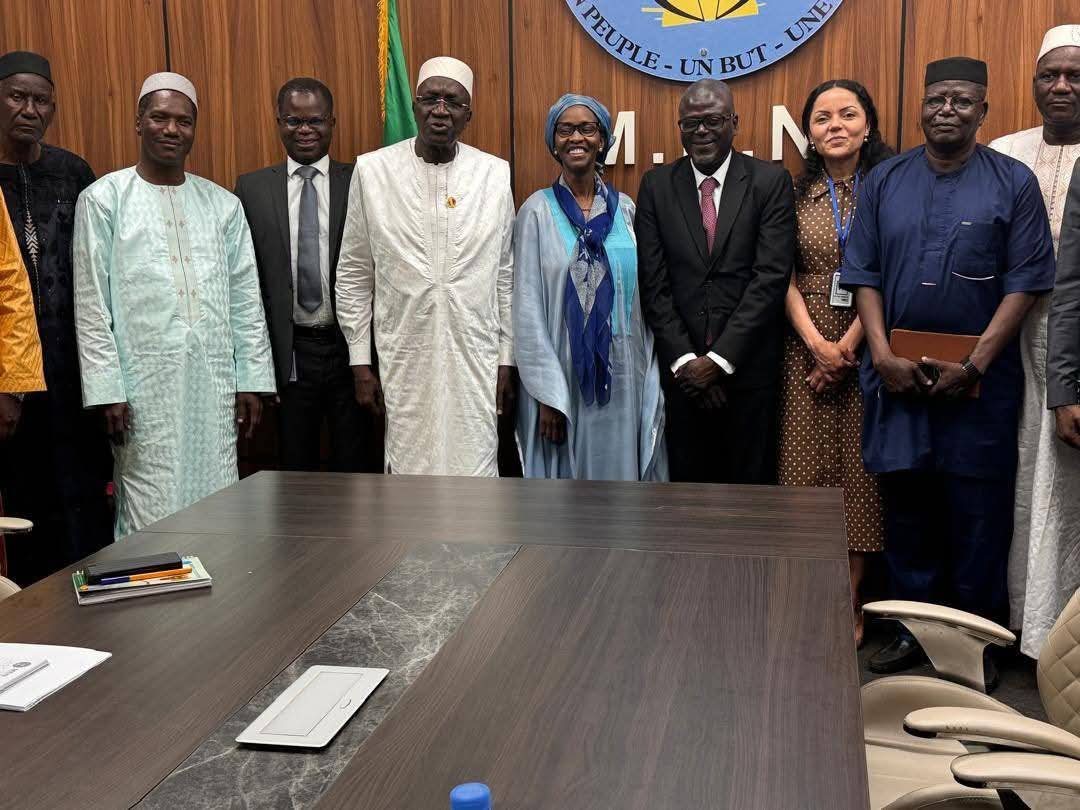
On June 1st, Amadou Sy Savané, Mali’s Minister of National Education, welcomed a high-level delegation from the World Bank led by Awa Cissé Wagué in Bamako. The meeting centered on outlining strategic projects designed to enhance human capital development and elevate educational outcomes across the nation. Discussions also explored how these efforts could align with broader national priorities, including rural electrification and agricultural modernization, to create sustainable pathways for progress.
The partnership builds on a robust history of World Bank support in Mali. In March 2026, the institution approved a landmark $150 million grant through the International Development Association (IDA) to safeguard critical services in health and education. This funding is already making a tangible difference, reaching over one million students by ensuring uninterrupted schooling, streamlining national examination processes, and upgrading learning environments nationwide.
Yet, the education landscape remains under severe strain due to ongoing security threats that have forced school closures and displaced countless families. These disruptions have not only disrupted academic continuity but have also eroded learning outcomes, leaving generations of Malian children at risk of falling further behind.
With the framework of the new collaboration now taking shape, both parties are focused on finalizing project details, securing funding mechanisms, and setting realistic timelines for implementation. For Bamako, this alliance represents more than just financial aid—it is a strategic investment in education as the cornerstone of Mali’s long-term development and resilience.