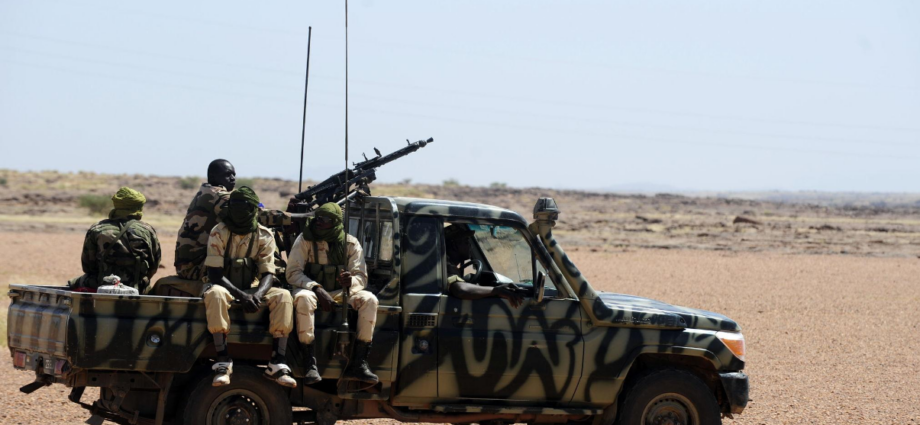
Niger’s Agadez-Arlit road left in turmoil after deadly ambush
At least eleven people have died following a violent attack on passenger buses near Agadez, northern Niger. The incident, which occurred on October 20, 2026, has raised serious concerns about the security of one of the country’s most critical transport arteries.
Deadly ambush shakes northern Niger’s transport corridor
Unconfirmed reports indicate that armed individuals targeted multiple passenger buses along the Agadez-Arlit route, approximately 35 kilometers from Agadez. The attack escalated into intense gunfire, involving security forces reportedly present on one of the buses. Provisional tolls confirm at least eleven fatalities—ten civilians and one member of Niger’s defense forces—along with several critically wounded passengers.
The exact circumstances of the attack, the identities of the assailants, and their motives remain unclear. No official confirmation or claims of responsibility have been issued at this stage. Further verification is needed as details may evolve with ongoing investigations.
Agadez-Arlit road: a vital but vulnerable lifeline
The Agadez-Arlit highway is a crucial artery for both passenger and commercial transport in northern Niger. Agadez, a historic crossroads of Saharan trade, maintains strong economic ties with Arlit, a region known for mining and commerce. For local communities, road travel is essential for accessing services, reuniting with family, and sustaining livelihoods.
Disruptions to this route not only endanger lives but also strain economic activity. Families face uncertainty, transport operators confront renewed fears of violence, and passengers may reconsider travel plans. The remoteness of the region limits alternative transport options, making the safety of this corridor a national priority.
Security challenges in Niger’s vast Saharan expanse
The attack highlights the persistent security challenges faced by Nigerien authorities in protecting major road networks. The vastness of the Sahara, the isolation of certain areas, and the difficulty in monitoring secondary routes compound the difficulties in safeguarding travelers.
Questions arise regarding the role of security forces in the incident, particularly if their presence on the bus is confirmed. Investigations will need to determine the sequence of events, the resources deployed, and the conditions under which passengers were exposed to gunfire. Effective responses must include clear communication to the public and transport sectors to enhance prevention and victim support.
Human toll demands urgent action
Beyond the provisional death toll, the attack has left grieving families awaiting answers. The critically injured require immediate medical care, while relatives of the deceased seek reliable information amid a climate of heightened insecurity. The spread of unverified reports or graphic images risks deepening distress and misinformation, underscoring the need for caution in reporting.
Path forward: clarity and protection
As authorities work to verify the attack’s details, the focus must remain on identifying victims, confirming the toll, and establishing accountability. A transparent inquiry will be crucial in reassuring the public and addressing the urgent need for enhanced protection of civilians on Niger’s roads.
For affected families, the priority is truth. For other travelers, the question remains: how can road travel be made safe again in northern Niger?
Comments are closed, but trackbacks and pingbacks are open.