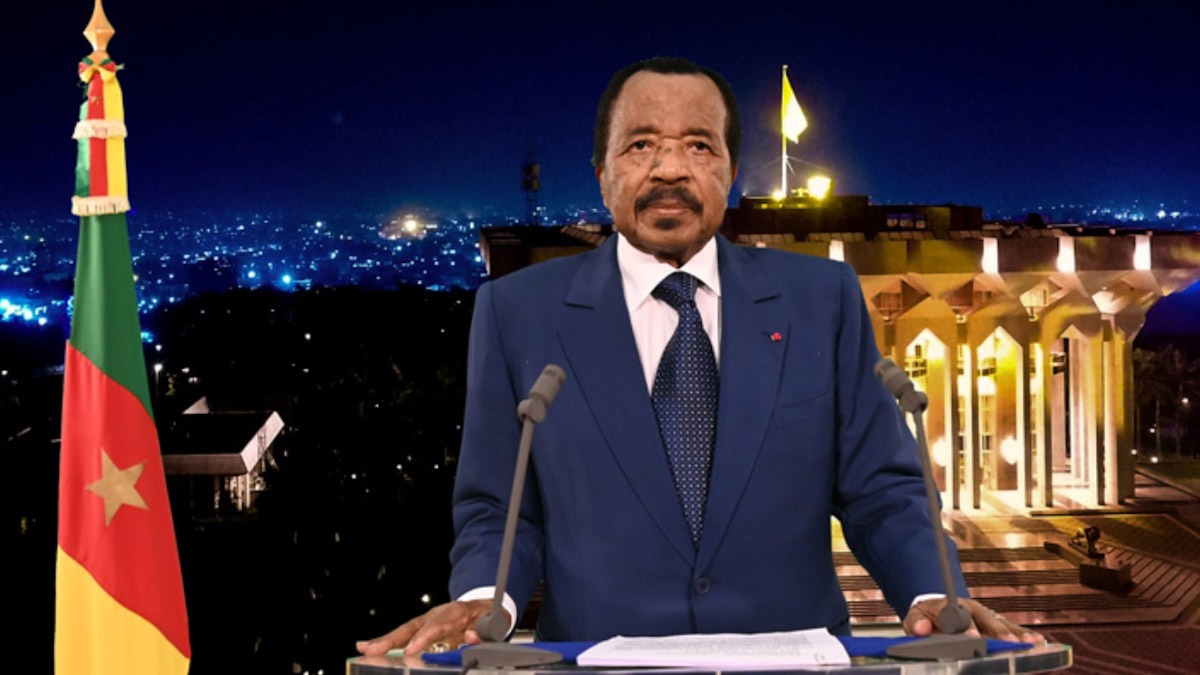
Paul Biya’s prolonged absence: is Cameroon grinding to a halt? Since June 7, 2026, when Cameroon’s president departed Yaoundé for what was described as a « short private stay in Europe, » the country has operated in an unprecedented state of limbo. Over two months later, with no public appearances or official return date, the silence at the highest level of government has transcended mere political speculation. In a nation where executive decisions hinge on the president’s authority, could this leadership void be inflicting measurable damage on the economy and the lives of ordinary citizens?
Economic paralysis: markets hesitate as Cameroon’s leadership gap widens
Cameroon’s centralized governance model places the president at the heart of economic activity. His absence has triggered a cascade of institutional and financial bottlenecks:
- Financial markets waver: Recent assessments reveal Cameroon’s dollar-denominated bonds among the continent’s weakest performers. Rating agencies highlight the absence of clear succession plans and perceived political instability, deterring international investors.
- Frozen investment projects: Major infrastructure initiatives and public-private partnerships require high-level arbitration. Without executive intervention, critical files pile up in ministerial offices, delaying fund disbursements and budget execution.
- Administrative gridlock persists: Despite a constitutional reform in April 2026 introducing the vice-presidency to mitigate leadership vacuums, the position remains unfilled. An overdue ministerial reshuffle further entrenches this paralysis, leaving key decisions in limbo.
Social strain: rising costs and frustration grip Cameroon’s citizens
For everyday Cameroonians, the institutional slowdown is taking a heavy toll:
- Inflation erodes purchasing power: Local markets continue to grapple with soaring prices for essential goods and fuel. Without responsive fiscal adjustments, household budgets are stretched to breaking point.
- Distrust and anxiety escalate: The lack of official updates fuels rampant speculation across social media. This information blackout has fostered widespread resentment among the public and youth, stoking social tensions.
- Neglected crises deepen: Critical issues such as the Anglophone crisis in the North-West and South-West regions, youth unemployment, and crumbling infrastructure lack the political momentum needed for sustainable solutions.
Leadership void exposes Cameroon’s structural vulnerabilities
The prolonged absence of President Paul Biya has laid bare the fragility of Cameroon’s institutional framework. It underscores how an over-reliance on a single leader compromises the entire socio-economic apparatus when that leader steps away.
To restore investor confidence and social stability, an immediate return to normal governance and decisive action on pending reforms is no longer optional—it is imperative.
Comments are closed, but trackbacks and pingbacks are open.