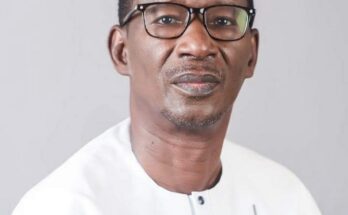
Managing Senegal’s public debt is no longer just a financial puzzle—it has become a high-stakes political battleground. The rigid timelines of electoral mandates, locked at five years, clash with the long-term horizons of financial markets, which operate in decades. This fundamental mismatch lies at the heart of the debate, as highlighted by Ndèye Nangho Dioum, a tax and land inspector, who reframes the issue as a universal challenge: the unpopular decisions leaders must make to secure public finance stability.
The discussion begins with a poignant reference to a quote from Bill Clinton, underscoring the inevitable moment when heads of state face painful trade-offs, hoping political winds will eventually shift in their favor. This analogy cuts to the core of Senegal’s dilemma—how to steer a battered fiscal trajectory while meeting the high expectations of a population that demands immediate results.
Election cycles vs. long-term fiscal planning
The concept of political timing, a cornerstone of public choice theory as developed by James M. Buchanan, reveals a structural flaw in democratic systems. Leaders often prioritize policies with short-term payoffs, pushing costs beyond their tenure. This inherent bias fuels debt accumulation, even in advanced economies.
In Senegal, this phenomenon has taken on new urgency following a 2024 public finance audit, which uncovered a debt stock far exceeding previously reported figures. The revelation of understated liabilities has strained relations with multilateral partners, including the International Monetary Fund (IMF), and weighed heavily on the country’s sovereign credit rating. Restoring fiscal transparency is now essential—but at a steep political cost.
The impossible trade-off between fiscal discipline and public support
Slashing deficits requires unpopular measures: cutting energy subsidies, trimming bloated public sector payrolls, broadening the tax base, and adjusting utility tariffs. Each of these steps creates immediate losers, while the benefits—debt sustainability and fiscal breathing room—only materialize years later. This time lag is the single biggest hurdle to implementing structural reforms.
Senegal’s situation is further complicated by its membership in the Franc Zone. The fixed exchange rate of the West African CFA franc to the euro strips authorities of monetary tools to cushion economic shocks. Adjustments must come entirely through fiscal policy, magnifying the social impact of every spending decision. In practice, every budget cut trickles down to households, with no monetary buffer to soften the blow.
Rebuilding trust in Senegal’s financial credibility
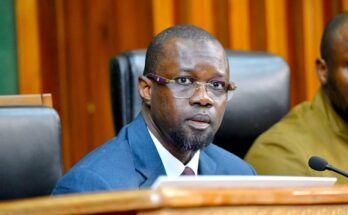
Since assuming office in April 2024, President Bassirou Diomaye Faye and Prime Minister Ousmane Sonko have pledged to overhaul the economy, framing it as a break from past practices. Restoring credibility with global investors and international lenders ranks high on their agenda. Yet, the recent spike in spreads on Senegal’s eurobonds signals lingering skepticism, suggesting that trust remains fragile.
Boosting domestic revenue is another pillar of the strategy. The tax administration, where the author of this analysis works, is tasked with tightening loopholes, reducing exemptions, and cracking down on tax evasion. While largely a technical challenge, this effort demands sustained political backing, as it inevitably clashes with entrenched interests.
The underlying message is clear: political maturity is measured by the courage to make sacrifices today for tomorrow’s gains. As neighboring West African nations renegotiate debt terms or teeter on liquidity crises, Senegal is playing a high-stakes game that extends beyond its borders. Fiscal discipline, when communicated with clarity, can once again become a political asset.