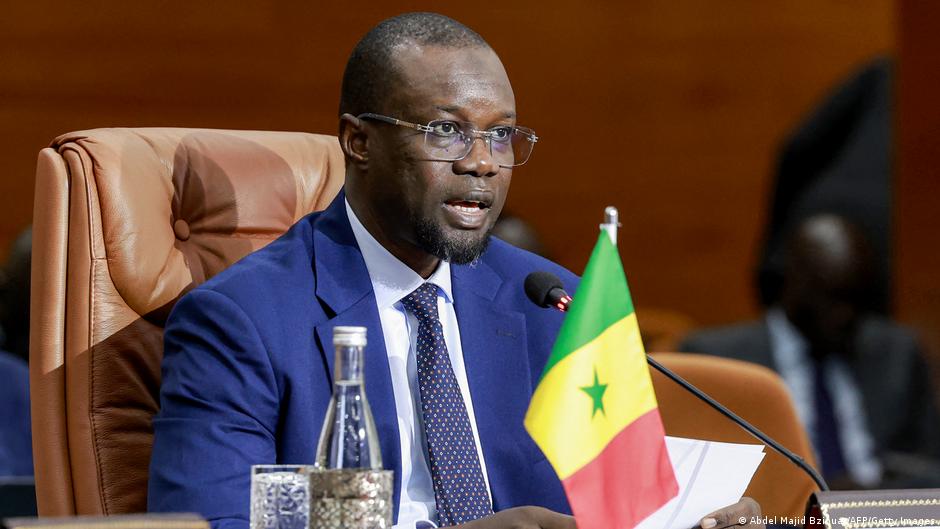
Dissenting voices in Senegal are increasingly cautious about openly criticizing Ousmane Sonko, leader of the ruling Pastef party and newly appointed Speaker of the National Assembly. The reluctance stems from the aggressive online campaigns orchestrated by his most fervent supporters, which have created a climate of intimidation across digital platforms.
The intensity of these online attacks has led to a troubling form of self-censorship among journalists, civil society figures, and political opponents. Many now avoid public criticism of Sonko, fearing not only digital backlash but also potential physical repercussions. This environment has significantly narrowed the space for open political debate in the country.
Targets of verbal threats and judicial pressure
Since assuming office as Prime Minister in early April 2024, Ousmane Sonko has made it clear that he intends to reshape the media landscape. In a pointed statement, he declared:
“We will no longer tolerate media outlets publishing unverified claims about individuals under the guise of press freedom. Reliable sources are non-negotiable.”
Sonko has also repeatedly challenged the integrity of Senegal’s judicial system. In November 2025, during a public address as Prime Minister, he accused certain magistrates of deliberately obstructing financial investigations—allegations that were met with strong condemnation from the judiciary.
Eroding women’s rights in Senegal
Women’s rights activists in Senegal are sounding the alarm over a concerning regression in gender equality. According to Ossama Monique Sagna, a prominent Senegalese feminist advocate:
“The current government has appointed fewer women to ministerial positions compared to the final cabinet of former President Macky Sall’s administration. This represents a clear setback in political representation for women in decision-making roles.”
While Sall’s last government included seven female ministers, Sonko’s cabinet—before his recent dismissal—had only four, accounting for approximately 13% of the total. This decline has sparked widespread criticism and disappointment among the public.
Sagna further highlights that key feminist demands remain unaddressed:
- The delayed reform of the Family Code, which continues to uphold discriminatory provisions against women;
- The lack of progress in implementing the Maputo Protocol, particularly regarding reproductive rights and protection against gender-based violence;
- The alarming rise in femicides, with 18 reported cases in 2025 alone, reflecting a growing crisis that authorities have yet to adequately confront.
These persistent challenges underscore the stagnation in advancing women’s rights in Senegal, despite decades of advocacy and legal frameworks designed to protect them.