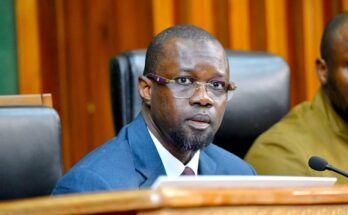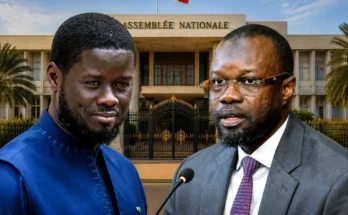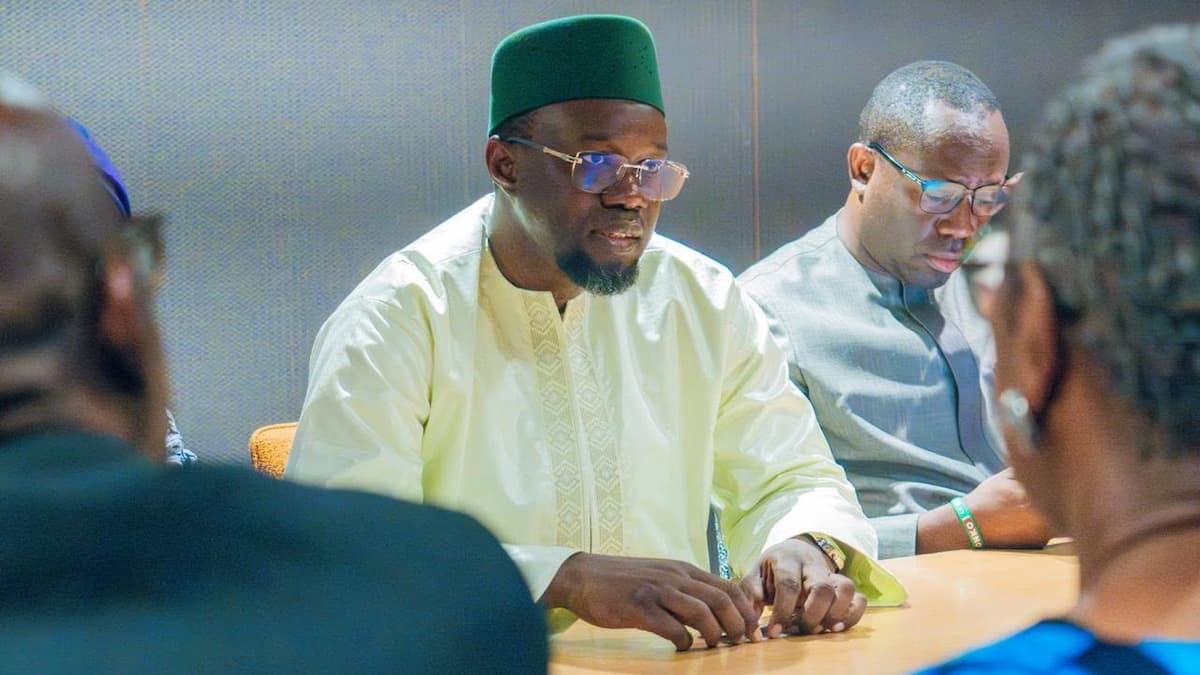
In a fresh twist in Senegal’s political and judicial landscape, the Supreme Court’s urgent applications judge has declined to rule on the matter of Ousmane Sonko’s reinstatement as a deputy. The court deemed the issue to fall under the internal affairs of the parliamentary institution, areas where the highest judiciary has no mandate to intervene.
This decision follows a petition filed by the Union nationale des indépendants du Sénégal, which challenged the validity of the procedure that allowed Sonko to reclaim his parliamentary seat before later being elected president of the National Assembly. The controversy has now reached two key judicial bodies—the Supreme Court and the Constitutional Council—both of which have declined to rule on the merits of the opposition’s objections.
Earlier this year, the Constitutional Council also declared itself unable to adjudicate on a similar appeal lodged by eighteen opposition lawmakers. The council argued that the contested act did not directly relate to the electoral process and thus fell outside its jurisdiction over the fairness of national elections.
Legal experts and opposition figures have sharply criticized the Supreme Court’s latest stance. Prominent attorney Amadou Guèye condemned the decision as a breach of legal order, echoing concerns raised by jurists and political leaders who warn of a growing legal vacuum surrounding Sonko’s parliamentary return. Sonko himself has framed these legal challenges as part of a politically motivated conspiracy, accusing his opponents of weaponizing the judiciary to undermine his legitimacy.
While the urgent application was dismissed, the substantive appeal remains pending. This prolonged uncertainty has intensified the standoff between Sonko’s parliamentary allies and sections of the opposition, who continue to pursue legal avenues without securing a decisive ruling in their favor.