Tchad’s democratic backslide: opposition leaders handed harsh sentences
The Tchadian authorities have taken another decisive step toward tightening their grip on power by sentencing eight opposition figures to eight years in prison. These leaders, part of the Groupe de concertation des acteurs politiques (GCAP), were arrested two weeks before a planned protest on May 2 to voice concerns over the country’s governance crisis. Their conviction follows the recent dissolution of the GCAP by the Supreme Court, effectively silencing the nation’s main opposition coalition.
The crackdown extends to Succès Masra, leader of the Transformers party, who was handed a 20-year prison sentence in August 2025 on charges of incitement to hatred. With these moves, the Mouvement patriotique du salut (MPS), the president’s party, now faces virtually no credible opposition, raising serious questions about the future of democracy in the country.
Judicial system weaponized to silence dissent
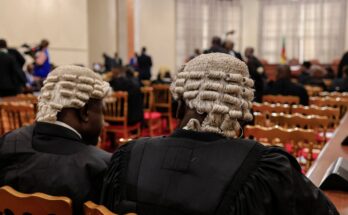
The prosecution of the GCAP leaders, conducted in a swift trial, relied on controversial charges such as conspiracy, insurrection, and illegal arms possession. Their legal team has vehemently denied these accusations, arguing that the case was politically motivated. Since October 2022, when security forces killed approximately 200 protesters during a crackdown, public demonstrations have been systematically banned—another sign of the regime’s tightening control.
International observers have raised concerns about the normalization of excessive force, even in routine situations. Earlier in April, militants commemorating the eighth anniversary of the Transformers party were attacked, resulting in one fatality, two serious injuries, and the abduction and torture of the party’s treasurer. While authorities claim to be investigating the incident, such violence has become disturbingly common in recent years.
From transition to authoritarianism: a familiar cycle
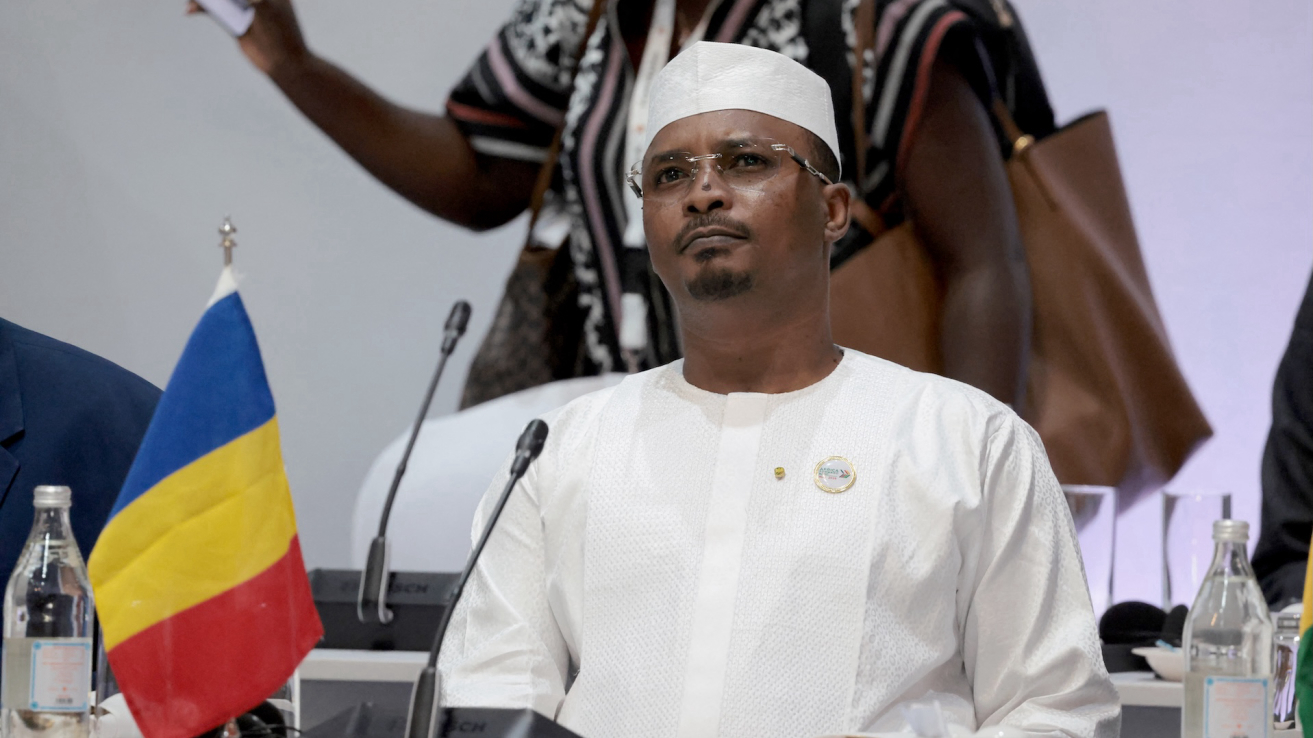
The erosion of democratic freedoms in Tchad has accelerated since the 2021 political transition following the death of former president Idriss Déby Itno. The current leadership appears determined to replicate the authoritarian patterns of past regimes, including those of François Tombalbaye (1960–1975) and Hissène Habré (1982–1990), both of whom ruled through single-party systems and suppressed dissent. These periods were marked by the suppression of opposition voices, state-controlled propaganda, and the elimination of term limits—echoing recent constitutional amendments that extended the presidential term to seven years in October 2025.
The history of Tchad is one of recurring instability, with military coups, insurgencies, and violent crackdowns shaping its political landscape since independence in 1960. Déby himself was killed in 2021 while confronting rebel forces, continuing a cycle of political violence that has persisted for decades.
What lies ahead for Tchad’s democracy?
Experts warn that the regime’s heavy-handed tactics risk radicalizing the population, particularly the youth, by denying them peaceful avenues for expression. The international community, including the United Nations, has reiterated the importance of upholding fundamental freedoms—freedom of expression, association, and peaceful assembly—as enshrined in human rights law. Yet, with opposition voices silenced and dissent criminalized, the prospects for inclusive dialogue remain slim.
To prevent further escalation, analysts urge the government to adopt proportional policing strategies, revise crowd-control doctrines, and allow independent oversight of security operations. Regional bodies such as the African Union and the Economic Community of Central African States must also play a more active role in advocating for dialogue and constitutional safeguards. Without urgent action, Tchad risks sliding back into the authoritarianism of its past, with little hope for a democratic future.