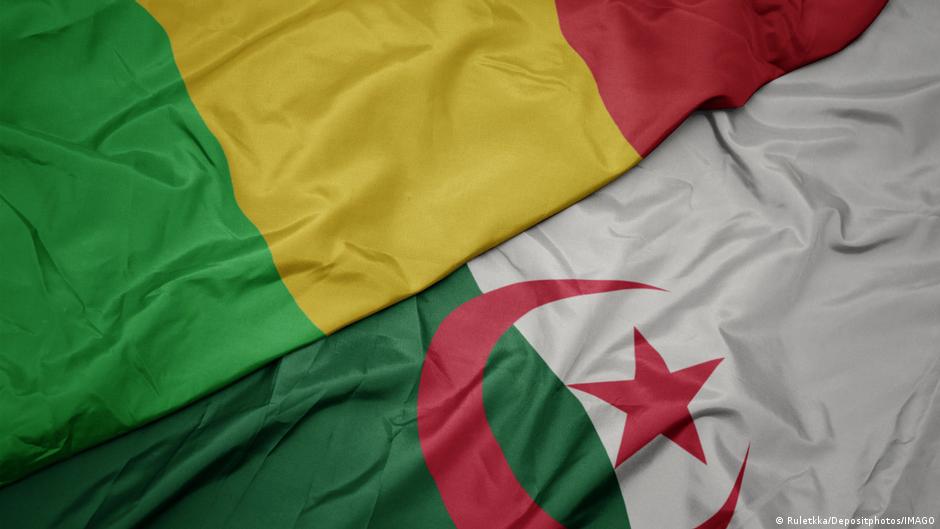
warming ties between Mali and Algeria spark hope for stability
The fragile détente emerging between Bamako and Algiers follows a period of heightened tensions that peaked in early 2025. Tensions escalated after Mali shot down an Algerian drone near Tinzawatene, a border village straddling the 1,300-kilometer frontier. Mali promptly took the dispute to the International Court of Justice, accusing Algeria of “interference and alleged ties with terrorist groups.”
Relations had already been strained since January 2024, when Malian authorities abandoned the 2015 Algiers Peace Accord, opting instead for a military solution to reclaim northern regions, particularly Kidal. Among the grievances aired by Malian officials was Algeria’s reported hosting of former Kidal rebel leaders and influential cleric Imam Mahmoud Dicko—a figure once allied with the military elite before falling out with them.
a legacy of deep ties
Despite recent friction, the historical and economic bonds between the two nations remain unbroken. Boubacar Mahamane Maiga, a civil society leader from Tombouctou, emphasizes the enduring nature of these connections. “For centuries, Mali and Algeria have shared not just diplomacy, but brotherhood. Algeria has long been the economic lifeline for Tombouctou—trade routes, caravan trails, and even spices like Tawabel, sourced from Touat in Algeria, have sustained our region.”
new opportunities for regional security
Political analyst Kaou Abdrahamane Diallo sees the thaw as a potential turning point. “Mali cannot afford porous borders or instability in its north. We hope Algeria and all partners will support this détente to restore strong, peaceful relations. Algeria remains a key ally that has supported Mali—and vice versa—in the past. Restoring our former closeness would benefit us both.”
Behind the scenes, Russia played a mediating role through Foreign Minister Sergei Lavrov, underscoring Moscow’s vested interest in “maintaining harmony among its allies to preserve stability in the Sahel.”
Comments are closed, but trackbacks and pingbacks are open.