Water Takes Center Stage as Africa’s Strategic Frontier

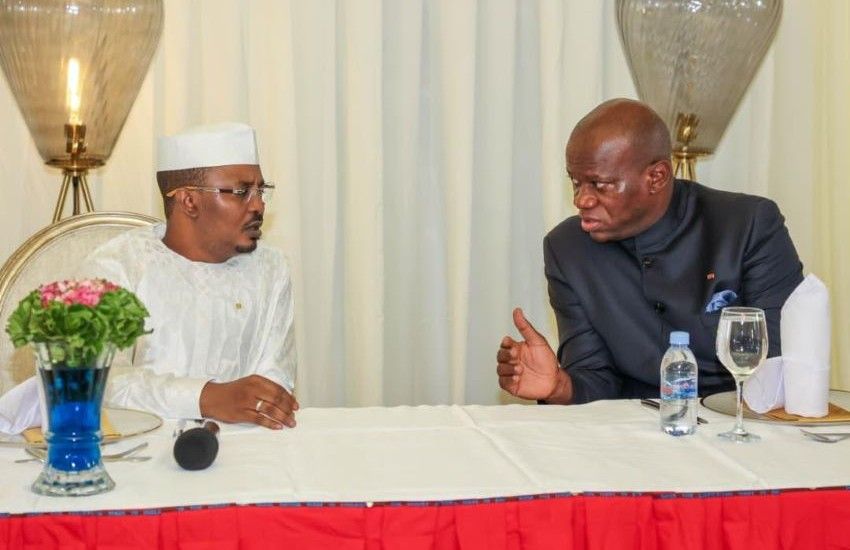
N’Djamena, 15 July 2026 — When African heads of state gathered in Chad’s capital this week, they weren’t just attending another summit. They were addressing one of the continent’s most pressing challenges: water security.
The African Water Forum, co-hosted by the Government of Chad and the World Bank, brought together leaders from across the continent to confront a paradox that threatens Africa’s future. While the continent holds nearly 9% of the world’s renewable freshwater, millions still lack access to clean drinking water or basic sanitation. This imbalance is no longer just an environmental concern—it’s a matter of economic survival, social stability, and continental sovereignty.
Water as the New Geopolitical Battleground
For decades, water was seen as a humanitarian issue. Today, it has become a strategic resource whose control and management will shape Africa’s economic and political landscape. Without reliable water infrastructure, agriculture cannot thrive, industries cannot expand, and health systems remain vulnerable. Experts warn that future conflicts may arise not only over oil or minerals, but over water rights and access.
The Forum, themed “From Vision to Action,” is a direct response to this urgency. Its goal: to turn policy commitments into tangible investments in dams, water treatment plants, distribution networks, and sanitation systems across Africa. The World Bank estimates that the continent needs tens of billions of dollars annually to close its water access gap—a gap that, if left unaddressed, could deepen inequality and instability.
Gabon Steps Up with a Continental Commitment
President Brice Clotaire Oligui Nguema of Gabon arrived in N’Djamena not just as a participant, but as a champion of regional cooperation. Gabon, despite its abundant water resources, faces challenges common to many African nations: rapid urbanization, aging infrastructure, and rising demand. By attending the Forum, the President signaled Gabon’s intent to align its national water reforms with a broader African strategy.
The visit underscored a key reality: water security cannot be achieved in isolation. Shared river basins, transboundary aquifers, and cross-border projects demand coordinated governance. Gabon’s participation reflects a growing recognition that sustainable water management requires not only domestic investment, but also regional partnerships and international financing.
From Policy to Pipeline: The Infrastructure Imperative
The Forum made one thing clear: Africa has no shortage of water strategies. What it lacks is execution. Barrages must be built, pipelines laid, treatment plants commissioned. Every delay in infrastructure development translates into lost economic potential and heightened social risk.
President Oligui Nguema’s presence in Chad sent a strong message: Gabon is ready to play its part. Whether through technical innovation, financial mobilization, or policy reform, the country is positioning itself as a leader in Africa’s water revolution—a revolution that will determine whether the continent’s natural wealth translates into shared prosperity or remains a source of division.
The stakes are clear. The future of Africa’s youth, its industries, and its stability hinges on how effectively the continent secures, shares, and sustains its most vital resource: water.
Comments are closed, but trackbacks and pingbacks are open.