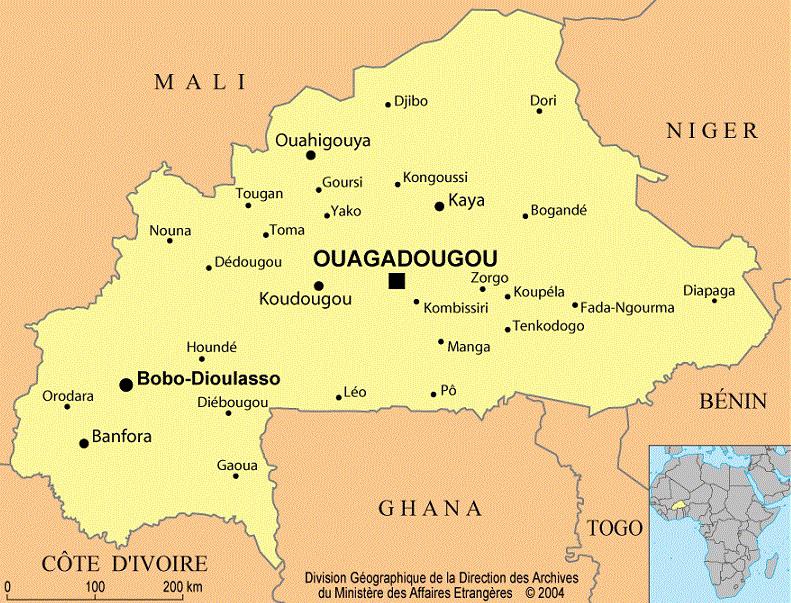
A week has passed since his last public appearance, and a cloud of uncertainty now hovers over the fate of Imam Mahmoud Barro. This influential religious figure from Bobo-Dioulasso, Burkina Faso’s second-largest city, has been reported missing since March 31st. Amidst swirling rumors of abduction and a conspicuous silence from official channels, his unexplained disappearance has ignited profound concern within the Muslim community and across Burkinabè civil society.
An unsettling quiet now pervades Imam Barro’s neighborhood in Bobo-Dioulasso. For seven days, his family and close associates have received no communication. Several consistent accounts from his immediate circle suggest that the esteemed religious leader was “abducted” by unidentified individuals. While no group has claimed responsibility for his disappearance, the timing of this event has raised numerous questions and fueled speculation.
A Critical Video: The Potential Catalyst?
Until recently, Mahmoud Barro was widely considered a significant supporter of Burkina Faso’s Transitional authorities. His previous public statements endorsing the military junta in power in Ouagadougou positioned him as a valuable ally within the nation’s religious landscape.
However, this apparent harmony appears to have abruptly ceased following the recent circulation of a video across social media platforms. In this footage, the Imam vehemently criticized the government’s draft bill aimed at regulating religious practices within Burkina Faso.
“He voiced legitimate concerns about freedom of worship, but his tone was exceptionally direct,” revealed a local source, speaking anonymously. “Many interpreted this public critique as crossing a red line for those who do not tolerate dissent.”
Escalating Tensions for Dissenting Voices
This unsettling disappearance unfolds against a backdrop of heightened security and political tension across Burkina Faso, where reports of forced disappearances and extrajudicial arrests are increasingly common. The case of Imam Barro is particularly striking because it involves a prominent personality who, until this incident, had largely aligned himself with the official government stance.
As of now, Burkinabè security authorities have issued no official statements regarding Imam Barro’s situation. In Bobo-Dioulasso, the prolonged wait has given way to escalating frustration. Both his devoted followers and various human rights organizations are urgently demanding transparency and the immediate release of the religious leader, should he indeed be in state custody.
Burkina Faso, deeply embroiled in a complex struggle against terrorism, faces further destabilization of its internal equilibrium due to these growing tensions between the central government and influential moral authorities, especially when public critique emerges. The disappearance of Imam Mahmoud Barro could prove to be a significant test for social cohesion, particularly within the Hauts-Bassins region and the nation at large.