Ouagadougou hosts pivotal meeting to shape Burkina Faso’s aquaculture future
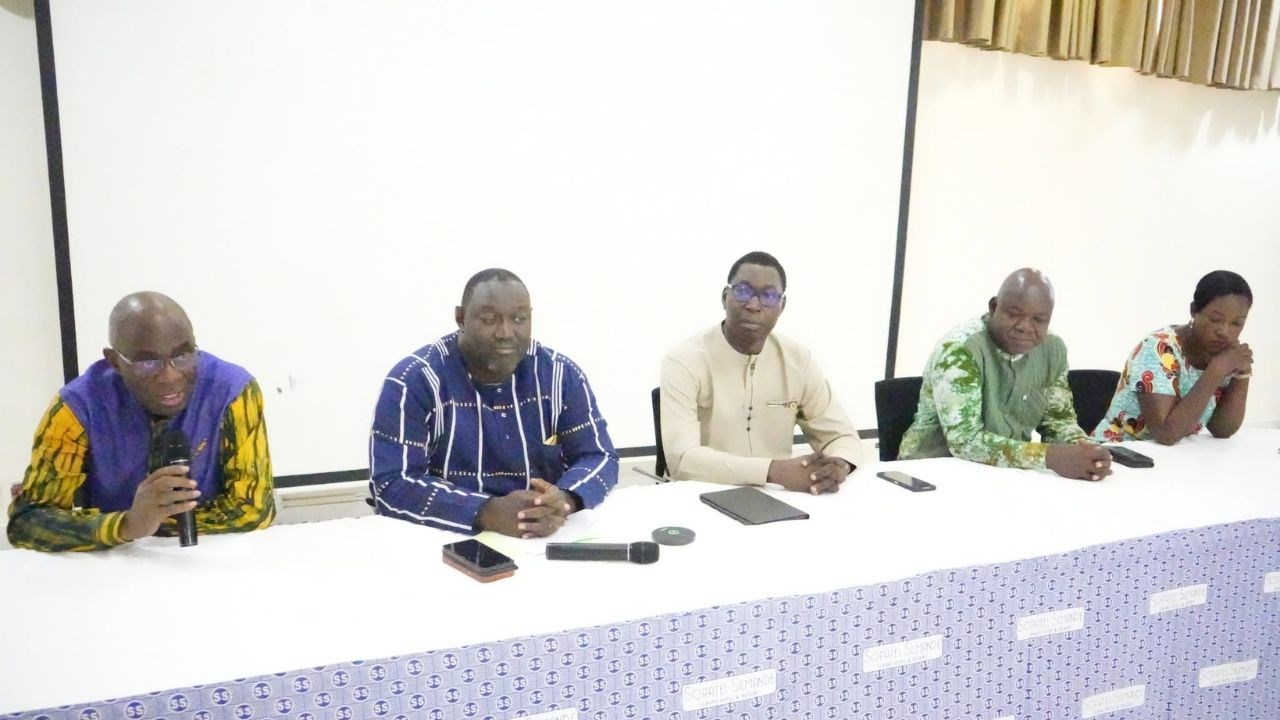
In a landmark gathering held in Ouagadougou, stakeholders from Burkina Faso’s aquaculture sector have officially endorsed a series of strategic documents designed to propel sustainable growth within the industry. These include a comprehensive sector diagnosis, an investment roadmap, and an operational guide, all crafted to steer both public policies and private investments toward a thriving aquaculture ecosystem. The announcement, made during the event, underscores the nation’s commitment to transforming its aquatic resources into a cornerstone of food security.
The initiative aligns seamlessly with the Sahel RESILAND regional program, a forward-looking initiative aimed at bolstering the resilience of Sahelian landscapes and the communities dependent on them. The program’s core focus includes sustainable land and water resource management, ecosystem restoration, and economic diversification in rural areas. By fostering job creation and enhancing livelihoods, it seeks to address the pressing challenges faced by rural populations across the region.
A key pillar of this strategy is knowledge generation, which serves as the foundation for informed decision-making in public policy and targeted interventions. This framework has paved the way for the Africa Sustainable Aquaculture initiative, a collaborative effort spanning several Sahelian countries, including Burkina Faso, Mali, Niger, and Chad. The initiative’s mission is to produce in-depth national diagnostics and craft coherent investment pathways to ensure the long-term sustainability of the aquaculture sector.
Through meticulous analysis, the initiative has unveiled Burkina Faso’s untapped aquaculture potential alongside its structural constraints. The findings have culminated in the creation of an investment roadmap that highlights strategic priorities, financing needs, and implementation mechanisms. Additionally, a dedicated guide has been developed to assist both public and private project leaders in navigating their initiatives effectively.
National ambitions meet regional collaboration
Speaking at the event, Issiaka Zouri, Study Coordinator at the General Secretariat of Burkina Faso’s Ministry of Agriculture, Water, and Animal and Fisheries Resources, praised the collaborative efforts that led to these breakthroughs. He emphasized how the initiative aligns with the country’s broader goals of advancing animal and fisheries production, as outlined in the National Agropastoral and Fisheries Offensive.
Highlighting Burkina Faso’s advantages, Zouri noted the nation’s abundant water resources and the largely untapped potential of its fisheries sector. He expressed confidence that implementing the strategic recommendations from these documents will not only strengthen the aquaculture value chain but also enhance domestic fish production, improve food and nutritional security, and unlock new economic opportunities for youth and women.