Burkina Faso calls for decisive african union reforms
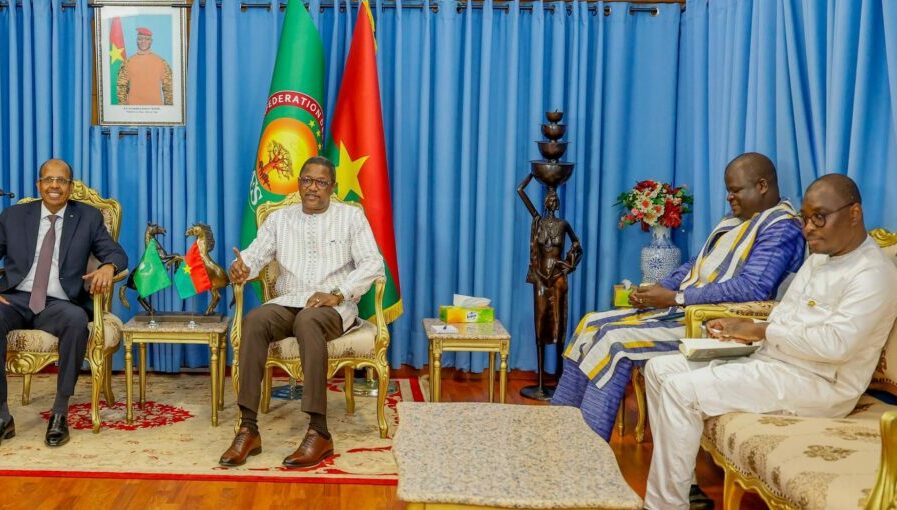
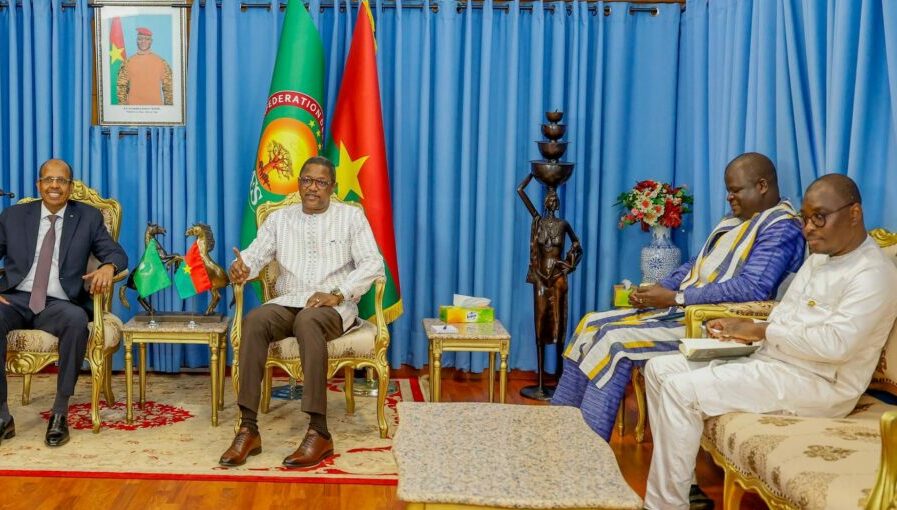
On July 15, Burkina Faso’s Minister of Foreign Affairs, Karamoko Jean Marie Traoré, held a pivotal meeting with Mahamoud Ali Youssouf, Chair of the African Union (AU) Commission. The encounter took place as Youssouf embarked on a regional tour spanning Mali, Niger, and Burkina Faso—three nations united under the Alliance of Sahel States (AES).
During the discussions, both leaders examined the current state of AU-Burkina Faso collaboration, with a broader focus on relations between the continental body and the AES. A statement from Burkina Faso’s Foreign Ministry outlined the key topics addressed, including the nation’s political and security landscape, cross-border dynamics with neighboring countries, the ECOWAS-AES dialogue process, and the urgent need for structural reforms within the AU.
Youssouf emphasized that his visit aimed to revitalize AU engagement with Burkina Faso, emphasizing principles of integration and mutual support. Highlighting the Sahel’s pressing challenges, he outlined the AU’s three-pillar strategy—governance, security, and development—as the foundation for sustainable progress.
The AU Chair underscored the organization’s commitment to deepening ties with Burkina Faso by activating specialized AU agencies in the country and launching initiatives that deliver tangible benefits to local communities.
For his part, Traoré traced the origins of the AES, born out of the continent’s failure to demonstrate solidarity amid escalating security crises. He urged the AU to implement bold, unbiased reforms to prevent further disillusionment among member states forced to take independent action to protect their citizens and sovereignty.
The Burkinabe diplomat outlined a roadmap for a modern AU, stressing financial autonomy as critical to reducing external dependencies that constrain strategic decision-making. He also championed enhanced communication as a tool to showcase member states’ advancements and counter external media distortions.
Traoré further advocated for a proximity diplomacy approach, prioritizing inclusivity in the AU’s operations to foster stronger continental cohesion.