Military strikes cripple rebel cannabis operations in southern Senegal
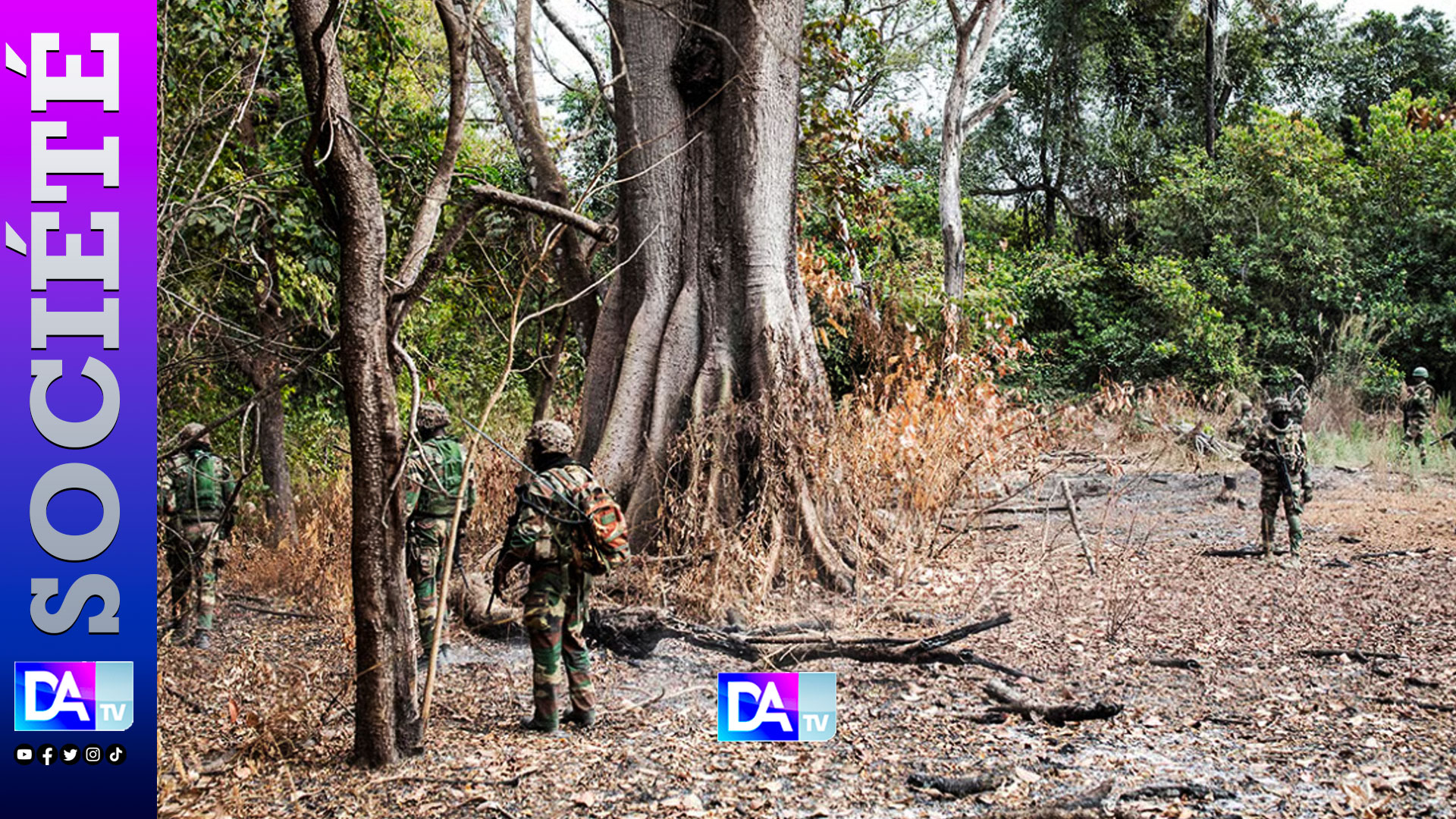
Soldiers and gendarmes from the Sénégal Armed Forces, supported by sniffer dogs, dismantled cannabis cultivation sites in Casamance in early May. This latest operation marks another chapter in one of Africa’s longest-running conflicts, dormant for 43 years in the southern regions of the country despite the near-collapse of the separatist rebellion.
The crackdown occurred near the Gambia border, where fighters from the Mouvement des forces démocratiques de Casamance (MFDC)—engaged since December 1982 in a bid for regional independence—have traditionally operated. According to Colonel Cheikh Guèye, regional army commander in Ziguinchor, the operation proceeded “without major difficulties,” resulting in 14 arrests, the seizure of military-grade weapons, and over six tons of cannabis.
The MFDC, once a formidable force, now faces severe decline. “The rebellion has suffered heavy losses and today operates with residual troops,” explains a security analyst familiar with the dossier. “Recruitment has halted, and aging combatants struggle to sustain operations as the army strengthens its personnel and equipment.”
Internal divisions further weaken the movement. “Political and military factions are deeply fractured, and arms supply lines have been severed,” notes the analyst. “Neighboring Gambia and Guinée-Bissau, once safe havens, now cooperate with Dakar to curb rebel activities.”
Local support for the rebellion has also eroded. “Communities that once backed the MFDC politically and emotionally are turning away,” says a civil society leader from Casamance. “Decades of conflict have led to disillusionment, and people now prioritize peace over independence.”
National political shifts have further dampened rebel morale. The rise of leaders from Casamance—including Prime Minister Ousmane Sonko, head of the country’s ruling party—has given residents a sense of inclusion in Sénégal’s political landscape. “They feel their region is finally being recognized,” the source adds.
“40 years without controlling a single village”
During a mid-March visit to Ziguinchor, Prime Minister Sonko declared that the MFDC had “fought for over 40 years without ever seizing control of a single village.” His remarks followed a March 17 incident in which three soldiers died and three others were injured in an accidental explosion during anti-cannabis operations. Earlier that month, another soldier was killed, and six were wounded.
In November 2025, a soldier held captive for seven months by an armed group was released. Sonko emphasized the government’s resolve: “We do not believe the maquisards still pursue independence as anything but a principle. The real issue is cannabis cultivation. We will deploy all necessary means to eradicate it.”
The colonel echoed this stance, calling the May operation a direct strike at rebel financing: “Cannabis provides armed bands with substantial revenue to fund their activities. This campaign targets the heart of their economy and war chest.”
While rebel bases in Guinée-Bissau were dismantled in 2021, recent clashes have shifted to the Nord Sindian area near the Gambia border—a region plagued by dense forests, isolation, and limited economic opportunities for local populations.
Peace agreements stall amid lingering armed resistance
The Nord Sindian region’s remoteness—despite its agricultural potential—makes it a hotspot for illicit trade. “Its dense forests and poor infrastructure force impoverished communities to rely on illegal activities,” explains Mamadou Sadio, a former elite army officer. Some locals have even sought religious justification for cannabis cultivation, asking imams whether it aligns with Islamic law.
Prime Minister Sonko has extended an olive branch to the MFDC but issued a firm warning: “We cannot tolerate the loss of even an inch of national territory.”
This week, civil society groups near Ziguinchor marked the third anniversary of a peace accord between a rebel faction and the government. Another agreement, signed in February 2025 with a different faction in Bissau, has shown mixed results, with several past accords failing to take hold.
Across most of Casamance, displaced populations are gradually returning to their villages as hostilities ease and partial disarmament progresses. “Refugees and internally displaced persons are slowly resettling,” says the civil society leader. “But peace remains fragile. Some armed elements refuse to lay down their weapons.”
Comments are closed, but trackbacks and pingbacks are open.