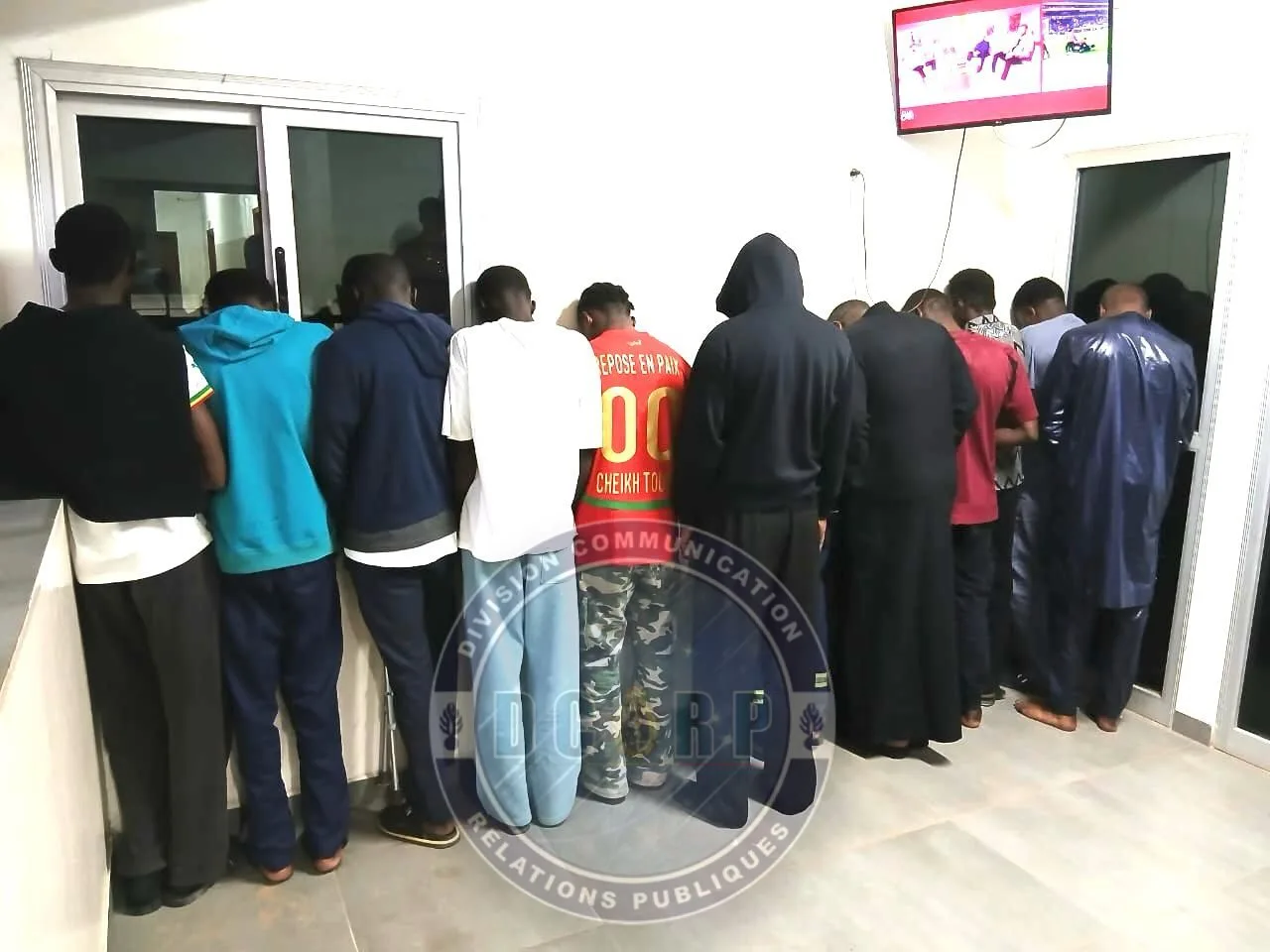
Public reaction has erupted following a recent television segment examining the challenges faced by LGBTQ+ individuals in Senegal. The broadcast, aired in primetime, alleged widespread violence against homosexuals, igniting fierce criticism from viewers who accuse the coverage of distortion and bias.
key claims and public outcry
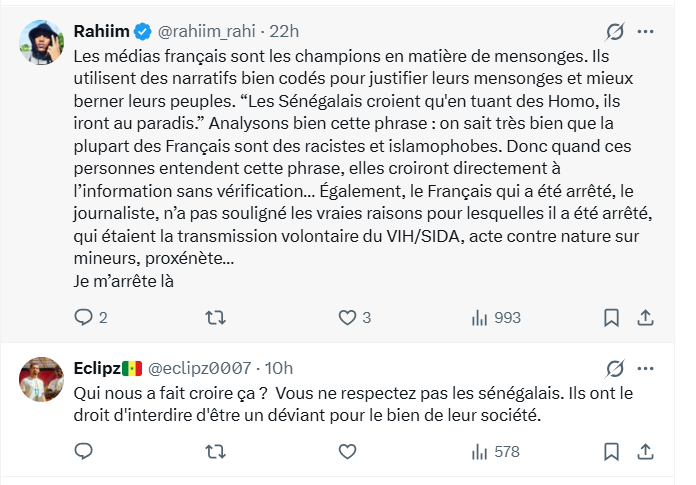
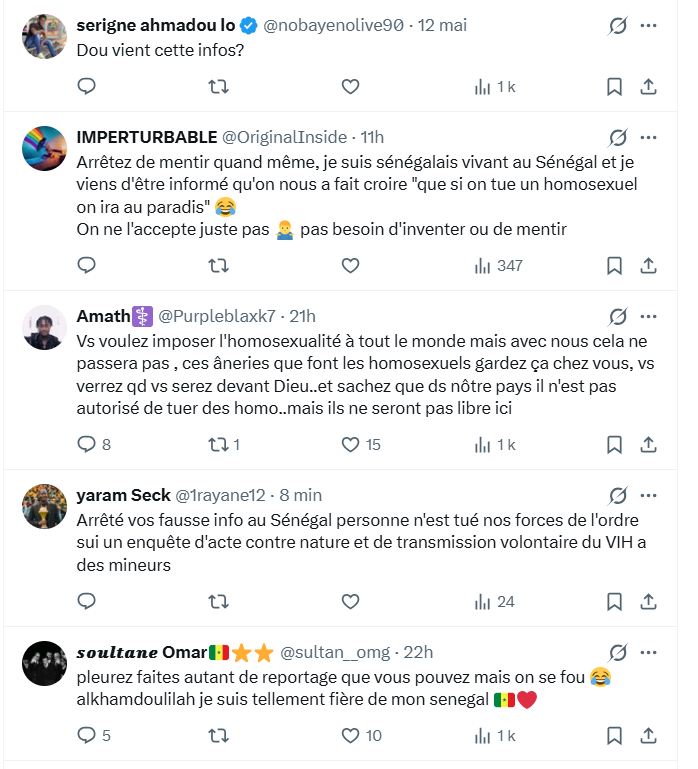
At the heart of the uproar is testimony from an unnamed Senegalese individual who suggested a widespread belief exists in the country that killing homosexuals could guarantee entry to paradise. The claim, broadcast without verification, was met with immediate skepticism. Social media erupted with denials, with many users asserting they had never encountered such a notion in Senegalese society.
The controversy deepened when viewers pointed out that legal proceedings currently underway in Senegal involve charges of deliberate transmission of HIV, not sexual orientation alone. Critics argue the report deliberately omitted this critical context, presenting a one-sided narrative that overlooks the legal framework governing recent arrests.
medical experts weigh in
Health professionals from Senegal’s National AIDS Control Center were interviewed for the segment, yet the broadcast failed to address the legal distinction between homosexuality and the specific crime of intentional virus transmission. This omission fueled accusations that the report was designed to manipulate public perception rather than inform it.
Many Senegalese viewers described the coverage as an example of media distortion, arguing that it prioritized sensationalism over accuracy. The debate extends beyond national borders, with observers questioning the ethics of international reporting that may misrepresent local realities.
Comments are closed, but trackbacks and pingbacks are open.