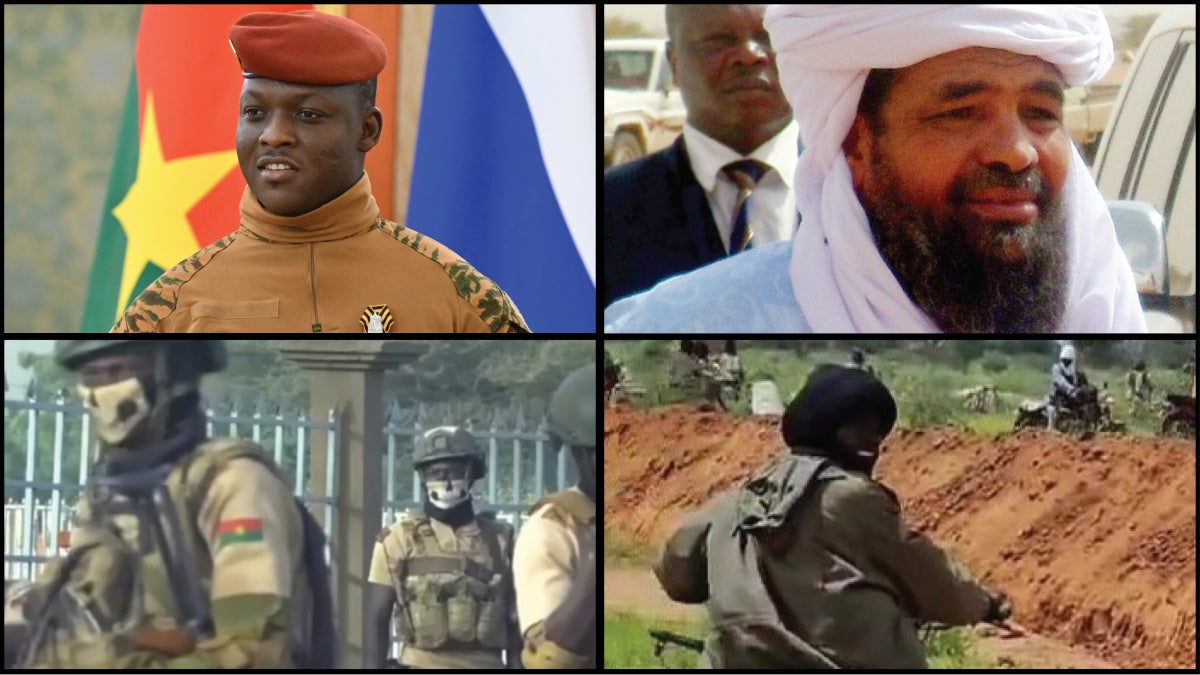
The conflict in Burkina Faso has escalated into a humanitarian catastrophe, with all armed factions—including government forces, allied militias, and Al-Qaeda-linked armed groups—perpetrating crimes against humanity and war crimes against civilians since 2023.
mass killings and forced displacement
Human Rights Watch documents that since the 2022 military takeover, more than 1,800 civilians have been killed, and tens of thousands forcibly displaced. The report highlights 57 verified incidents involving:
- Burkinabè armed forces and their allied militias, known as Volontaires pour la Défense de la Patrie (VDP)
- Jama’at Nusrat al-Islam wa al-Muslimin (JNIM), an Al-Qaeda-affiliated group
The junta’s repression extends beyond armed conflict, targeting political opposition, dissent, and independent media, creating an environment of fear and restricting information flows about the crisis.
government-backed atrocities and ethnic cleansing
Under President Ibrahim Traoré’s leadership, the military has conducted brutal counterinsurgency operations, including the ethnic cleansing of Fulani communities—accused of supporting Islamist armed groups. In December 2023, an operation in Djibo reportedly killed over 400 civilians, with survivors recounting orders to “ensure no one breathes before leaving.”
In November 2023, government-allied militias massacred 13 Fulani civilians in Bassé, including children. Eyewitnesses described bodies bound, blindfolded, and executed execution-style. Similar patterns of violence have been documented across northern and central Burkina Faso.
jihadist violence and regional destabilization
The JNIM, responsible for widespread attacks since 2016, has besieged towns, blocked humanitarian access, and used improvised explosives to terrorize populations. In August 2024, the group killed at least 133 civilians in Barsalogho, including children, accusing the entire community of collaborating with VDP forces. Survivors described a systematic extermination campaign.
JNIM’s tactics include:
- Targeted assassinations of community leaders
- Destruction of critical infrastructure (water sources, bridges)
- Forced conscription of youth into their ranks
impunity and international inaction
Despite overwhelming evidence, no credible investigations have been conducted by Burkinabè authorities. Survivors and families lack confidence in domestic judicial systems, while the government dismisses allegations—particularly those against state forces. The report identifies seven high-ranking military commanders, including President Traoré, as potentially liable under command responsibility for war crimes.
International actors—including the UN, African Union, EU, and US—have yet to take meaningful action. Human Rights Watch urges:
- Targeted sanctions against identified commanders
- ICC preliminary examination of all parties since 2022
- Regional cooperation to pressure authorities into accountability
“The scale of atrocities in Burkina Faso demands urgent global attention,” said Philippe Bolopion, HRW’s executive director. “Regional bodies and international partners must hold all factions accountable and end the cycle of impunity.”