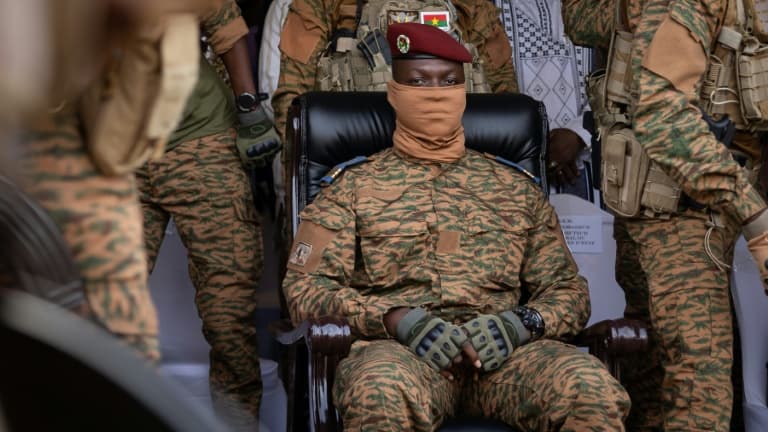
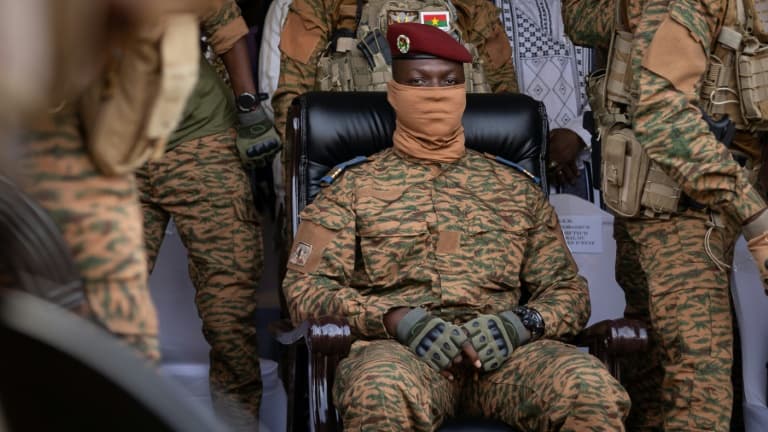
During a media appearance on national television, the leader of the junta, Captain Ibrahim Traoré, suggested that the people of Burkina Faso should essentially “forget” about democratic systems. This statement, highlighting a shift in Africa politics English readers are watching closely, was made during an interview on Thursday, April 2.
Traoré’s ascent to power occurred in late 2022 via a military takeover, which was the second such event the country experienced within an eight-month window. While an initial roadmap for Burkina Faso democracy was intended to wrap up with elections in July 2024, the current regime has altered that trajectory.
“Elections are not the priority”
A recently established charter has extended the military’s hold on power for five additional years starting from July 2024. This framework also grants Captain Traoré the legal right to run for office once this five-year period concludes. In a significant move for African society news, the military government dissolved the Independent National Electoral Commission (Céni) in late 2025 and officially banned political parties earlier this year.
“We aren’t even discussing elections at this stage… people need to set aside the concept of democracy; it is not for us,” Traoré stated during the broadcast on the state-run RTB. He had previously expressed similar sentiments, openly admitting that the nation is not currently a democracy.
The Captain’s interview lasted over two hours and included participation from international outlets like Sky News and the Italian public broadcaster Rai. Such access is rare, as the regime remains largely skeptical of Western influence and has previously restricted several international media organizations while removing foreign correspondents.
Security concerns and foreign relations
In this latest update on pan-African current affairs, Traoré also touched upon the situation of his predecessor, Paul Henri Sandaogo Damiba. Following his extradition from Togo, Damiba is now facing the justice system in Ouagadougou over allegations of corruption and involvement in coup attempts.
As reported by The Panafrican Press, Burkina Faso continues to grapple with a decade-long jihadist insurgency that has claimed thousands of lives. While some humanitarian organizations have accused the national army and its civilian auxiliaries (VDP) of human rights violations, Traoré dismissed these claims on Thursday, citing a lack of evidence.
Regarding international partnerships, the junta leader confirmed that Russia remains a key ally providing military hardware. However, he clarified that the combat operations are handled exclusively by Burkinabè forces, stating that no foreign troops are providing training on the ground. This remains a critical topic in African news today as the region navigates changing global alliances.