Human rights in DRC: two distinct realities under President Tshisekedi
- Society
Human rights in DRC: Kinshasa’s structural issues versus the crisis in the East
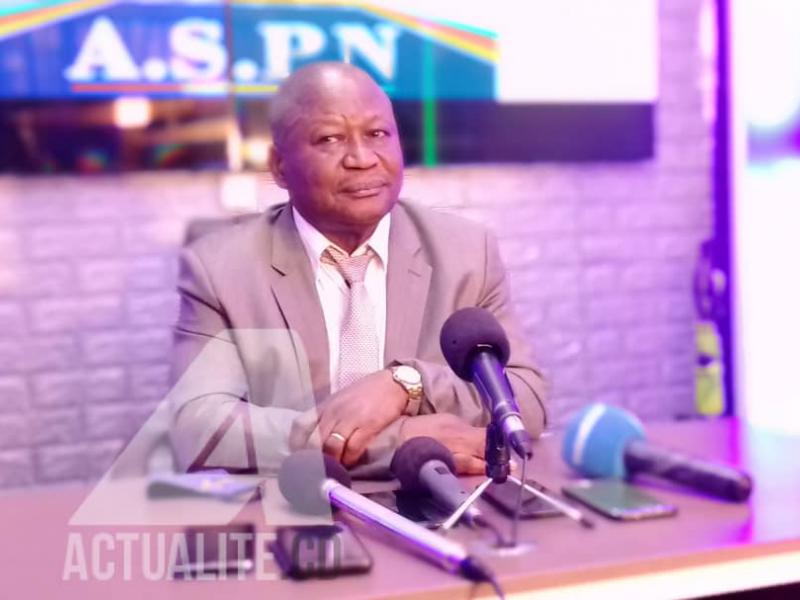
A nuanced analysis of human rights under President Félix Tshisekedi was presented by Paul Nsapu, Chair of the National Human Rights Commission (CNDH), during a live discussion hosted on Tuesday. While acknowledging legislative progress, he highlighted two sharply contrasting realities across the country.
Kinshasa: chronic violations tied to systemic failures
In provinces under the direct control of Kinshasa, Nsapu identified persistent violations affecting civil, political, economic, and social rights—including access to work, healthcare, and education. These issues, he emphasized, stem from decades of institutional neglect, where successive governments have failed to improve living conditions despite constitutional guarantees.
The CNDH Chair pointed to structural deficiencies—decades of underinvestment, weak governance, and systemic corruption—as the root causes. These violations, while concerning, reflect long-standing challenges rather than deliberate repression.
Eastern DRC: a humanitarian emergency
The situation in the East, particularly in North Kivu, South Kivu, and parts of Ituri, paints a far grimmer picture. Here, Nsapu described a daily erosion of fundamental rights: the right to life, security, and individual liberty. He directly linked these violations to foreign military presence and armed groups, including Rwandan forces and their allied militias, operating in areas beyond Kinshasa’s control.
The absence of state authority in these regions has allowed violations to escalate, with civilians bearing the brunt. Civilian massacres, forced displacements, and systematic abuses have become commonplace, compounded by the collusion of armed actors with regional and international networks.
Nsapu’s remarks underscore a critical divide: while Kinshasa grapples with governance failures, the East faces an acute humanitarian and security crisis, exacerbated by external interference and the state’s inability to assert authority.
The CNDH Chair called for urgent action, including strengthened regional cooperation and a comprehensive strategy to restore security and protect civilians in the East. Failure to address these issues, he warned, risks further destabilization and a deepening humanitarian catastrophe.