
In a global landscape where development aid dwindles and financial fragmentation tightens, Chad has achieved a remarkable feat. The country’s National Development Plan (PND) requires a total investment of $30 billion, with 46% of this amount—nearly $14 billion—expected to come from private and international investors. By November 2025, N’Djamena had already secured commitments worth $20.5 billion, including $16.4 billion from private and international investors, alongside 40 agreements and memoranda totaling an additional $4.1 billion. For a nation ranked 190th out of 193 on the 2025 Human Development Index, this level of financial mobilization stands out as a benchmark for resource-strapped economies.
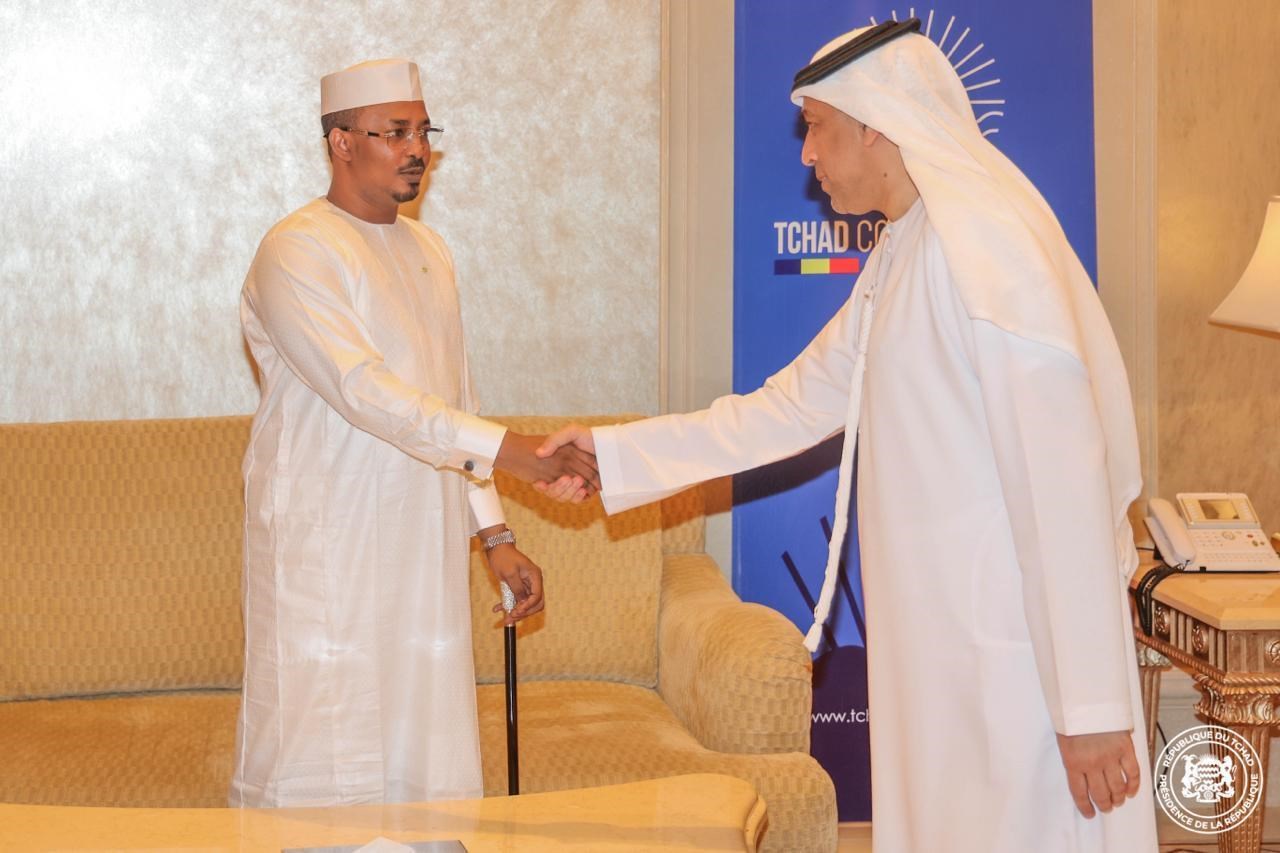
The cornerstone of this success lies in a meticulously crafted strategy to diversify funding sources—a rarity in the Central African Economic and Monetary Community (CEMAC) region. Reports highlight a robust diplomatic initiative that forged stronger ties with the United Arab Emirates and the Islamic Development Bank, unlocking an untapped avenue of Islamic financing in a region where such funding remains scarce. At the same time, Chad reinforced its traditional multilateral support from institutions like the IMF and World Bank while also nurturing South-South partnerships with Middle Eastern partners. This tripartite approach, blending Western, Islamic, and South-South financing, has created a unique funding architecture in Central Africa.
Chad’s fiscal credibility has been instrumental in attracting these investments. Despite the heavy burden of hosting over 1.5 million Sudanese refugees, the country maintained its budget deficit below the 3% threshold set by CEMAC in 2025. Public debt remains modest at 32% of GDP, one of the lowest ratios in the CEMAC zone. This fiscal discipline, paired with reforms to broaden the tax base and digitalize tax collection, has sent a powerful signal of reliability to investors—something even wealthier economies struggle to match.
For development partners, Islamic financial institutions, and private investors eyeing Central Africa, Chad’s experience offers a practical blueprint: massive private capital mobilization doesn’t always require a mature financial market or high per capita income. Moving forward, N’Djamena is prioritizing the attraction of equity investments and strengthening its regulatory framework to solidify this momentum. The $20.5 billion raised marks the beginning of an economic transformation that global institutions are watching closely.
Comments are closed, but trackbacks and pingbacks are open.