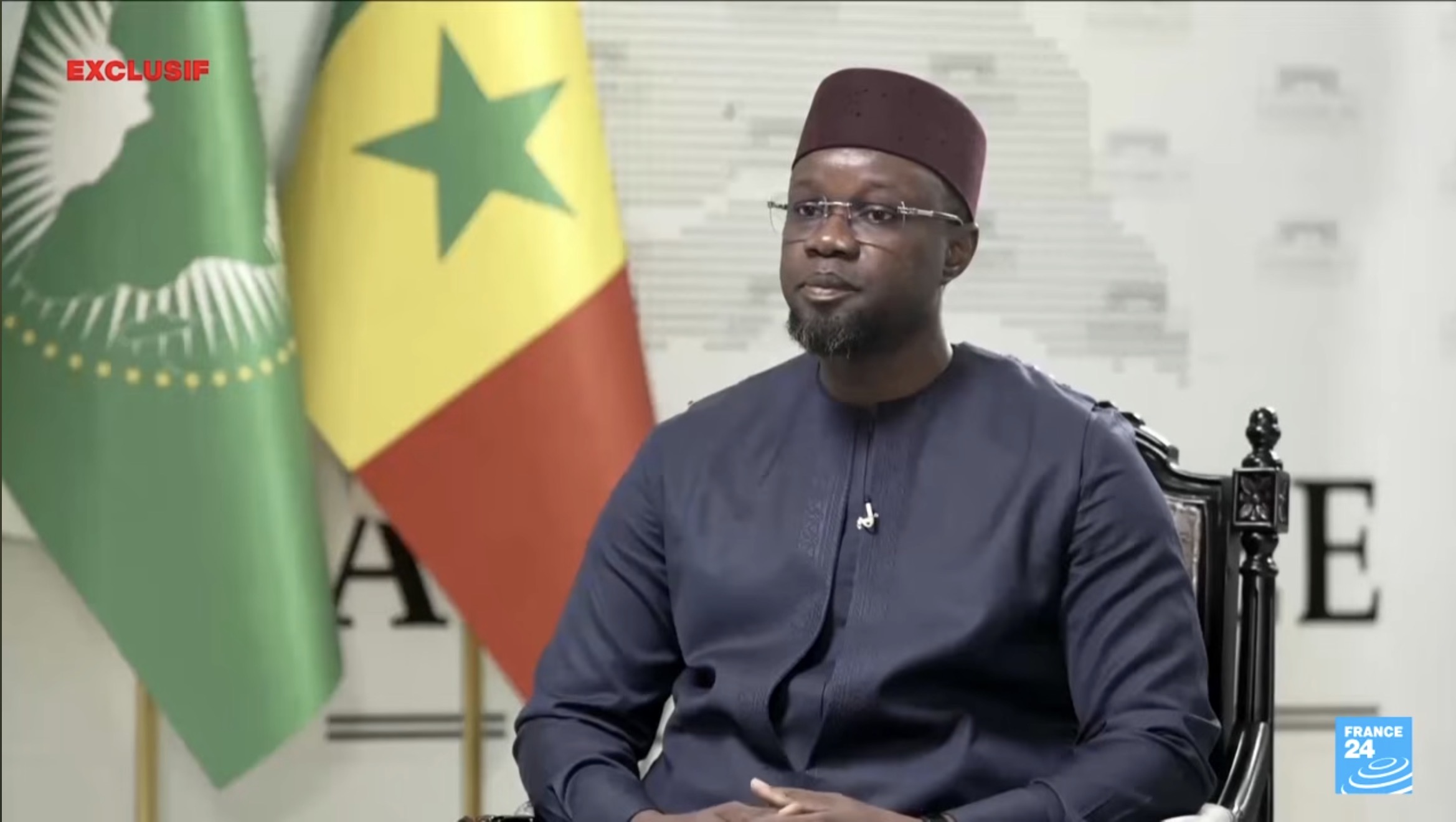
The President of Senegal’s National Assembly, Ousmane Sonko, has reignited discussions around the country’s public debt, suggesting that a portion of the liabilities inherited from the previous administration may qualify as ‘odious debt’.
Speaking as a guest on a prominent international news platform, the PASTEF leader emphasized the new government’s commitment to fiscal transparency for both citizens and international partners. This approach, he argued, is essential for establishing credible and sustainable economic governance in Senegal.
« We have chosen to build on a solid foundation, » Sonko stated, warning that concealing budgetary realities could further destabilize the national economy. While acknowledging that a sovereign state must honor its financial obligations, he highlighted the need to scrutinize debts contracted under dubious circumstances.
The concept of ‘odious debt’—often associated with debts incurred without benefit to the population or under contested conditions—remains a subject of legal debate in international forums. Sonko called for an international dialogue to clarify how such debts should be assessed and managed.
During his tenure as Prime Minister, Sonko admitted that institutional constraints prevented him from advancing this discussion fully. However, he noted a shared vision with President Bassirou Diomaye Faye on public finance management, reinforcing the government’s unified stance on debt sustainability.
The political leader firmly rejected the idea of abrupt debt restructuring, stressing that such a move could undermine Senegal’s financial credibility, particularly with key institutions like the IMF. Instead, he advocated for a balanced approach that combines fiscal discipline, economic sovereignty, and structural reforms to foster long-term development.
With global economic uncertainties and geopolitical tensions weighing heavily, Senegal faces pressing challenges in ensuring its public debt remains sustainable—a critical issue shaping the nation’s economic future.
Comments are closed, but trackbacks and pingbacks are open.