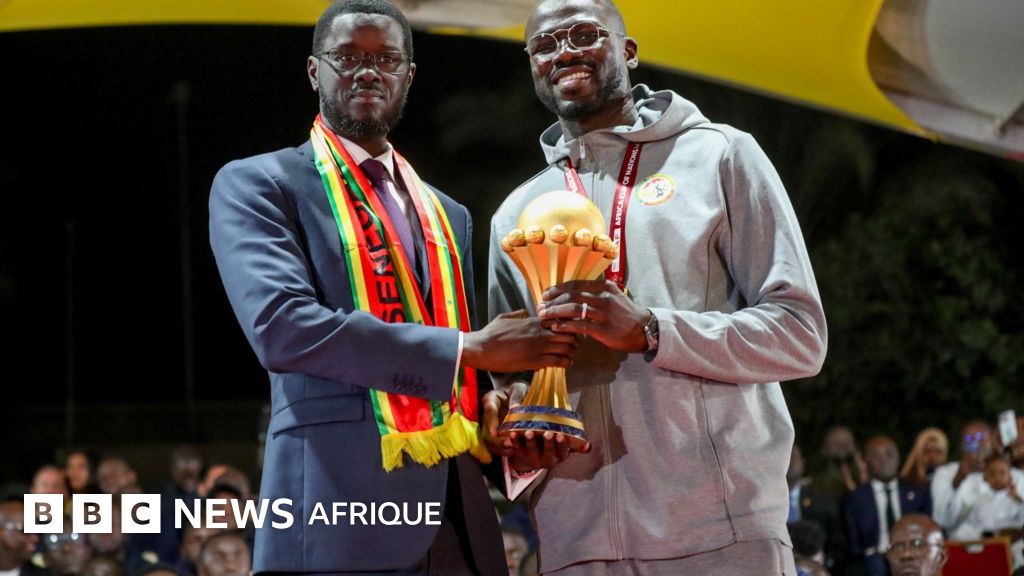
The Senegalese government has strongly rejected the Confederation of African Football’s (CAF) decision to overturn the outcome of the TotalEnergies CAF Africa Cup of Nations (CAN) Morocco 2025 final, declaring it an unprecedented and unjustified act that violates the core principles of sportsmanship.
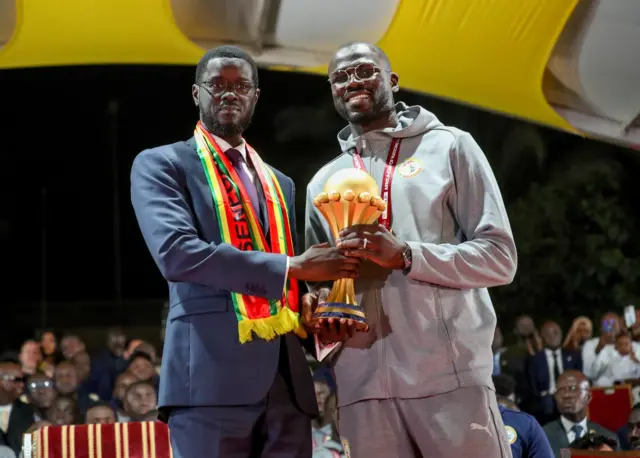
government calls for independent investigation into corruption allegations
In a scathing statement, Senegal’s government condemned the CAF’s decision as a brazen attempt to strip legitimacy from the Teranga Lions’ hard-earned victory. The administration has formally requested an international independent probe into alleged corruption within the CAF’s leadership structures.
The statement emphasized that the decision contradicts fundamental sporting ethics including fairness, transparency, and respect for on-field outcomes. While acknowledging ongoing efforts to secure the release of Senegalese supporters detained in Morocco following post-final incidents, the government vowed to persistently defend the national team’s rights and uphold the integrity of African football.
controversial sequence of events in the disputed final
The CAF’s decision came after a dramatic final that saw Senegal initially awarded a 1-0 victory over Morocco on January 18, 2025. However, the outcome was later annulled by the CAF Appeals Jury, which declared Morocco the official winner by default.
The match was marked by several contentious moments:
- Controversial penalty decision: With the score locked at 0-0 in the eighth minute of added time, referee Jean-Jacques Ndala awarded a penalty to Morocco after consulting VAR, which reviewed an alleged foul by Senegalese defender El Hadji Malick Diouf on Brahim Diaz.
- Protest and match abandonment: Senegal’s head coach Pape Thiaw, already frustrated by the earlier disallowance of Ismaïla Sarr’s legitimate goal, ordered his players off the field in protest. The team remained off the pitch for approximately 17 minutes before returning.
- Late winner and aftermath: Morocco failed to convert the penalty, with goalkeeper Édouard Mendy making a routine save. Senegal then scored in the 104th minute through Pape Gueye, securing what appeared to be a historic victory. However, the CAF later ruled Senegal had forfeited the match, awarding Morocco a 3-0 victory under Article 84 of the competition regulations.
The Moroccan Football Federation (FRMF) had filed an appeal arguing that Senegal’s actions violated Article 82, which stipulates that any team refusing to play or leaving the field without referee approval is declared loser and eliminated. The FRMF stated its appeal was not about sporting merit but strictly about rule enforcement.
Senegal’s legal fight and international reactions
The Senegalese Football Federation (FSF) has announced its intention to challenge the CAF’s decision at the Court of Arbitration for Sport (CAS), labeling the ruling unfair, unparalleled, and damaging to African football’s reputation.
International figures have weighed in, with FIFA President Gianni Infantino publicly condemning the unsportsmanlike conduct displayed during the final. Meanwhile, journalist Maher Mezahi noted that the emotional impact of the match cannot be erased, despite the administrative decision.
The controversy has extended beyond the pitch, with Senegal’s coach later acknowledging his error in ordering the walkout and publicly apologizing to the football community. Morocco’s decision to dismiss head coach Walid Regragui shortly after the final added another layer of complexity to the unfolding drama.
what’s next for african football governance?
This incident has reignited debates about transparency, accountability, and governance within African football’s governing bodies. Senegal’s call for an independent investigation reflects growing concerns over fairness in continental competitions and the need to restore confidence in the CAF’s decision-making processes.
The legal battle at CAS and ongoing diplomatic pressure may set a precedent for how future disputes in African football are resolved, potentially reshaping the sport’s administrative landscape across the continent.