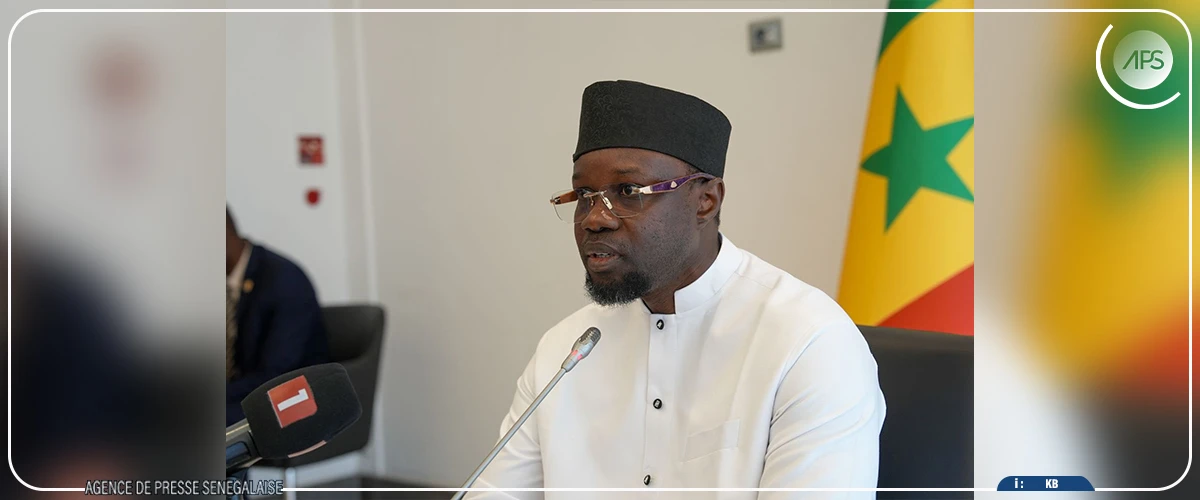
During a high-level interministerial meeting held in Dakar, Prime Minister Ousmane Sonko revealed a concerning diagnostic regarding the nation’s development works. A comprehensive technical assessment has identified 245 construction projects that are currently at a standstill across Sénégal, representing a massive public investment of 279 billion CFA francs.
A massive financial drain on the state
These stalled initiatives have effectively become “dormant assets,” locking up significant financial resources without providing any public benefit. The Prime Minister explained that the inventory includes a mix of projects: some are entirely completed but have never been put into service, while others remain unfinished in various stages of development.
This census follows a directive issued during the Council of Ministers on April 15, where various departments were tasked with auditing “blocked” projects within their respective jurisdictions. The findings highlight a significant gap between construction and actual utility.
Identifying the root causes of the paralysis
The primary factor hindering these 245 infrastructure projects is a shortage of financial resources. However, funding is not the only obstacle. Technical complications have also been cited as reasons for the suspension of several sites. Ousmane Sonko emphasized that it is “inconceivable” to initiate construction without a clear plan for how the infrastructure will be operated and maintained.
Specific technical failures, such as neglecting to plan for necessary connections to water and electricity grids, were noted as preventable hurdles that have contributed to these delays. The Prime Minister lamented the substantial losses caused by these administrative and technical bottlenecks.
New measures and zero tolerance
To rectify the situation, the Prime Minister announced the establishment of a specialized committee within the Primature. This body will be responsible for overseeing the completion of the inventory, which is currently deemed non-exhaustive, and facilitating the resumption of work.
Moving forward, a policy of “zero tolerance” will be implemented to address the negligence and lack of rigor that have plagued these projects. The focus will now shift toward anticipating technical needs and ensuring that every public building is ready for immediate use upon completion, putting an end to the cycle of delays and wasted public funds.