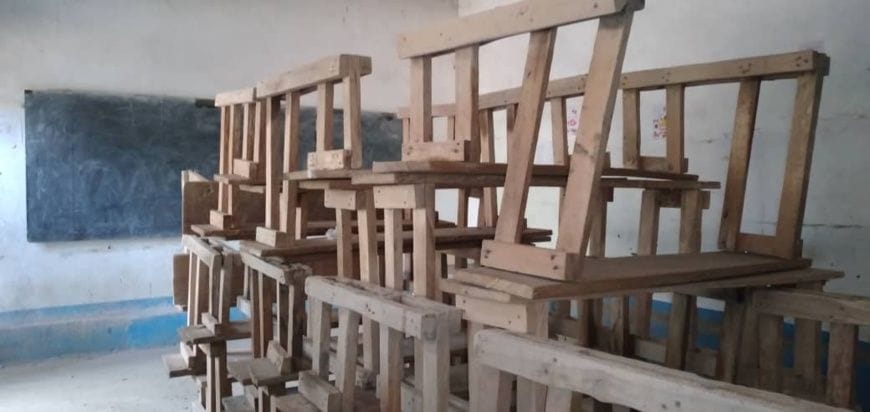
Schools in Chad are grappling with a growing crisis of student indiscipline that threatens the nation’s future leadership. Addressing this challenge requires a shared commitment between educators, families, and society to restore discipline and prepare the next generation for their roles in building a stronger nation.
Classroom disruptions escalate across Chad
Once rare, incidents such as verbal abuse toward teachers, physical altercations, unauthorized phone use in class, and classroom vandalism have become alarmingly common. These disruptions are not confined to urban centers like N’Djamena—they plague schools in rural areas as well. Teachers report that maintaining order, focus, and respect has become increasingly difficult, even with structured school regulations and disciplinary measures in place.
“Teaching has become more demanding than ever,” shares Michel Ngardiguina, a French teacher in a N’Djamena high school. “Students today challenge authority in ways we never experienced before. A simple correction can escalate into verbal abuse or aggressive behavior. Without support from parents, schools alone cannot address these issues.”
Families struggle to reinforce discipline at home
Many parents, burdened by financial hardships and overwhelming responsibilities, find it difficult to monitor their children’s behavior or reinforce educational values at home. Amina Moussa, a parent from N’Djamena’s Walia Barrière district, highlights the impact of this gap: “Economic struggles and time constraints leave many families unable to guide their children. Smartphones and social media are shaping their behavior without proper oversight. We must reclaim our role in their upbringing and work with teachers to secure their future.”
When discipline and respect are not instilled at home, students arrive at school with weakened behavioral foundations. This forces educators to address not just academic growth but also fundamental social and moral development—a task for which schools are not fully equipped.
Education demands a collective response
A stable learning environment depends on collaboration between schools and families. Strengthening discipline requires:
- Regular parent-teacher meetings to monitor student progress and behavior;
- Open dialogues with adolescents to address their challenges and concerns;
- Revitalized parent-teacher associations to bridge communication gaps;
- Public awareness campaigns on the importance of discipline and respect in education.
Chad’s progress hinges on the quality of its education system. Restoring authority in schools and fostering parental responsibility are not just educational priorities—they are national imperatives. The time for action is now, before the consequences of unchecked indiscipline undermine the nation’s development.