New dynamics in Sahel relations: Washington and Brussels recalibrate their approaches
The geopolitical landscape of the Sahel is evolving rapidly, prompting Western powers to rethink their engagement strategies. Recent diplomatic moves by the United States and the European Union signal a cautious shift in relations with the region’s military-led governments. This recalibration comes as traditional alliances face unprecedented challenges.
Washington’s strategic pivot in the Sahel
On February 25, the U.S. State Department finalized a five-year bilateral agreement with Burkina Faso, earmarking $147 million in development aid. The funding targets critical health initiatives, including HIV/AIDS prevention and treatment programs. This financial commitment follows earlier diplomatic overtures, including a February conversation between U.S. officials and Niger’s transitional Prime Minister, Ali Mahamane Zeine, where Washington reaffirmed its respect for Niamey’s sovereignty.
These developments suggest a nuanced approach by the United States, prioritizing targeted cooperation over broad conditional partnerships. Experts note that Washington recognizes the strategic importance of maintaining some level of engagement, despite ideological differences with regional governments.
EU’s pragmatic shift: from regional to bilateral engagement
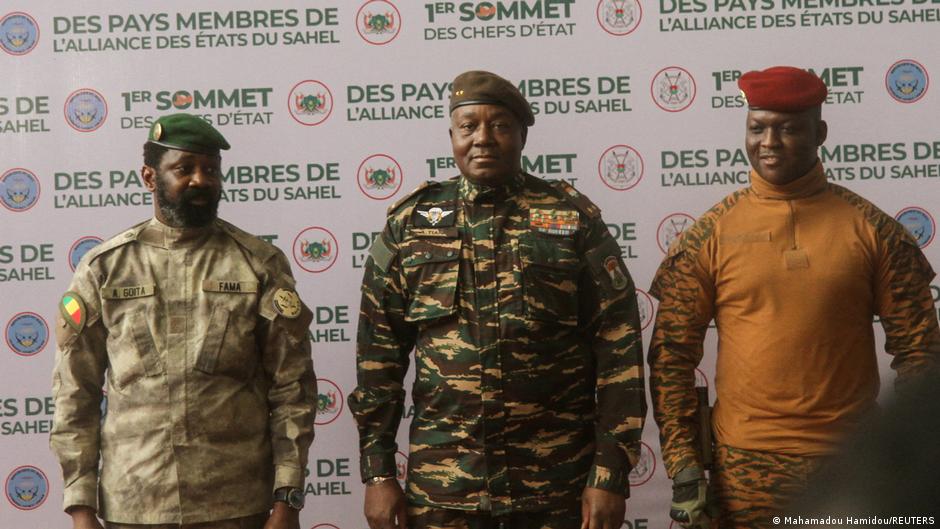
The European Union has similarly adjusted its strategy, moving away from collective regional initiatives toward individual country agreements. The bloc’s Special Representative for the Sahel, João Cravinho, recently visited Bamako, despite strained relations with Malian authorities. This diplomatic engagement raises questions about potential rapprochement between Brussels and the Alliance of Sahel States (AES).
Francis Kpatindé, West Africa specialist and Sciences Po Paris lecturer, offers insights into these evolving dynamics: “We shouldn’t speak of a thaw yet, but there are subtle signs of potential openings. The relationships between Western powers and Sahelian states remain tense, though limited communication channels persist.”
Economic interests driving renewed engagement
Analysts point to compelling economic factors behind Western powers’ recalibrated approaches. The Sahel’s mineral wealth—uranium in Niger, gold in Burkina Faso and Mali—presents significant strategic value. Kpatindé notes: “Western countries realize that abandoning these nations entirely would be irresponsible, given the potential spillover effects of regional instability. However, economic interests, particularly in extractive industries, also play a crucial role in their calculations.”
The European Union’s evolving stance reflects similar pragmatic considerations. Germany, for instance, maintains strong bilateral relations with several Sahelian countries, providing alternative diplomatic channels that may benefit France’s interests in the region.
Security cooperation: balancing sovereignty and stability
Western powers continue to offer security assistance, including counterterrorism training, despite growing demands for sovereignty from regional governments. Kpatindé observes: “These countries aspire to greater independence, but Western nations recognize that complete disengagement would be perilous. The challenge lies in finding a balance between respecting their sovereignty and maintaining essential cooperation.”
The shifting dynamics in the Sahel represent a complex interplay of diplomatic pragmatism, economic interests, and security considerations. As traditional alliances evolve, Western powers are navigating uncharted territory in their engagement with the region’s military-led governments.