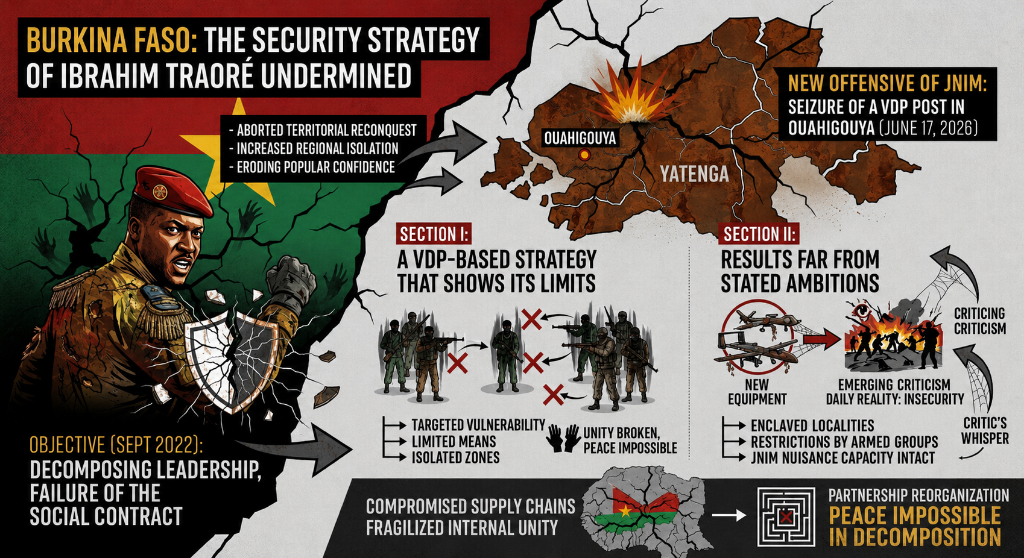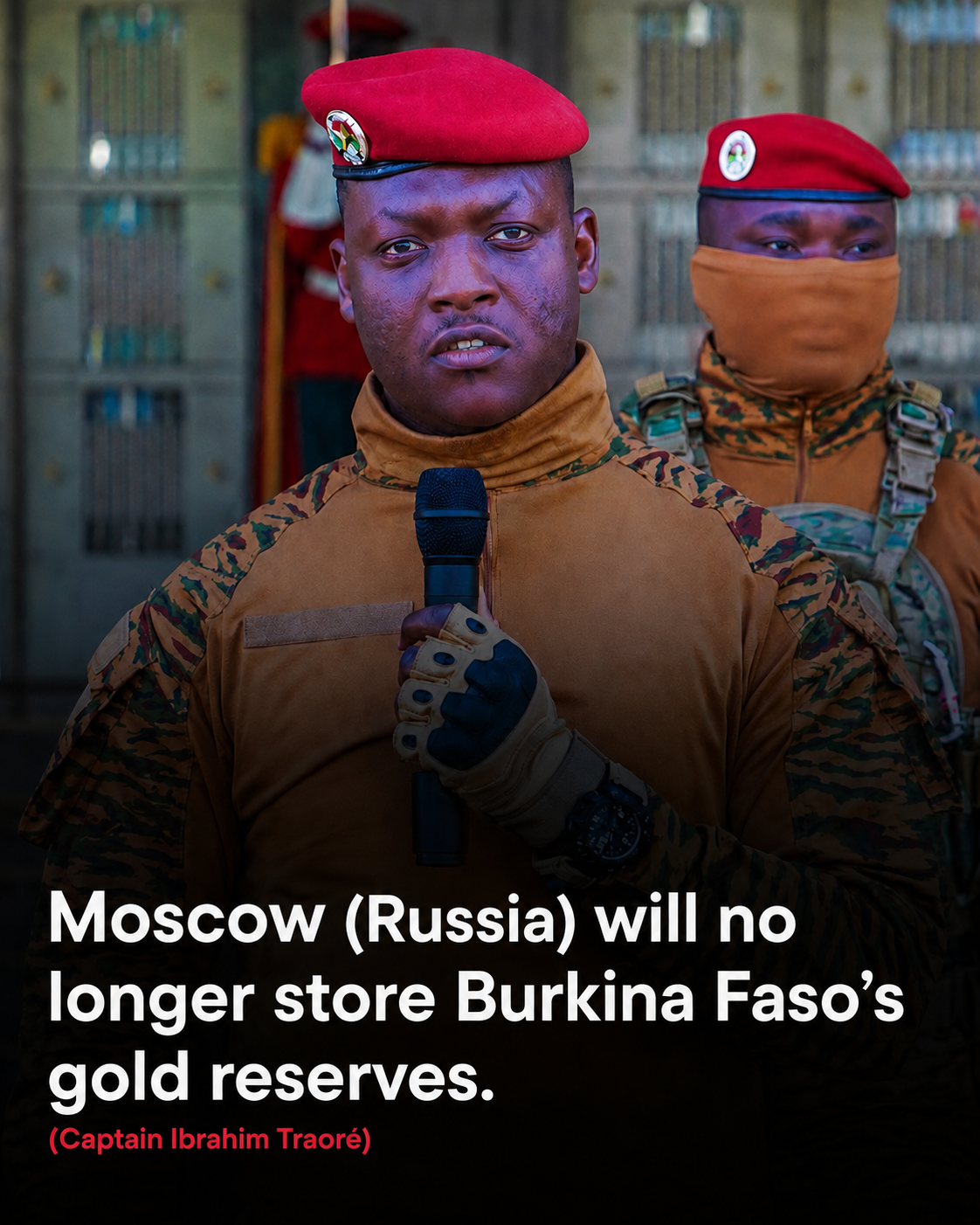
Under the guise of breaking free from colonial legacies and diversifying partnerships, Burkina Faso’s transitional government has adopted a strategy that raises a pressing concern: is the country truly reclaiming its sovereignty, or merely exchanging one overseer for another? Since Captain Ibrahim Traoré took the helm of the transition, OuagadougouContinue Reading
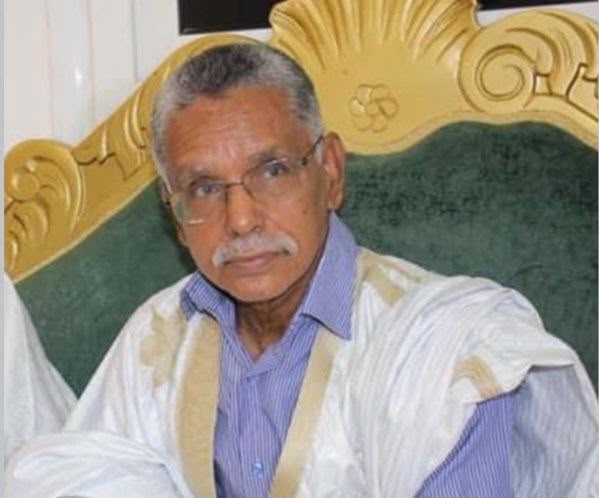
Recent controversies surrounding fuel subsidies have cast a spotlight on Mauritania’s economic policy, sparking debates about fiscal responsibility and social welfare. While these discussions have brought long-overdue attention to the nation’s economic strategies, they also risk oversimplifying the complex challenges at play. As an observer closely following these developments, IContinue Reading

In a strategic move to bolster its agricultural sector and enhance food security, Benin has secured a significant financial commitment from the Islamic Development Bank. The newly approved funding of 12.57 billion CFA francs will be directed toward modernizing the country’s agricultural infrastructure, with a primary focus on restoring soilContinue Reading

Burkina Faso’s High Council for Communication (CSC) recently imposed a 50 million FCFA penalty on Canal+. The sanction stems from the satellite broadcaster’s decision to cut off access to Burkinabè public channels for subscribers whose contracts had lapsed. While framed as a crucial step to safeguard the nation’s informational sovereignty,Continue Reading

Conceived by Burkina Faso’s transitional authorities as a cornerstone of national rebuilding and reclaimed sovereignty, the « Faso Mêbo » agency, initiated under Captain Ibrahim Traoré, currently faces significant scrutiny. While official pronouncements highlight patriotism, collective endeavor, and tangible projects across various cities, a segment of observers points to anContinue Reading

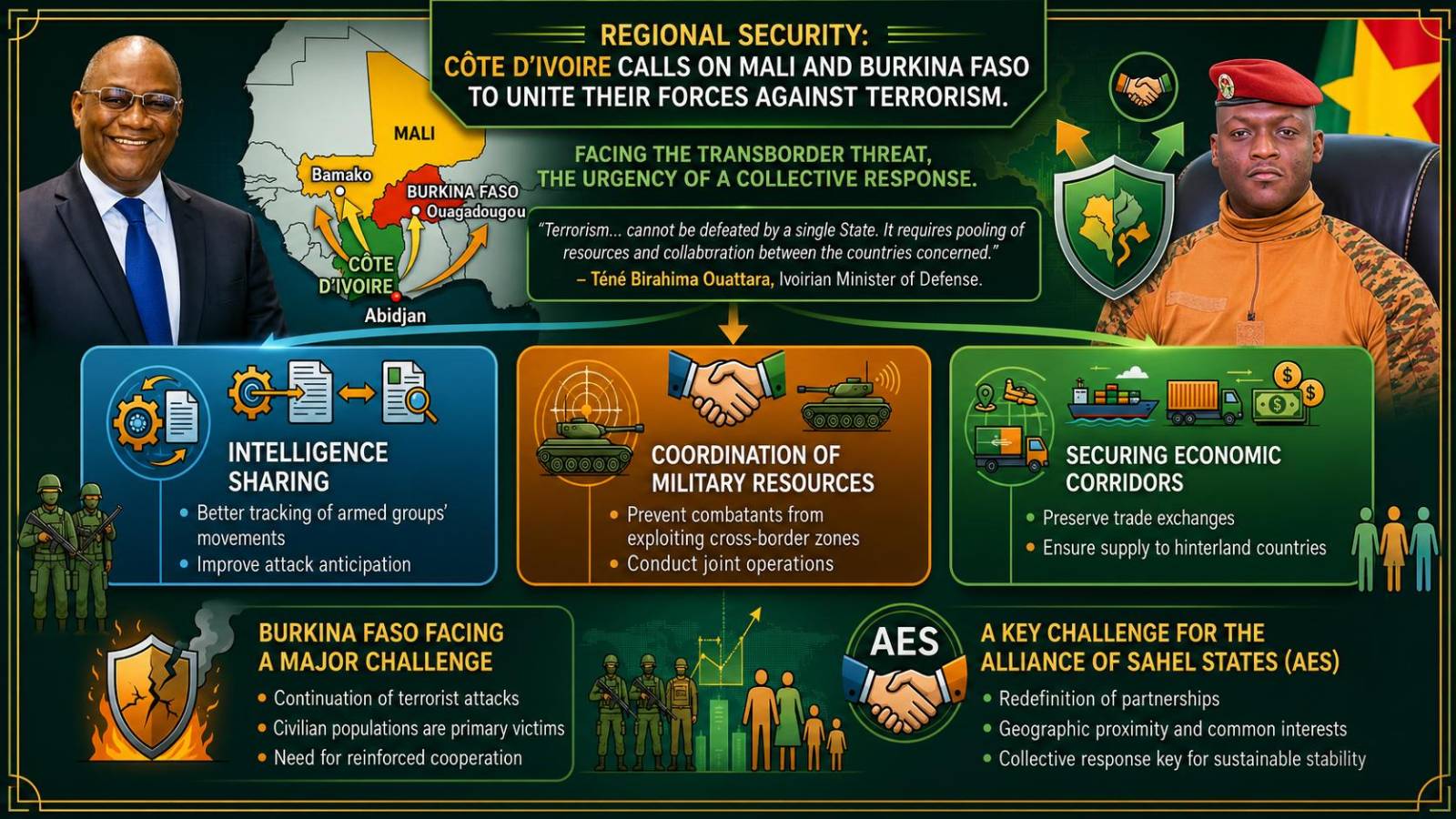
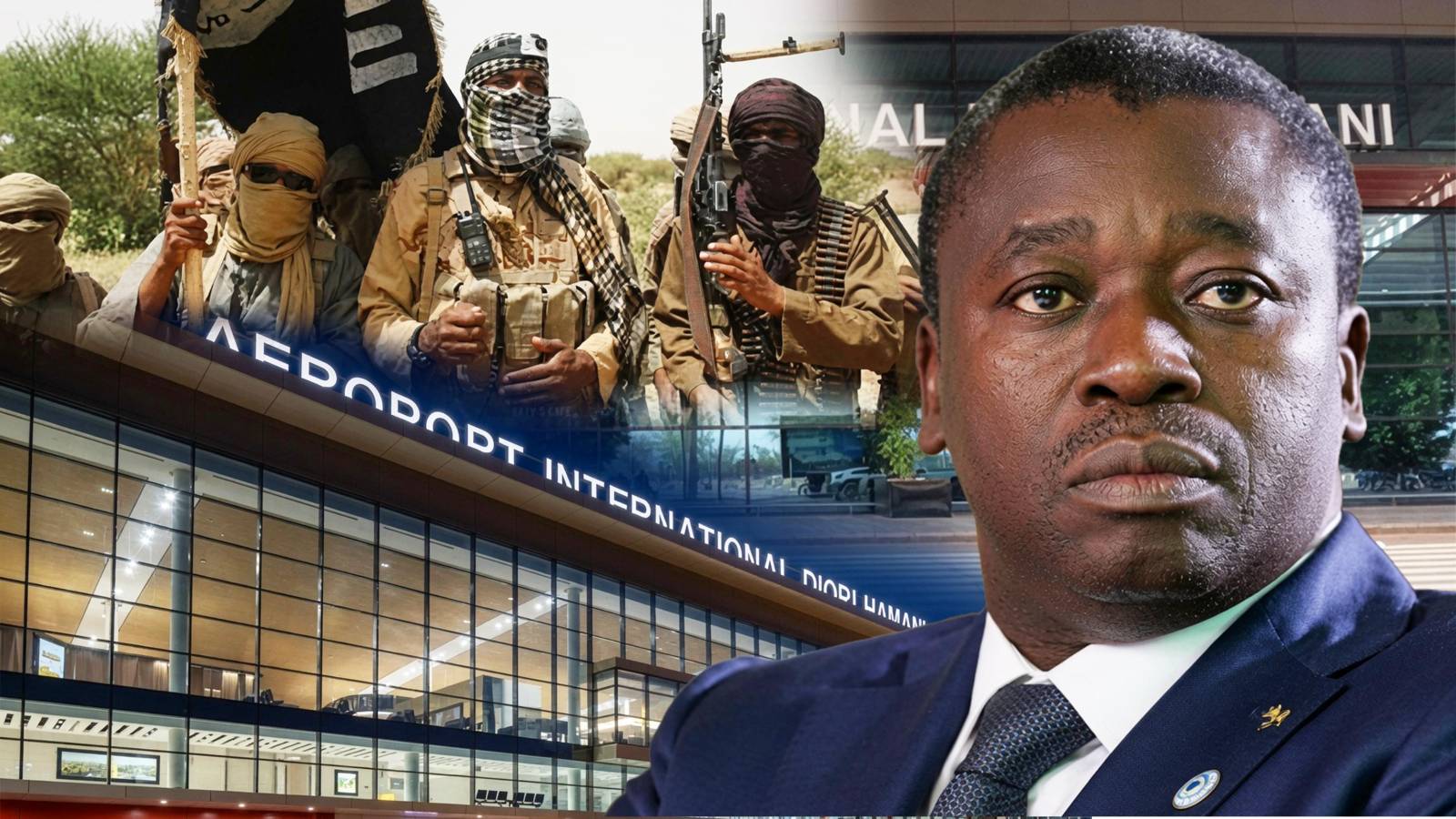
The intensifying wave of terrorist assaults across the Sahel region has prompted Abidjan to reiterate the critical need for unified action. In light of the urgent security situation, Captain Ibrahim Traoré must prioritize practical engagement and collaboration with the Ivorian state to contain a menace that transcends national boundaries. InContinue Reading

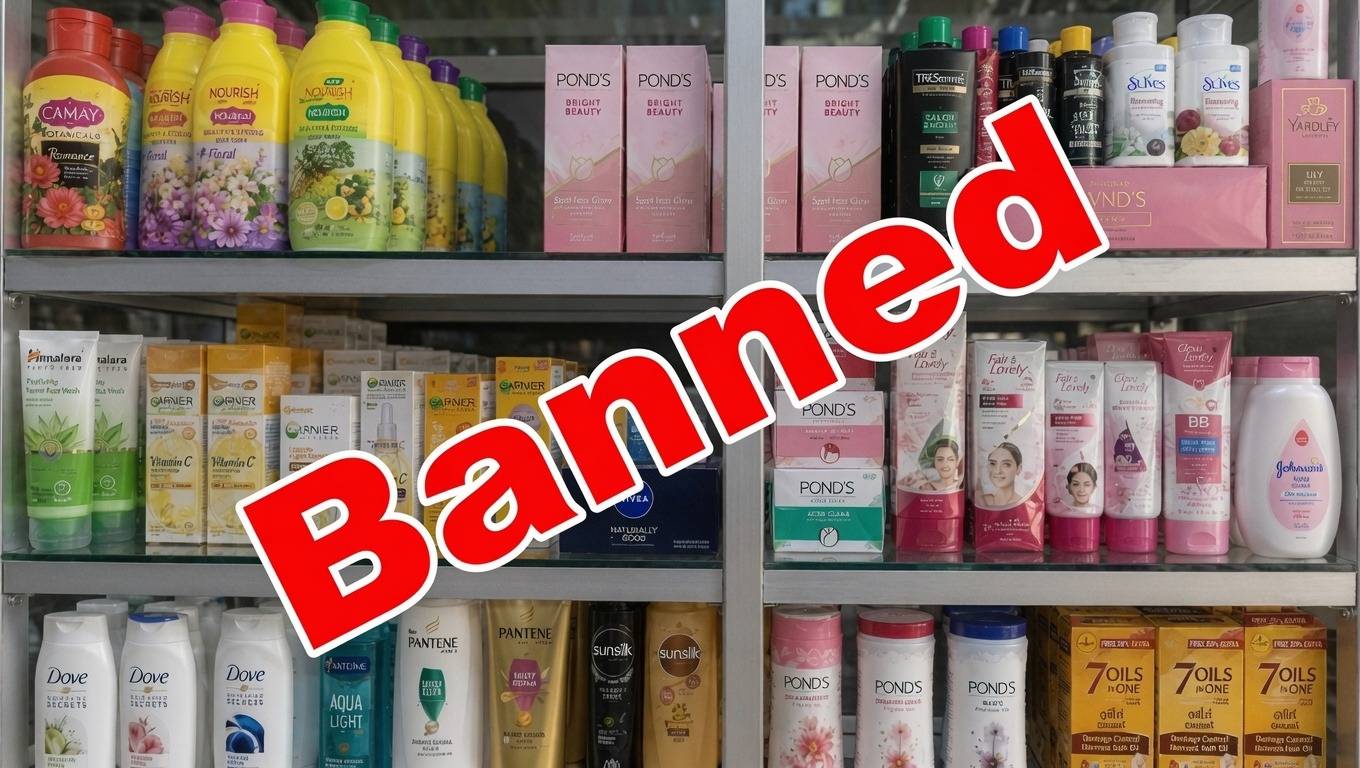
The Béninese administration has initiated a direct offensive against the market for depigmenting products. Effective since May 5th, numerous creams, lotions, and other substances designed for skin lightening are officially prohibited for sale across the entire national territory. This robust measure addresses a widespread practice, the health ramifications of whichContinue Reading

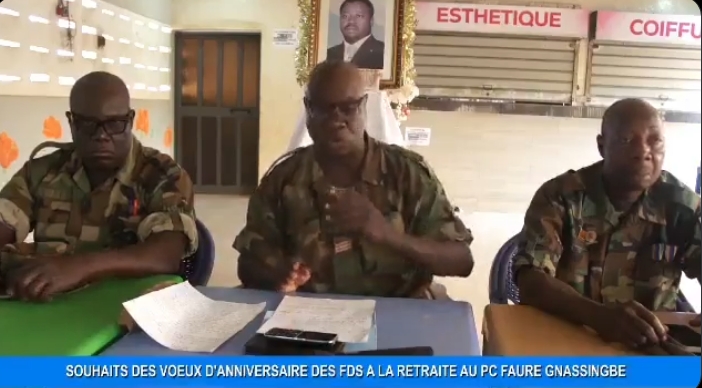
In an increasingly contentious political climate, recent pronouncements attributed to groups identified as loyalist militias or paramilitary elements have provoked significant apprehension among Togo’s civil society and opposition. Recordings and online interventions feature individuals declaring an unwavering commitment to “defend the power of the Gnassingbé family until death,” even inContinue Reading

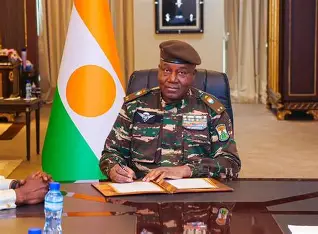
Niger has implemented a significant legislative overhaul within its anti-corruption framework. The recently enacted Penal Code introduces an unprecedented intensification of sanctions targeting economic crimes and the misappropriation of public funds. Moving forward, civil servants, public officials, and intermediaries found complicit in financial malfeasance face exceptionally stringent penalties, which mayContinue Reading

A significant policy adjustment in West Africa’s agricultural landscape has been announced. For the upcoming 2026-2027 cotton season, the Beninese government has committed to providing an exceptional bonus of 10 FCFA per kilogram to cotton growers. This incentive, however, is contingent upon a critical condition: the national cotton output mustContinue Reading